
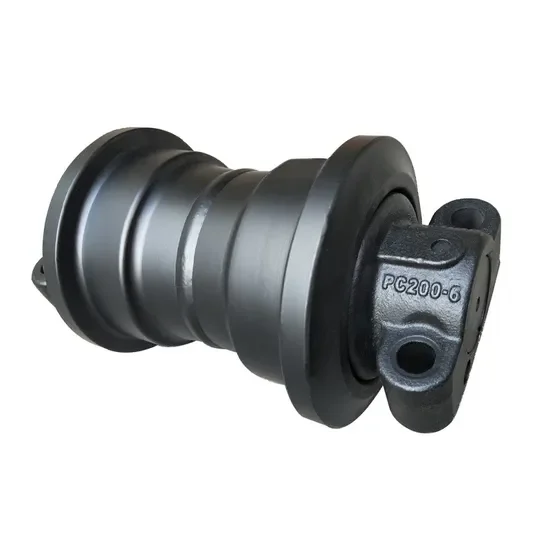
Excavator Undercarriage Parts: Track & Carrier Rollers
20Y-30-00016 Bottom Track Roller for Komatsu PC200-7
Replacement lower track roller for the PC200-7 undercarriage, with roller-body, shaft and seal-group assembly.
PC200-7 · bottom roller
PRODUCT CATEGORY
Identify lower and upper rollers, track shoes and sprockets by position, dimensions and machine generation.
| Product | Machine | Position | Role |
|---|---|---|---|
| 20Y-30-00016 | PC200-7 | Below track frame | Supports the lower chain run |
| 22U-30-00021 | PC200-7 | Above track frame | Supports the returning upper chain |
4 products
Replacement lower track roller for the PC200-7 undercarriage, with roller-body, shaft and seal-group assembly.
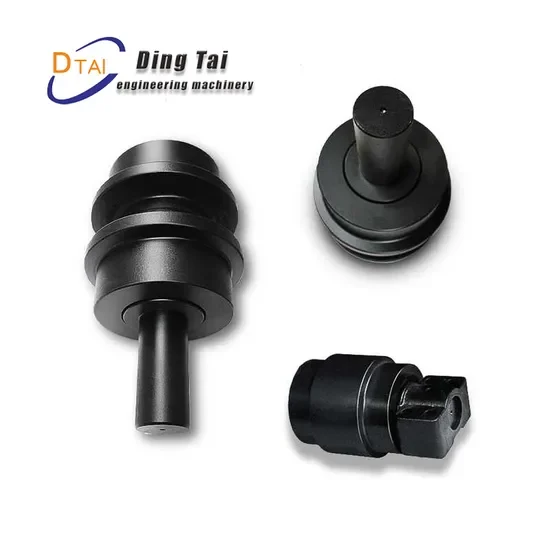
Dingtai KM3542 carrier roller for the upper track run, associated with 22U-30-00020 / 22U-30-00021.
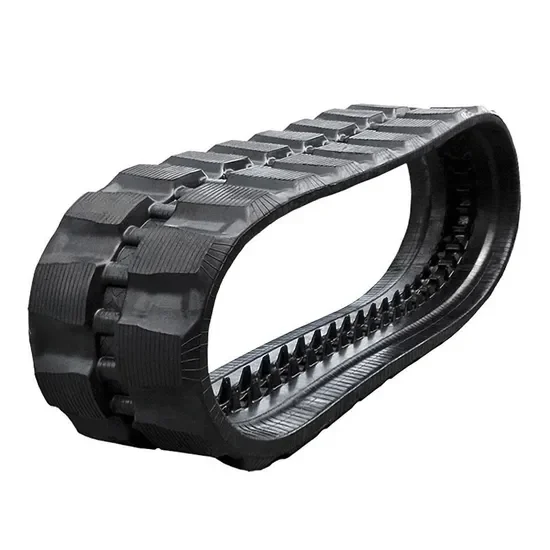
320 × 86 × 52 C-lug replacement track for Bobcat T650. One track per order unit.
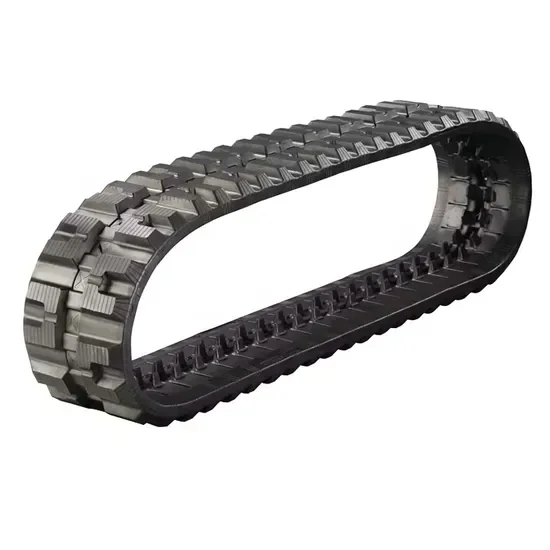
450 × 86 × 52 C-lug replacement track for Bobcat T650. One track per order unit.
Send the part number or describe the equipment you need.
Send a sourcing requestTrack rollers, carrier rollers, idlers and sprockets have separate positions and functions. Start with the position, machine generation and old part number. For a multi-roller repair, state the quantity on each track side.
Rubber-track orders use width × pitch × link count. A Bobcat T650 example is 320 × 86 × 52; alternate track and suspension arrangements can use another pitch and count. Read all three marks before choosing a replacement.
A bottom roller carries the lower track run; a carrier roller supports the upper return. A rubber belt is a complete continuous track purchase. Use each position and its machine generation to select the item.
| Task | Machine | Product | Count |
|---|---|---|---|
| Bottom roller | PC200-7 | 20Y-30-00016 | Per-side lower roller count |
| Carrier roller | PC200-7 | 22U-30-00021 | Per-side upper roller count |
| Narrow C-lug belt | T650 | 320×86×52 C-lug | One belt or two for a pair |
| Wide C-lug belt | T650 | 450×86×52 C-lug | One belt or two for a pair |
Excavator undercarriage parts work as one running system. The sprocket on the final drive pulls the track chain, the chain runs under the bottom rollers and back over the carrier rollers, and the front idler turns it round and keeps it in tension through the adjuster. Wear on one part moves load onto the others, so it helps to name each position correctly before ordering.
| Part | Position | Job | Typical wear point |
|---|---|---|---|
| Track chain (links, pins, bushes) | Full loop | Carries the shoes and transmits drive | Internal pin and bush wear, link rail height |
| Track shoes | Bolted to the chain | Ground contact and traction | Grouser height, cracked plates, loose bolts |
| Bottom track rollers | Under the track frame | Carry machine weight on the lower chain run | Tread diameter, flange wear, seal leaks |
| Carrier rollers | On top of the track frame | Support the returning upper run | Tread wear, seized bearings, seal leaks |
| Front idler | Front of the frame | Guides the chain and sets tension | Tread and centre flange wear |
| Track adjuster and recoil spring | Behind the idler | Holds tension and absorbs shock | Grease leaks, cylinder seal failure |
| Sprocket | On the final drive | Drives the chain bushes | Tooth profile hooking and thinning |
On a mini excavator with rubber tracks the chain and shoes are replaced by a continuous belt, but the rollers, idler, adjuster and sprocket remain. Belt sizing is covered on the mini excavator rubber track page.
Bottom rollers, also called track or lower rollers, carry the full machine weight and the digging loads. Along each frame they are usually a mix of single-flange and double-flange rollers, so the chain is held between flanges at several points without the rollers fighting each other. Carrier rollers, also called top or upper rollers, only support the weight of the returning chain, so they are smaller and fewer in number.
Most excavator track rollers are sealed, oil-filled units with floating metal face seals on each side of the shaft. The seals keep oil in and grit out. Once a seal weeps, abrasive dirt enters, the bushings wear and the roller eventually stops turning. A roller that has stopped turning wears a flat on its tread and also wears the chain links that slide across it.
The two Komatsu PC200-7 listings illustrate the split: the 20Y-30-00016 bottom roller sits under the frame, and the 22U-30-00021 carrier roller sits above it. They are not interchangeable.
A steel track chain wears in two ways. Externally, the bushes wear where the sprocket teeth engage them and the link rails wear where the rollers run. Internally, each pin wears against its bush, so every joint gets a little longer. Over many joints this adds up to measurable chain stretch. The adjuster takes up the slack until it runs out of travel, and by then the chain no longer matches the sprocket pitch.
Wear handbooks measure chain pitch over a set number of links, often four, with the chain pulled tight, and compare the result with the new dimension. Link rail height, bush outside diameter and grouser height are measured with a depth gauge or callipers at the same service. Record the readings each time so the wear rate can be seen rather than guessed.
Shoes are chosen by width and grouser type. Wider shoes lower ground pressure on soft ground but add leverage on the chain and rollers, and wear faster on rock. Triple-grouser shoes are the common choice on excavators because they turn more easily than single-grouser dozer shoes.
Work on undercarriage parts only with the machine parked, the attachment lowered and the travel controls locked out. Track adjusters hold grease at high pressure: release tension only through the relief valve as the manual describes.
Chain, sprocket and idler wear together. Fitting a new chain on a sprocket with hooked teeth, or a worn chain on a new sprocket, shortens the life of the new part. Rollers can be changed individually when one leaks or seizes, but if several on the same side are near their limit it is usually cheaper to change them in one shutdown than to lift the machine twice.
Before ordering, list each part by position and quantity per side. A typical list reads: bottom rollers, number per side and flange type; carrier rollers per side; idler assemblies; sprocket or sprocket segments; adjuster; chain assemblies with shoe width. The sprocket bolts to the travel unit, so check the final drive for leaks and bearing play at the same time.
For Komatsu machines, the PC200 parts by generation page groups rollers with the other repair items for the same model series.
A bottom roller sits under the track frame and carries the weight of the machine on the lower run of the chain or belt. A carrier roller sits on top of the frame and only supports the returning upper run. Bottom rollers are larger, more numerous and come in single and double flange versions. The two are separate part numbers and do not swap.
Replace a roller that leaks oil from its seals, has stopped turning, has a flat on its tread, has worn flanges that let the chain wander, or has measurable shaft play. Tread diameter can be measured against the wear limit in the manufacturer’s handbook. A seized roller should be changed promptly because it also wears the chain.
One roller can be changed on its own when it has failed early. When several rollers on a side are close to their limit, changing them together saves a second lift and keeps the chain running on even tread heights. Always change like for like in each position, matching flange type.
The layout is the same idea, with bottom rollers, carrier rollers, idler, adjuster and sprocket, but a mini excavator usually runs a rubber belt instead of a steel chain. Its rollers are sized for that belt and that machine weight. Order by the mini excavator’s own model, serial and part numbers.
The usual causes are a leaking grease valve, a worn seal inside the adjuster cylinder, or a chain or belt that has stretched to the end of the adjuster travel. Clean the valve and re-grease, then check whether it holds overnight. If tension drops again, the adjuster seals need attention.
Send your machine model, required quantity and destination. Add installation items, wear parts and service quantities to the same inquiry.