
Diesel Engine Water Pumps & Turbochargers
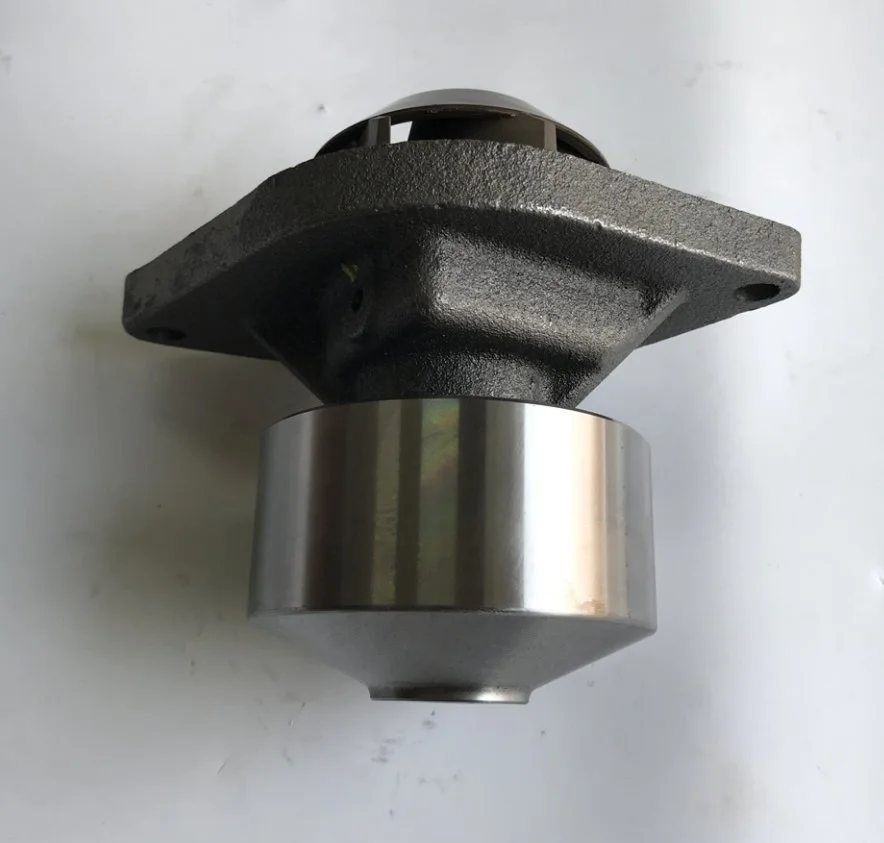
Gloria 3802358 Water Pump for Cummins 4BT / 6BT Engines
GR replacement coolant pump with iron housing and pulley drive for B-series 4- and 6-cylinder engines.
3802358 · water pump
PRODUCT CATEGORY
3802358 B-series water pump and 3536977 HX35W turbocharger, with engine identity and connection details.
| Product | Component | Engine entry | Key installation views |
|---|---|---|---|
| 3802358 | Coolant pump | 4B / 4BT / 4BTA / 6B / 6BT | Mounting face and drive |
| 3536977 / HX35W | Turbocharger | 6BT · HX35W | Housings, actuator and oil connections |
2 products
GR replacement coolant pump with iron housing and pulley drive for B-series 4- and 6-cylinder engines.
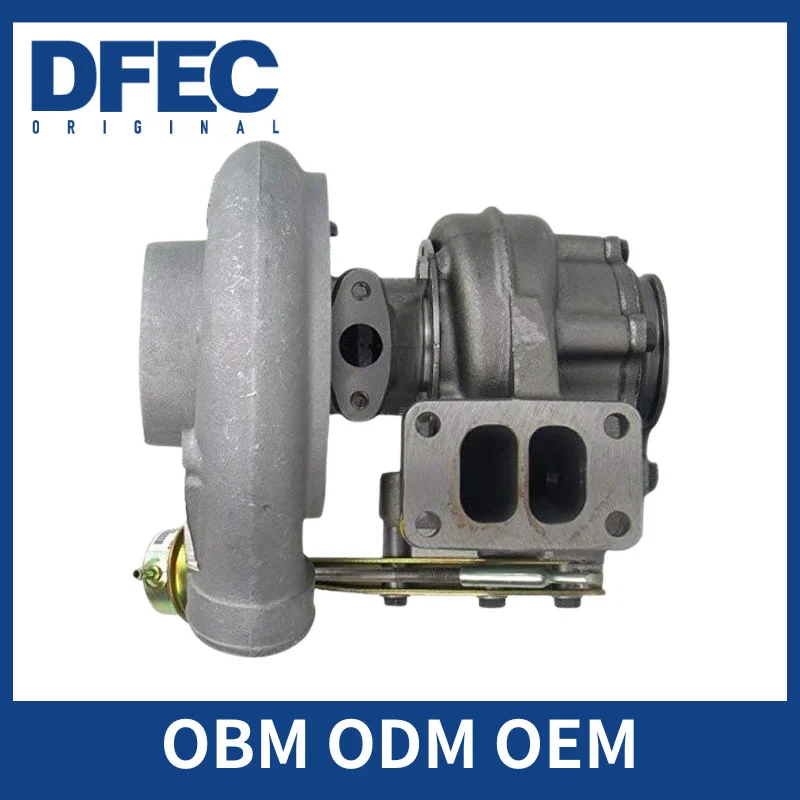
Wastegated replacement assembly with divided turbine inlet, compressor housing, centre housing and actuator.
Send the part number or describe the equipment you need.
Send a sourcing requestA machine model can contain different engine configurations. The engine plate and old component number connect the purchase to the fitted engine. Water pumps need mounting and drive details; turbochargers need housing and actuator orientation.
List gaskets, oil-line parts and mounting hardware with the pump or turbocharger order. These small items can determine whether a repair purchase contains everything the workshop needs.
Excavator engine parts are easier to source when they are grouped by the system they belong to. Each system has its own failure pattern and its own set of parts that are usually changed together. The two components listed here, a coolant pump and a turbocharger, sit in the cooling and air systems; the related category pages cover the rest.
| System | Main parts | Usually ordered with |
|---|---|---|
| Cooling | Water pump, thermostat, radiator, oil cooler, fan and belt | Pump gasket or O-ring, thermostat seal, hoses, coolant |
| Air and boost | Turbocharger, intercooler, intake and charge-air hoses | Turbo gaskets, oil feed and drain seals, clamps |
| Fuel | Lift pump, injection pump, injectors, filters | Copper washers, return-line seals, filters |
| Lubrication | Oil pump, oil cooler core, filters | Gaskets, oil and filters |
| Starting and charging | Starter motor, alternator, sensors | Belts, terminals, connectors |
See cooling system parts for radiators and oil coolers, turbochargers by assembly and cartridge for boost parts beyond the HX35W listing, and fuel pumps and injectors for the injection side.
The engine has its own identity, separate from the machine. Two excavators of the same model can leave the factory with different engine variants, and an engine may have been replaced during the machine’s life. The dataplate, usually on the valve cover, the block or the gear housing, is the reference.
Photograph the plate before cleaning it, as stamped plates can be damaged by pressure washing. If the plate is missing, the part number cast or stamped on the old component and photographs of its mountings are the next best evidence.
| Symptom | First check | Component often involved |
|---|---|---|
| Coolant drip from a small hole on the pump body | Weep hole below the pump shaft | Water pump shaft seal |
| Rumble or squeal from the front of the engine | Pump pulley play with the belt removed | Water pump bearing |
| Rising coolant temperature under load | Coolant level, radiator fins, belt, thermostat | Water pump impeller, radiator or thermostat |
| Blue or white smoke and oil in the intake pipe | Turbo shaft play, oil drain line, crankcase pressure | Turbo seals, or an engine-side cause |
| Siren or whistle from the turbo | Intake and charge-air leaks, wheel contact | Turbo bearings or a damaged wheel |
| Black smoke and low power | Boost leaks, air filter restriction, wastegate actuator | Turbo actuator, hoses or the fuel system |
These are starting points, not a diagnosis. Overheating and smoke have several possible causes, and the engine service manual sets the test procedure. Replacing a pump or turbo without confirming the fault is an expensive way to find out it was the thermostat or a split hose.
Most turbocharger failures start outside the turbo. Oil starvation from a blocked or kinked feed line, contaminated oil, a restricted drain that lets oil back up into the centre housing, dust entering through a damaged air filter or loose intake joint, and shutting the engine down hot under load all destroy bearings. A new unit fitted to the same conditions fails the same way.
Water pump failures follow a similar pattern. Wrong or mixed coolant, low inhibitor levels, scale and debris in the system, air pockets that cause cavitation, and incorrect belt tension all shorten seal and bearing life. Flush the system if the old coolant is dirty, fill with the coolant type and concentration the engine manual specifies, and bleed air as the manual describes.
For both parts, change the engine oil and filter or the coolant as part of the repair where the old fluid is contaminated. Keep the failed part until the repair is proven; its condition often shows the cause.
List the component number from the old part, the engine model, serial number and build code from the dataplate, and the machine model and serial. Add photographs of the mounting face, drive or pulley, and for a turbocharger the compressor outlet, turbine inlet and actuator. The current listings show what to expect: the 3802358 coolant pump is identified by its B-series engine entry and mounting face, and the 3536977 HX35W turbocharger by its housings, actuator and oil connections.
One machine model can be built with more than one engine variant, and engines are sometimes replaced during service. Pumps and turbochargers can change between engine builds even when the engine model name is the same. The engine serial number and build code from the dataplate, plus the old part number, connect the order to the engine actually fitted.
CPL stands for control parts list. It is printed on the Cummins engine dataplate next to the engine serial number and defines the engine build, including which turbocharger, fuel system and other major parts were fitted at the factory. Quoting the CPL with the serial number is the most reliable way to confirm a Cummins part.
Some pumps can be rebuilt with a seal and bearing kit, but many replacement pumps are supplied as complete assemblies and a rebuild needs presses and fixtures. For field repairs, a complete pump is usually the practical choice. Whichever route is taken, fix the coolant quality or belt tension problem that caused the leak.
No. A small film of oil can come from the crankcase breather on engines that vent into the intake. High crankcase pressure from worn rings, or a restricted turbo oil drain, can also push oil past healthy seals. Check shaft play, the drain line and crankcase pressure before condemning the turbo.
The engine components themselves, such as pumps and turbochargers, are identified the same way: by engine model, serial number and old part number. A backhoe loader and an excavator can share an engine family, but brackets, belt routes and turbo outlets may differ by installation, so always check the mounting details as well as the number.
Send your machine model, required quantity and destination. Add installation items, wear parts and service quantities to the same inquiry.