
Diesel Engine Water Pumps & Turbochargers
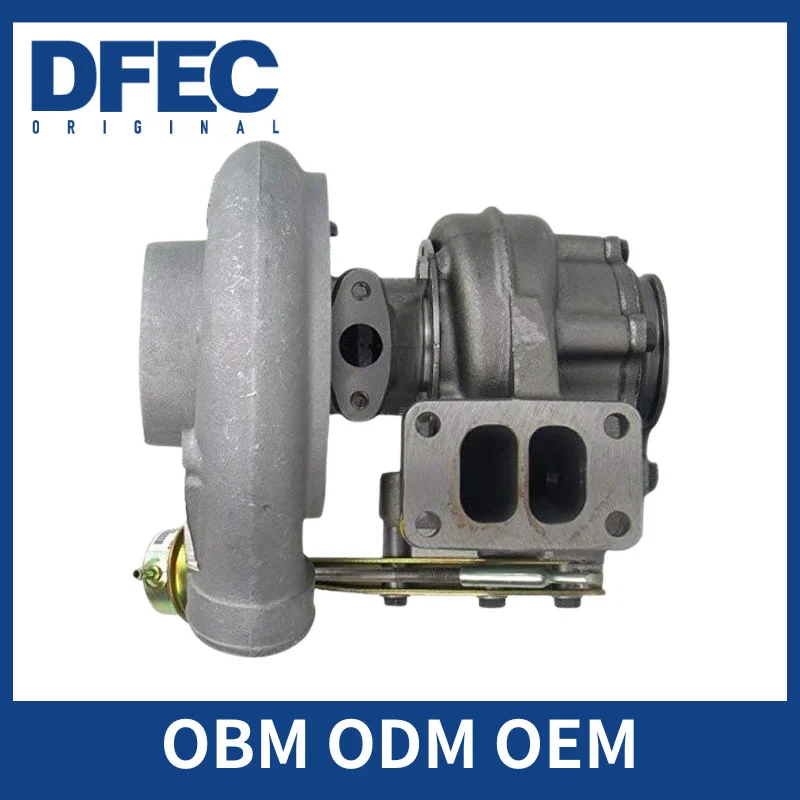
DFEC 3536977 HX35W Turbocharger for Cummins 6BT / 6BTA
Wastegated replacement assembly with divided turbine inlet, compressor housing, centre housing and actuator.
3536977 · HX35W
Diesel Engine Water Pumps & Turbochargers
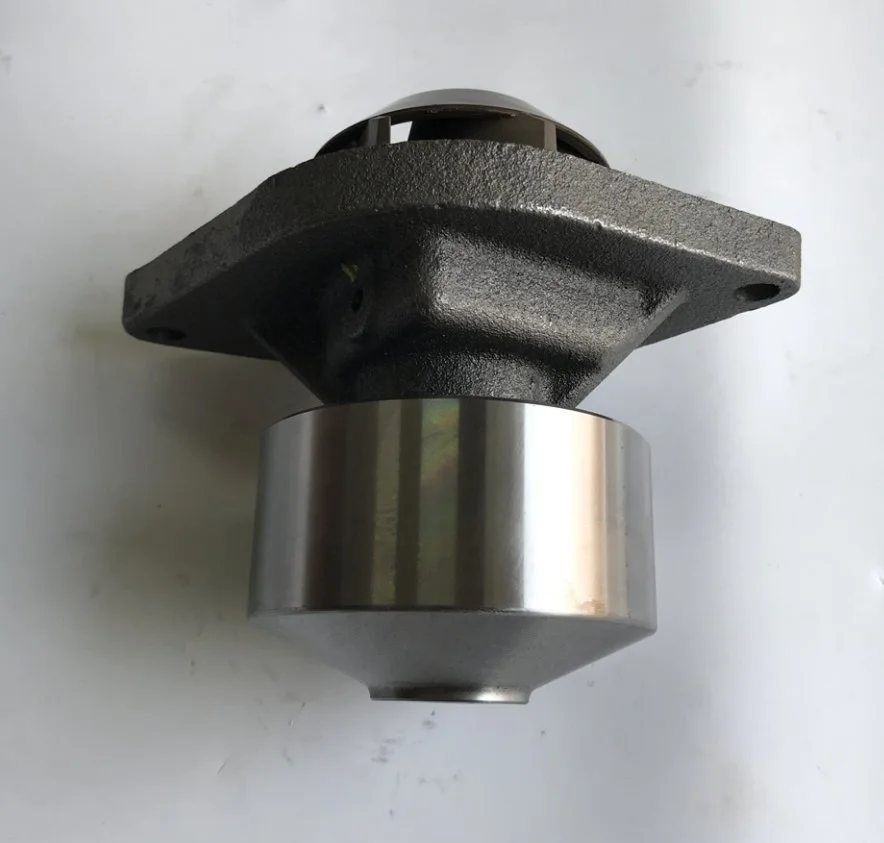
Gloria 3802358 is a GR replacement coolant-pump assembly for Cummins 4B, 4BT, 4BTA, 6B and 6BT engine applications. The cast-iron body fits at the engine cooling-system mounting face, and the pulley transfers drive to the impeller. A cooling repair order can pair the pump with its mounting seal, thermostat and belt-drive service items.
| Model / part number | 3802358 |
|---|---|
| Water-pump number | 3802358 |
| Supplied brand | GR |
| Engine family | Cummins B-series |
| Applications | 4B / 4BT / 4BTA / 6B / 6BT |
| Function | Coolant circulation |
| Housing | Iron |
| Drive | Pulley driven |
| Condition | New replacement |
| Sales unit | Pump assembly |
The pump uses the engine’s pulley drive to circulate coolant. The mounting flange, impeller side and drive surface distinguish the replacement from a similar-looking cooling pump. Keep the old number with the engine serial and CPL on a workshop parts list.
A complete pump replaces the housing, rotating shaft, bearing, impeller and internal water seal as an assembly. The seal between the pump and engine is an installation item. A cooling-system repair may also need a thermostat or hose, which each has its own engine part number.
| Purchase line | Function | Order detail |
|---|---|---|
| 3802358 pump | Circulates engine coolant | Assembly quantity |
| Mounting seal | Seals pump-to-engine joint | Seal or gasket form |
| Thermostat kit | Controls coolant circulation temperature | Engine CPL and thermostat setting |
| Belt / tensioner | Drives the pump and maintains belt tension | Belt route and installed component number |
B-series aftermarket catalogs distinguish ordinary and hardened-pulley water-pump assemblies. For example, DS-3286277 is sold as a hardened-pulley, two-bolt replacement with a mounting O-ring for several older B-series water-pump numbers. Compare the mounting and drive arrangement when choosing that assembly alongside a 3802358 replacement.
List the water pump, its installation seal and any thermostat or belt-drive parts in one cooling-service order. For a mixed fleet, label each line with the engine serial and the quantity for that engine. This allows the workshop to separate fitted repairs from spare pumps.
The 3802358 listing covers 4B, 4BT, 4BTA, 6B and 6BT applications, so the same pump number appears on four- and six-cylinder B-series engines. Within those families, engine builds vary by installation and year, and the pump on an older engine may already have been replaced with a different number. A few minutes of checking before the order avoids a pump that does not line up with the belt or the mounting face.
If the engine serial and CPL confirm 3802358 and the photographs match, the order is straightforward. If anything differs, such as a hardened-pulley pump of the type described above, send the evidence and let the number be confirmed first.
Owners comparing B-series pumps often come across other Cummins numbers in parts books, on old invoices or in search results, for example 5473238 or 3800883. Each number identifies its own assembly. Some numbers are superseded by newer ones over time, some belong to later engine families, and some differ only in pulley or seal details. A similar shape is not enough to treat two numbers as interchangeable.
The reliable route is to check the engine CPL against the Cummins parts record, or to send the engine serial, CPL and old pump number with the enquiry. This page lists 3802358 for the B-series applications named above and makes no cross-reference claim for any other number.
Confirm that the pump is the cause before replacing it. With the engine stopped and cool, a short inspection separates a pump fault from a hose, belt or thermostat problem.
Once the pump is off, look at the impeller. Heavy corrosion, erosion pits or a loose impeller on the shaft tell you that the coolant needs attention as well as the pump.
Compare the new pump with the old one on the bench before fitting: mounting holes, sealing arrangement, pulley size and the impeller side. Then work through the fitting in order.
Never run the engine without coolant to check the pump. The internal shaft seal relies on coolant to cool and lubricate its faces and can be damaged in a short dry run.
The belt drive that turns this pump also drives the alternator and often the fan. A worn belt or a weak tensioner shortens the life of the new pump bearing, either by slipping and glazing or by holding uneven tension.
| Item | What to check | Replace when |
|---|---|---|
| Drive belt | Cracks across the ribs, glazing, missing chunks | Any cracking or wear, or if it has stretched |
| Belt tensioner | Arm moves freely and returns, spring holds tension | Arm sticks, bounces or the indicator is out of range |
| Tensioner and idler pulleys | Bearing noise, wobble, worn grooves | Rough, noisy or loose |
| Pulley alignment | Belt runs straight between pulleys | Misalignment that wears one belt edge |
A new belt is cheap insurance when the old one has already been removed. Order it by the engine’s belt number and length, as the route differs between installations.
Flushing the system when the old coolant is dirty, and filling with the coolant type the engine manual specifies, removes the most common of these causes. More on coolant care and the rest of the cooling pack is on the cooling system parts page.
A new pump that has been fitted correctly shows itself within the first warm-up. Watch the temperature gauge rise steadily and then settle once the thermostat opens. At that point the top radiator hose should become hot along its length, and the cab heater, where fitted, should blow warm air.
Record the coolant temperature at working load in the first shifts. It gives a baseline for spotting the next cooling problem early.
Fleets running several B-series engines often keep a spare pump on the shelf, so that a failed pump on a working machine can be changed in the same shift instead of waiting for a delivery. Store it in its box, dry and away from heat, with the openings covered so dust cannot reach the seal faces. Keep the mounting seal bagged with the pump and label the box with the pump number and the engines it has been confirmed against by serial and CPL. Do not store pumps where they can be knocked onto their pulleys. Rotate stock so the oldest pump is fitted first, and inspect the rubber seal before fitting a pump that has been stored for a long time.
The water pump sits at the front of the engine where the belt, tensioner, thermostat housing and fan are already exposed during the job. If the same engine also needs boost work, the 3536977 HX35W turbocharger for 6BT and 6BTA applications is listed separately, identified by its housings, wastegate actuator and oil connections. Ordering both with their gaskets on one list saves a second shutdown.
For other cooling and engine components, start from the engine parts category.
Send the list through the quote request form.
| Product | Component | Engine entry | Key installation views |
|---|---|---|---|
| 3802358 | Coolant pump | 4B / 4BT / 4BTA / 6B / 6BT | Mounting face and drive |
| 3536977 / HX35W | Turbocharger | 6BT · HX35W | Housings, actuator and oil connections |
3802358 identifies the water-pump assembly. Installation seals and thermostat gaskets are separate parts in the cooling-system purchase.
It is pulley driven. The pulley, mounting face and impeller side describe its physical arrangement.
Yes. Put the thermostat and its seal on separate lines with the engine serial and CPL. The water-pump number alone does not set the thermostat opening temperature.
The machine can use more than one engine specification. The engine serial and CPL identify the cooling and belt-drive parts attached to that engine.
The listing names 4B, 4BT, 4BTA, 6B and 6BT applications, so the same pump number is used across those four- and six-cylinder engines. Individual engines can still carry a different pump if they were built to another specification or repaired with a different part, so confirm with the engine serial, CPL and the old pump before ordering.
Do not assume so. They are separate numbers, and this page lists only 3802358 for the B-series applications named. Whether a later number supersedes or replaces an earlier one is shown in the Cummins parts record for the engine CPL. Send the engine serial and CPL if you need the relationship confirmed.
Not unless the engine manual specifies it. The pump is designed to seal with its O-ring or gasket alone. Sealant can squeeze into the coolant passages, contaminate the pump’s internal shaft seal and block radiator tubes. Fit a clean new seal on a clean face, lubricated only as the manual allows.
No. The pump’s internal seal needs coolant on its faces from the first turn. Running dry, even briefly, can damage the seal and cause an immediate leak. Fill the system first, vent air as the manual describes, then start the engine.
It is a different assembly rather than an upgrade for every engine. Choose the pump whose mounting, sealing arrangement and pulley match the engine as built. If the engine already carries a hardened-pulley pump, send its number and photographs so like can be matched with like.
Wastegated replacement assembly with divided turbine inlet, compressor housing, centre housing and actuator.
Send your machine model, required quantity and destination. Add installation items, wear parts and service quantities to the same inquiry.