
Diesel Engine Water Pumps & Turbochargers
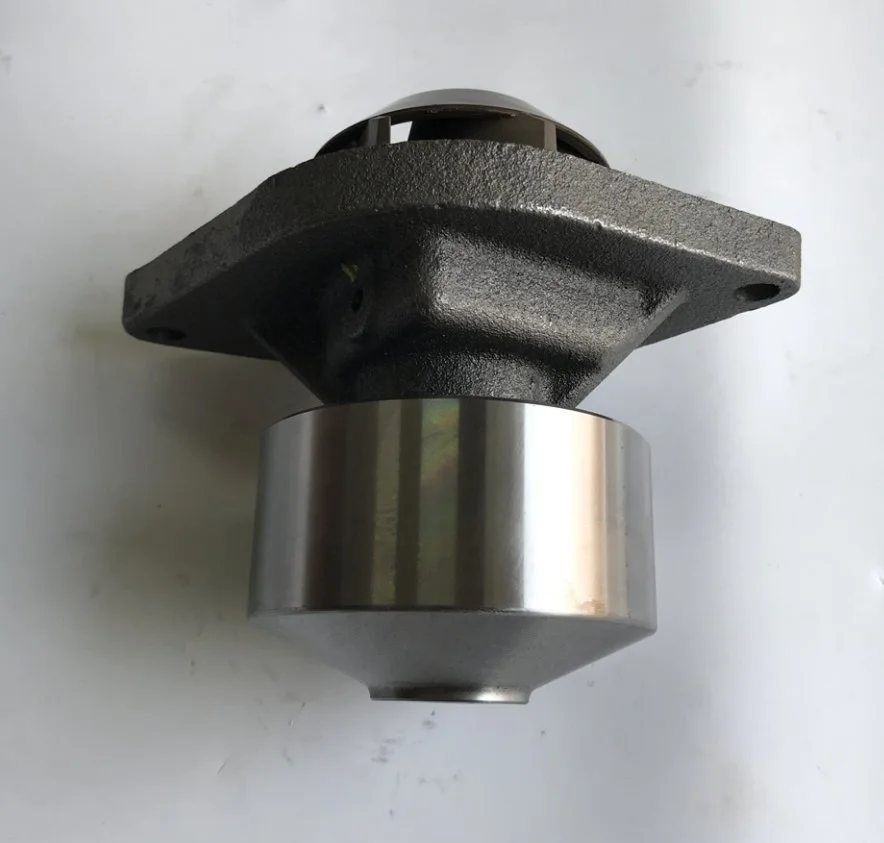
Gloria 3802358 Water Pump for Cummins 4BT / 6BT Engines
GR replacement coolant pump with iron housing and pulley drive for B-series 4- and 6-cylinder engines.
3802358 · water pump
Diesel Engine Water Pumps & Turbochargers
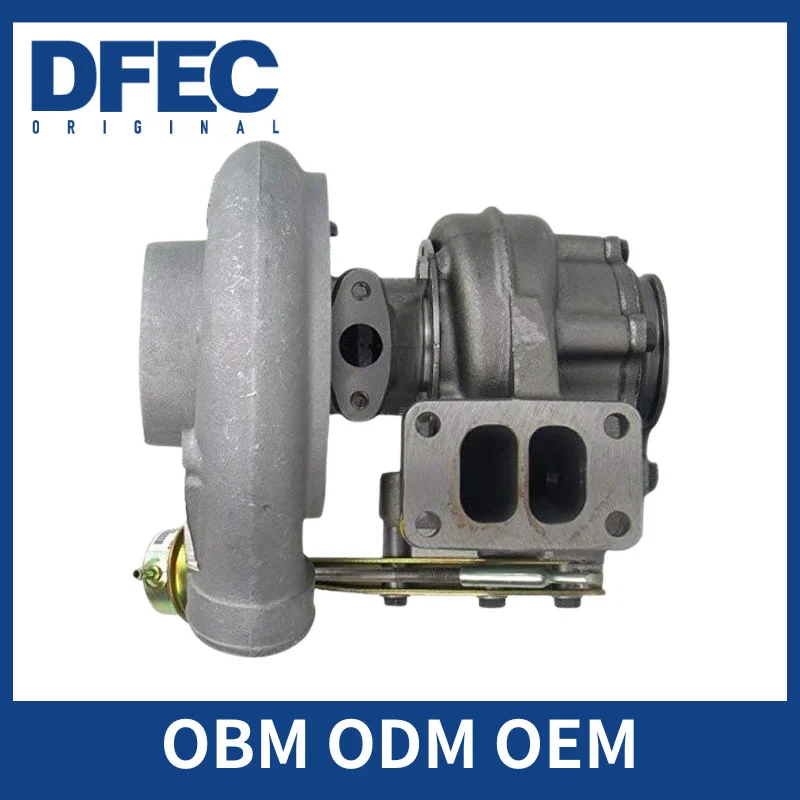
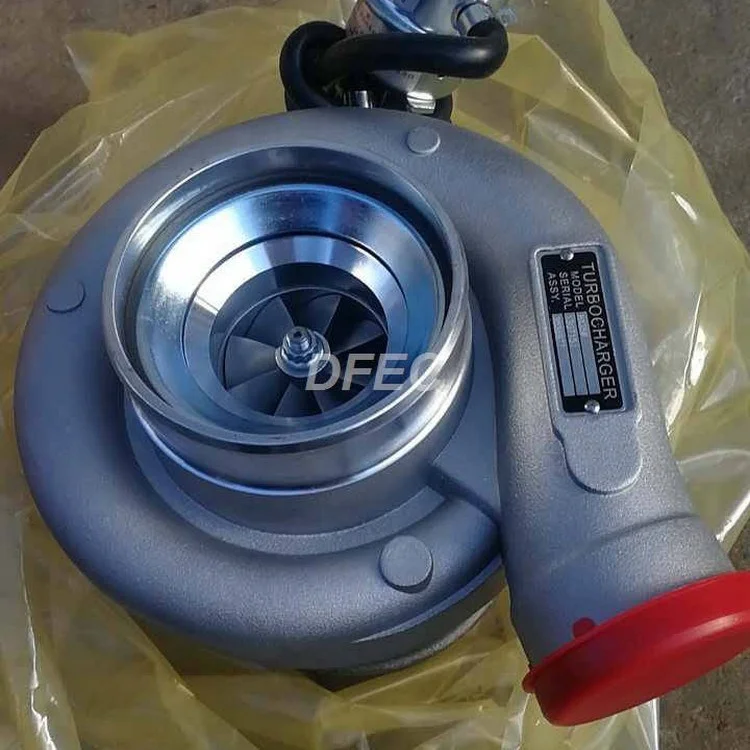
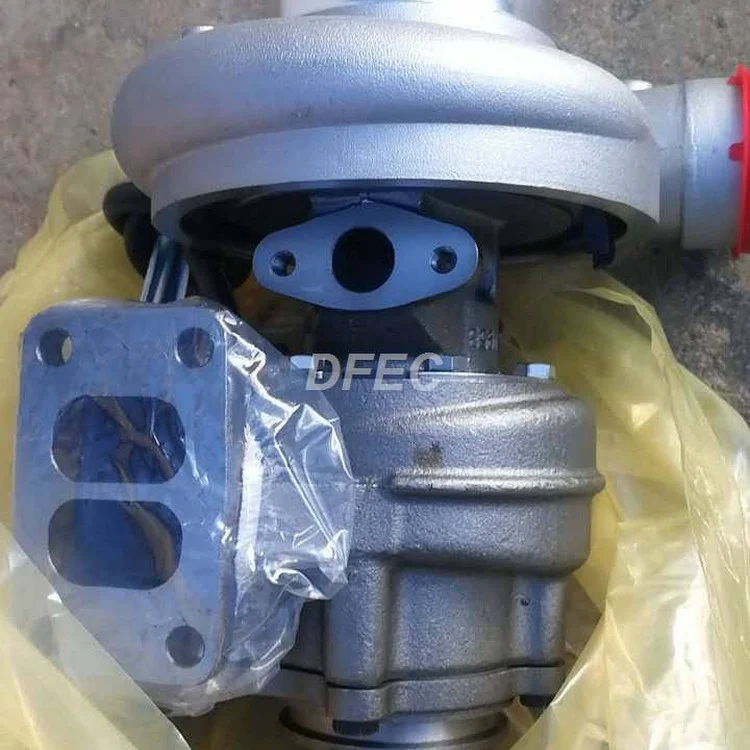
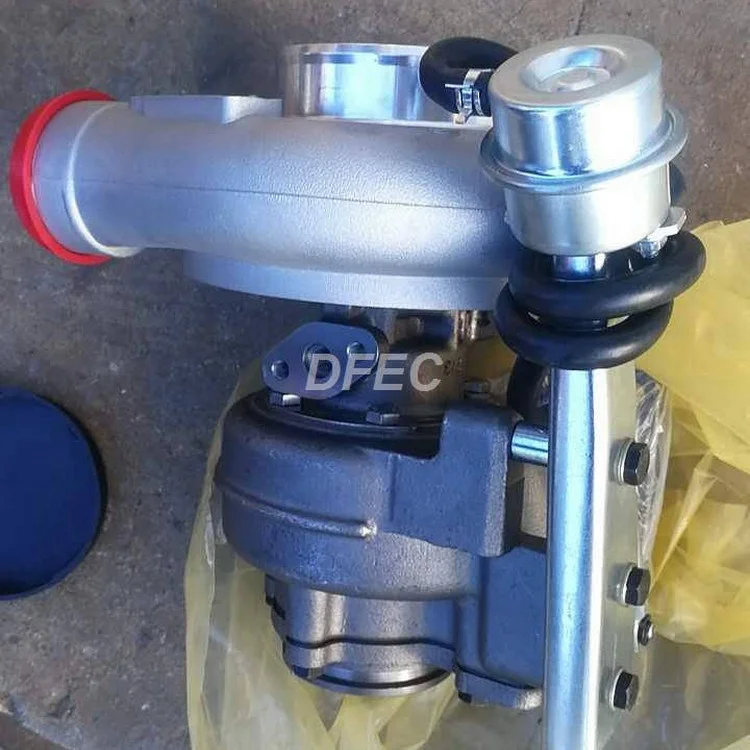
DFEC 3536977 is a new HX35W replacement turbocharger for 6BT and 6BTA engine applications. The photographed assembly has a divided turbine inlet, compressor cover and pressure-operated wastegate actuator. The HX35W family uses a wastegate to control turbine drive and boost; 3536977 identifies the particular assembly and its housing arrangement.
| Model / part number | 3536977 / HX35W |
|---|---|
| Turbocharger number | 3536977 |
| Family | HX35W |
| Supplied brand | DFEC |
| Engine application | 6BT / 6BTA |
| Control type | Wastegate |
| Turbine inlet | Divided flange, four mounting bolts |
| Assembly | Compressor / turbine / centre housing with actuator |
| Condition | New replacement |
| Order unit | Turbocharger assembly |
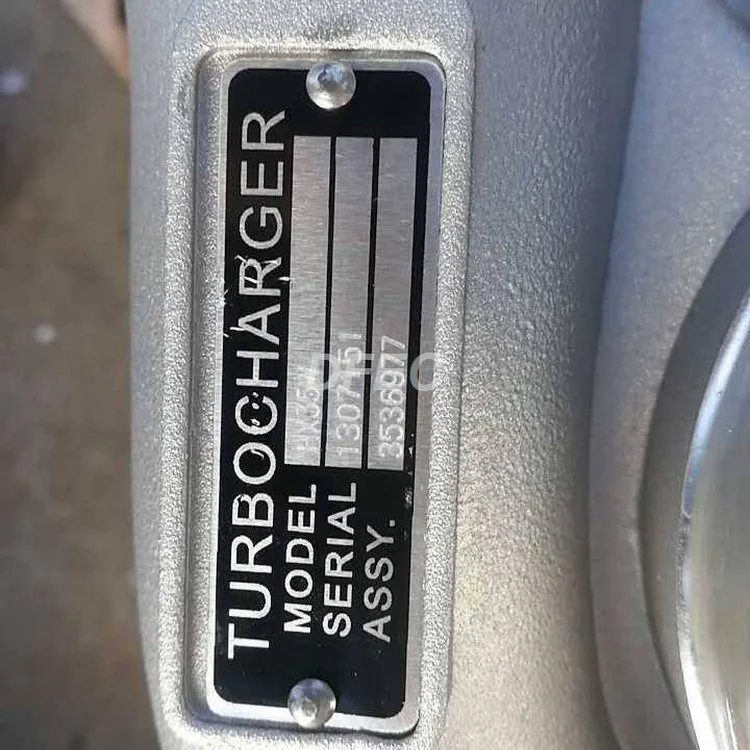
HX35W names a wastegated turbocharger family. The nameplate’s 3536977 assembly number distinguishes this turbo from other HX35W units with different turbine housings and connections. Keep the complete plate identity with the engine serial and CPL.
The compressor inlet and outlet join the intake and charge-air pipes. The turbine inlet joins the exhaust manifold, and the turbine outlet joins the exhaust pipe. The centre housing has an oil feed and drain. Their directions form the installed assembly layout.
| Interface | What connects | Purchase detail |
|---|---|---|
| Compressor inlet / outlet | Air intake and charge-air pipe | Outlet direction, hose diameter and clamps |
| Divided turbine inlet | Exhaust manifold | Flange and gasket |
| Turbine outlet | Exhaust pipe | Outlet connection and housing direction |
| Centre-housing oil feed / drain | Engine lubrication | Connection faces, lines and drain gasket |
| Wastegate actuator | Pressure signal and turbine bypass | Actuator bracket, hose and linkage |
A complete turbo order includes the housings and wastegate arrangement as an assembly. A cartridge, also called a CHRA, replaces the centre rotating unit inside the retained housings. Buying a cartridge is a workshop rebuild and needs the corresponding wheel and housing arrangement; it is a separate purchase from a complete 3536977 turbo.
A DFEC replacement assembly and a Holset 3536977 assembly have separate brand and package identities. A quotation can compare those two purchase choices with installation gaskets, oil connections and the complete housing arrangement. Each offer keeps its supplied brand on the invoice.
The HX35W turbo family covers many assemblies, and B-series Cummins engines are installed in excavators, loaders, generator sets, pumps and marine units with different pipe routes. The 3536977 number narrows the choice to one assembly. Before ordering, confirm that the turbo now on the engine is that assembly and that its connections match this unit.
If any connection points a different way, the engine may carry a different 3536977-family housing arrangement or a different assembly altogether. Send the photographs with the request rather than relying on the family name.
Cummins B-series model names describe the build. In 6BT and 6BTA, the 6 is the cylinder count, B the engine series, T means turbocharged and A means aftercooled, that is, fitted with charge-air cooling between the turbo and the intake. The 6BT is commonly referred to as the 5.9-litre B-series six.
| Designation | Meaning | Effect on the turbo installation |
|---|---|---|
| 6BT | Six-cylinder B-series, turbocharged | Compressor outlet feeds the intake directly or through a simple pipe |
| 6BTA | Six-cylinder B-series, turbocharged and aftercooled | Compressor outlet feeds a charge-air or aftercooler circuit first |
| CPL on the dataplate | Control parts list for that engine build | Defines which turbo assembly was fitted at the factory |
Both designations appear in the application for this assembly. The charge-air pipework differs between installations, so check hose sizes and clamps against the old turbo when ordering the installation items.
Holset turbochargers are named by family, and the family name alone does not identify a part. The comparison below explains the families that come up when searching for a Cummins turbo, and why they are not substitutes for each other on an engine built for a wastegated HX35W.
| Family example | Control | Relevance to 3536977 |
|---|---|---|
| HX35W | Pressure-operated wastegate | This assembly’s family |
| HX35 without W | Free-floating, no wastegate | Different turbine control; not an alternative without engineering approval |
| HE300VG, HE351VE, HE400VG | Variable geometry with an electronic actuator | Needs engine-controller support; not a substitute for a wastegated unit |
Searches for a 5.9 Cummins turbo often concern on-road pickup installations. Those engines use their own assembly numbers and pipe routes. Treat the number on the plate as the reference and do not assume that an on-road HX35W matches an industrial 6BT.
Work on a cold engine with the key removed. The turbine housing holds heat long after the engine stops.
Inspect the exhaust manifold studs while the turbo is off. Replace stretched, corroded or damaged studs now; a stud that snaps after the new turbo is fitted means removing it again.
After the first working shift, recheck flange nuts, hose clamps and the actuator hose. Note the turbo assembly number, fitting date and hour-meter reading in the machine record.
The actuator on this HX35W is pressure-operated. Boost pressure reaches its diaphragm through a small hose. As boost rises, the diaphragm compresses its spring and pushes the rod, which opens the wastegate valve inside the turbine housing. Some exhaust then bypasses the turbine wheel, holding boost at the level the engine was built for.
The centre housing of this turbo is fed from the engine’s pressurised oil supply through a small-bore feed line, and returns oil to the crankcase through a larger drain tube. The bearings depend on oil arriving within seconds of start-up and leaving freely. Most early failures of a replacement turbo trace back to one of these two lines.
Record oil pressure at idle and at rated speed after the change, so a later drop can be spotted before it reaches the turbo.
| Problem | Likely cause | Check |
|---|---|---|
| Oil in the compressor outlet or intake | Restricted drain, high crankcase pressure | Drain tube route, breather, engine blow-by |
| Oil at the turbine outlet, blue smoke | Drain restriction or extended idling | Drain tube, idle time, oil level not overfilled |
| Low boost, slow response | Charge-air leak, wastegate sticking open | Hoses and clamps, actuator movement |
| Boost higher than normal | Actuator hose leaking or disconnected | Hose and connections |
| Whistle under load | Leak at compressor outlet hose or gasket | Joint by joint under load |
| Exhaust smell in the engine bay | Turbine flange or outlet joint leak | Gasket and nut tightness after cooling |
A new turbo that fails within hours almost always points to an outside cause that was not fixed. Stop the engine and check oil supply and drain before fitting another unit.
A turbo change is a natural point to review the rest of the engine’s front-end service. If the coolant pump weeps or the bearing is noisy, the 3802358 B-series water pump listed beside this turbo is identified by its own engine entry, mounting face and pulley drive, and is ordered as a separate line. Belts, hoses, the oil filter and engine oil also go on the same repair list, each with its own number.
For actuator, cartridge and assembly options beyond this unit, see turbochargers by assembly, actuator and cartridge. Other engine components are grouped on the engine parts category.
Send these through the quote request, and include the machine make and model so the hose and pipe routes can be checked.
| Product | Component | Engine entry | Key installation views |
|---|---|---|---|
| 3802358 | Coolant pump | 4B / 4BT / 4BTA / 6B / 6BT | Mounting face and drive |
| 3536977 / HX35W | Turbocharger | 6BT · HX35W | Housings, actuator and oil connections |
W identifies the wastegate version. The wastegate diverts part of the exhaust flow to control turbine drive and boost.
The assembly purchase identifies the compressor, turbine and centre housing with the wastegate actuator. Installation gaskets, feed/drain connections and charge-air clamps can be listed with it as separate items.
HX35W is a family with several assemblies. The 3536977 assembly number, turbine flange, housing directions and actuator arrangement describe this purchase.
A CHRA is the centre rotating assembly for a rebuild using existing housings. The complete turbo includes its housings and actuator arrangement and is bought as the assembled replacement.
Both are six-cylinder Cummins B-series engines with a turbocharger. The A in 6BTA means aftercooled: compressed air passes through a charge-air or aftercooler circuit before the intake. The turbo assembly can be the same number on both, but the pipe routes and hoses on the compressor side differ by installation. Check those with the old turbo before ordering hoses and clamps.
This assembly is listed for 6BT and 6BTA engine applications. On-road pickup engines use their own turbo assembly numbers, housings and pipe routes, even when the family is also HX35W. Compare the number on the turbo plate with 3536977 and check the flange, outlet directions and actuator position before considering it for any other engine.
No. The actuator is set by the turbo maker for this assembly, and changing it alters boost pressure. If boost is wrong after fitting, look for leaking hoses, a disconnected actuator line, charge-air leaks or a restricted air filter before suspecting the actuator setting.
No. Exhaust gaskets crush and harden when they seal, and a reused gasket often leaks hot exhaust gas onto nearby hoses and wiring. Fit a new gasket for the divided four-bolt flange, together with new oil drain and feed seals.
Idle for a few minutes on first start while checking for leaks, then work the machine normally. After heavy work, allow the cool-down idle time given in the engine manual before shutting down. Avoid long periods of unnecessary idling, which can let oil past the shaft seals.
GR replacement coolant pump with iron housing and pulley drive for B-series 4- and 6-cylinder engines.
Send your machine model, required quantity and destination. Add installation items, wear parts and service quantities to the same inquiry.