
Excavator Hydraulic Breakers
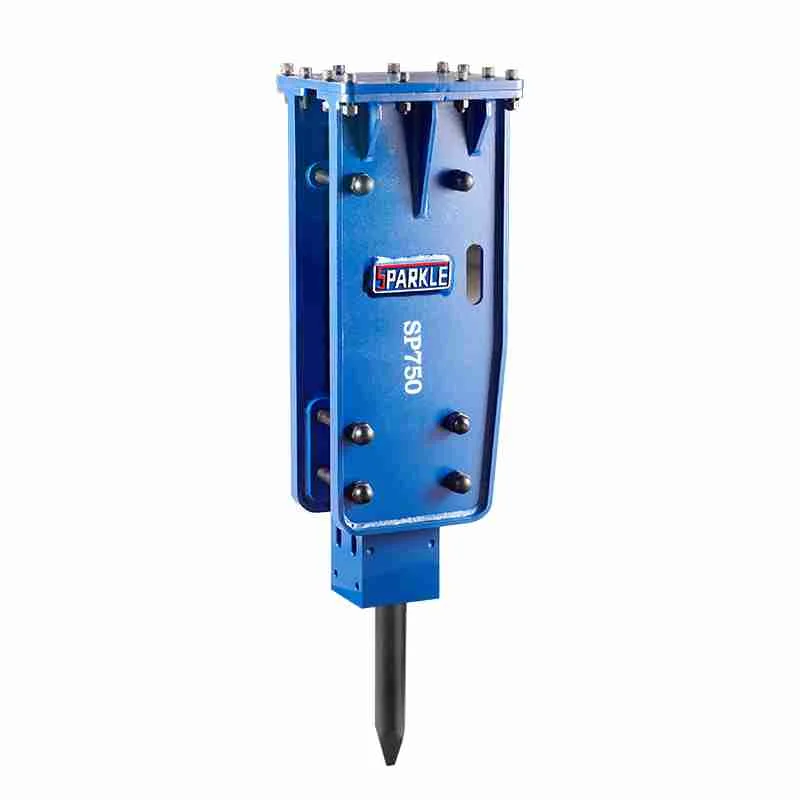
Sparkle SP750 Top-Type Hydraulic Breaker — 75 mm Tool
409 kg, 75 mm tool and 50–90 L/min for 6–9 tonne excavators.
75 mm tool · 50–90 L/min
PRODUCT CATEGORY
Compare compact SP530, SP680 and SP750 breakers with the larger JISAN JSB1900S by carrier, tool diameter, weight and hydraulic circuit.
| Model | Carrier | Weight | Tool | Oil flow | Operating pressure |
|---|---|---|---|---|---|
| Sparkle SP530 | 2.5–4.5 t | 155 kg | 53 mm | 25–50 L/min | 88–117 bar |
| Sparkle SP680 | 4–7 t | 361 kg | 68 mm | 40–70 L/min | 108–137 bar |
| SP750 | 6–9 t | 409 kg | 75 mm | 50–90 L/min | 118–147 bar |
| SB81 | 19–26 t | 1898 kg | 140 mm | 130–170 L/min | 160–180 bar |
4 products
409 kg, 75 mm tool and 50–90 L/min for 6–9 tonne excavators.
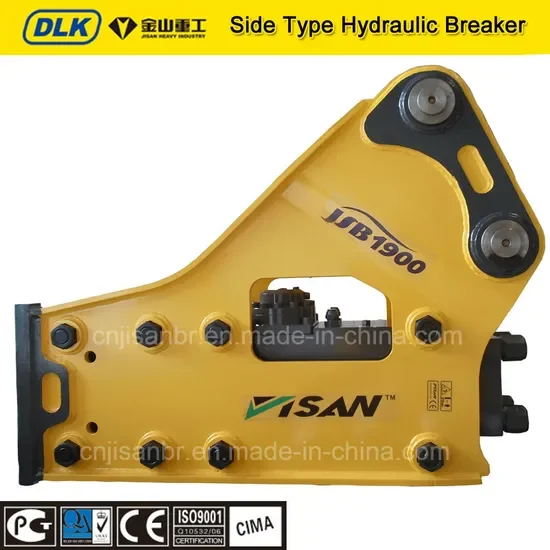
140 mm tool, 130–170 L/min oil flow and 1, 898 kg working weight in the JSB1900S side-type configuration.
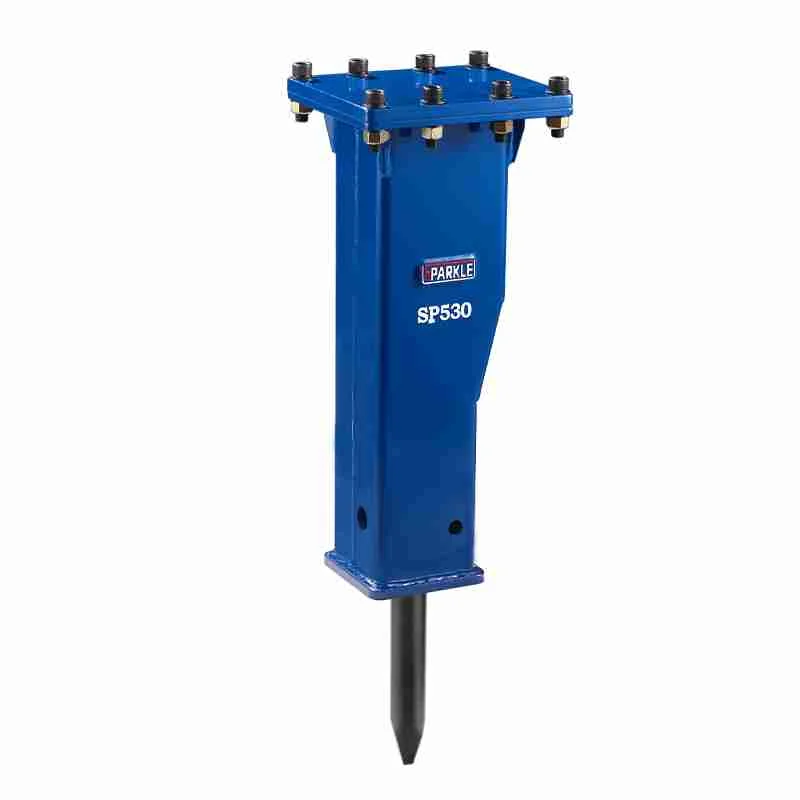
155 kg silent breaker, 53 mm tool and 25–50 L/min for 2.5–4.5 t carriers.
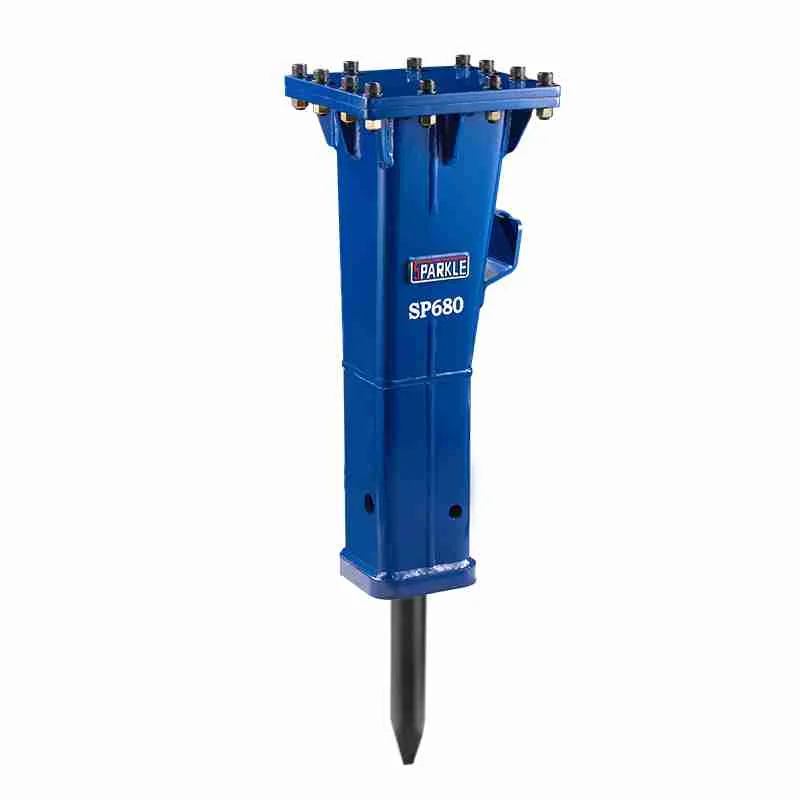
361 kg silent breaker, 68 mm tool and 40–70 L/min for 4–7 t carriers.
Send the part number or describe the equipment you need.
Send a sourcing requestConcrete removal often combines breaking with material handling. Rock excavation may add a ripper or digging bucket after breaking. Start with the machine class, then compare oil flow, pressure, total attachment mass and working-tool shape.
Compare the hammer body, bracket, hose pair, working tools and maintenance equipment as separate lines. For dealer replenishment, add spare tools, bushings and seal kits by hammer configuration.
For a 3–4 tonne mini excavator, start with SP530: 155 kg and 25–50 L/min. A 5 tonne machine moves the comparison to SP680: 361 kg and 40–70 L/min. The 6–7 tonne overlap between SP680 and SP750 is where body style, installed mass and the available circuit distinguish the two packages. For a 20 tonne excavator, JSB1900S brings a 140 mm tool and 130–170 L/min circuit.
| Your purchase | Product | Configuration to compare |
|---|---|---|
| 3–4 tonne mini-excavator breaker | Sparkle SP530 | 53 mm silent body; bracket, ½-inch hoses and tools |
| 5 tonne excavator breaker | Sparkle SP680 | 68 mm silent body; 361 kg; 40–70 L/min |
| 6–9 tonne top-type breaker | SP750 | 75 mm top body; 409 kg; 50–90 L/min |
| 20 tonne rock-breaking package | SB81 | JSB1900S side body; 140 mm; 1-inch hoses |
Each hammer has its own tool diameter and retaining geometry. Record the tool drawing with the hammer body, then order the matching lower/upper bushes, retaining pins and seals. For dealer replenishment, count installed hammers and tool quantities separately: a second tool is a wear item, while a complete hammer adds another body, bracket and hydraulic package.
| Timing | Work record | Replacement group |
|---|---|---|
| Daily | Leaks, loosened bolts, tool condition and grease | Hoses, tool and fasteners |
| Weekly | Tool/bush clearance, nitrogen and retaining pins | Tool bushes and pins |
| Monthly | Circuit oil flow and pressure readings | Hydraulic and body service parts |
An excavator breaker, also called a hydraulic hammer, rock breaker or, on UK sites, a pecker, turns the carrier’s auxiliary oil flow into repeated impacts on a steel tool. Oil from the excavator drives a piston upwards inside the hammer body. At the top of the stroke a control valve switches the oil, and the piston is driven down by hydraulic pressure and by gas compressed in the upper chamber. The piston strikes the top of the working tool, and the tool transfers that energy into the rock or concrete. The cycle repeats hundreds of times a minute.
Two parts outside the piston decide how well that energy reaches the material. The nitrogen charge, held in the back head or in a separate accumulator depending on the design, stores energy on the up-stroke and smooths pressure peaks in the circuit. The tool bushes at the front guide the tool so the piston hits it squarely. Low nitrogen or worn bushes both reduce breaking power long before the hammer stops working, which is why routine checks focus on them.
The current range runs from a 155 kg silenced hammer for 2.5–4.5 tonne mini excavators to a 1898 kg side-type unit for 19–26 tonne machines. Pick the class from the carrier first, then check the task: light slab and footpath work favours a fast, light hammer, while trench rock and boulder breaking need more energy per blow from a heavier tool.
| Carrier | Model | Typical work |
|---|---|---|
| 2.5–4.5 t mini excavator | SP530 silenced mini breaker | Footpaths, house slabs, service trenches through concrete, indoor demolition |
| 4–7 t excavator | SP680 silenced breaker | Driveways, footings, kerbs, soft to medium rock in trenches |
| 6–9 t midi excavator | SP750 top-type breaker | Reinforced slabs, foundation removal, trench rock on drainage jobs |
| 19–26 t excavator | SB81 side-type rock breaker | Rock excavation, bulk concrete demolition, oversize boulders |
A hammer that is too heavy for the carrier tips the machine forward and stresses the arm. One that is too light bounces on hard material and wastes fuel. When two models overlap on carrier weight, compare the auxiliary flow available on the machine with each hammer’s flow window. The breaker selection guide walks through the full check.
The body style changes noise, mounting and how much of the hammer is exposed. A silenced breaker encloses the power cell in a housing lined with damping material, which lowers noise and protects the cylinder from knocks. SP530 and SP680 are silenced bodies, suited to residential streets, hospitals, schools and indoor work where noise limits apply. A top-type or open body mounts the bracket on top of the power cell; it is lighter for the same tool size and easy to inspect. A side-type body bolts the bracket along the side of the hammer, giving a shorter overall height and a different working angle under the arm. The SB81 page lists side, top and box-silenced versions of the same hammer, each with its own weight and flow figures, so the body type must be named on every order.
Match the breaker to the mini excavator’s operating weight and auxiliary flow. In this range, SP530 covers 2.5–4.5 tonne machines with 25–50 L/min, and SP680 covers 4–7 tonnes with 40–70 L/min. Check the carrier’s actual auxiliary flow at the hammer, the bracket fit or coupler pick-up, and the machine’s stability with the hammer extended.
They are the same attachment. Hydraulic breaker, hydraulic hammer, rock breaker and pecker are regional or trade names for an excavator-mounted tool that uses oil flow to drive a piston against a steel working tool. Some manufacturers use “hammer” for larger units and “breaker” for smaller ones, but the operating principle and selection checks are the same.
Yes, the same hammer breaks both, but the tool shape and energy level matter. A chisel suits concrete slabs and trench lines, and a moil point starts fractures in hard rock. Hard, massive rock needs more energy per blow, which usually means a heavier hammer on a larger carrier. Light breakers on hard rock mostly wear tools.
Follow the hammer manufacturer’s interval, which on many breakers is every two hours or so of hammering, and more often in hot or abrasive conditions. Press the tool up into the body before greasing so grease reaches the upper bush, and use a chisel paste or high-temperature grease of the type the manual specifies. Dry tools wear their bushes quickly.
Common causes are low nitrogen charge, worn tool bushes, auxiliary flow below the hammer’s range, high return-line pressure and overheated oil. Check the nitrogen with the charging kit, measure bush clearance against the manual, and have the circuit flow and pressure tested at the hammer. Internal seal wear is the next step if those checks are in order.
Send your machine model, required quantity and destination. Add installation items, wear parts and service quantities to the same inquiry.