Separate digging, loosening and finishing
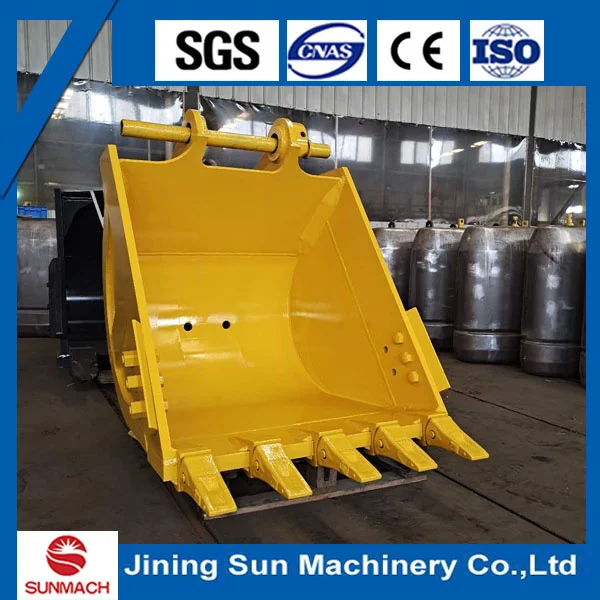
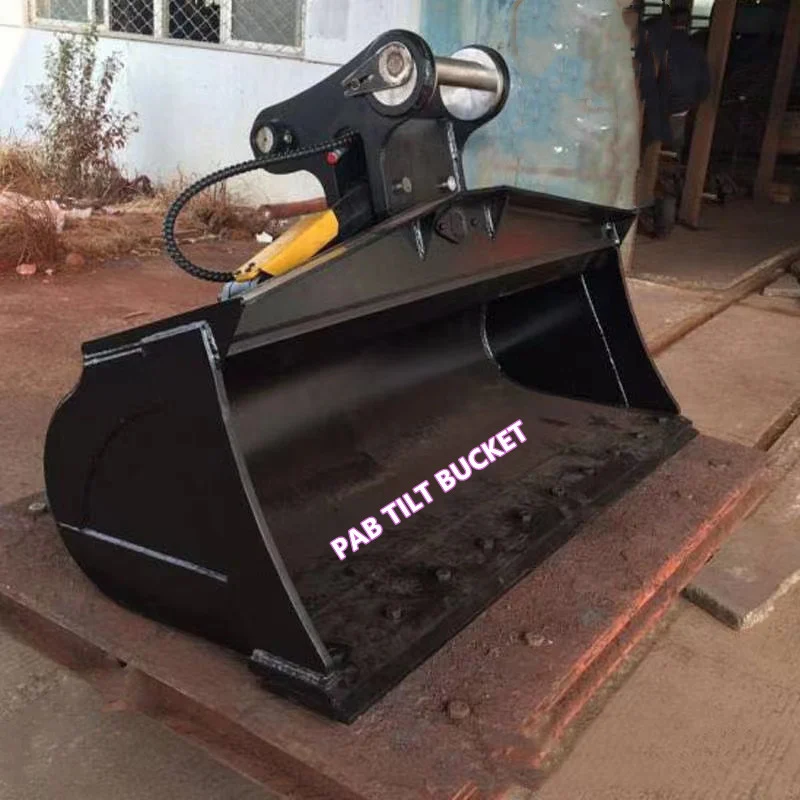
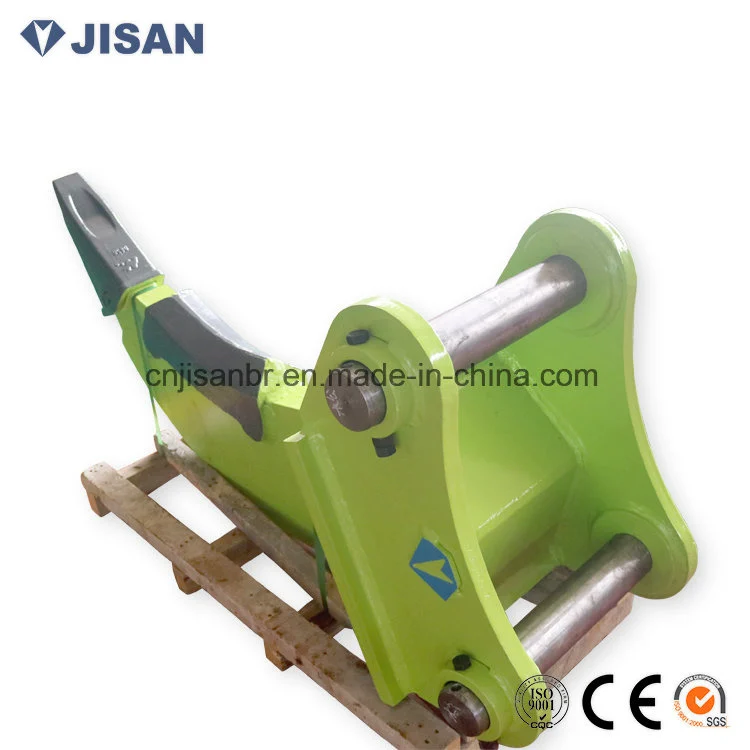
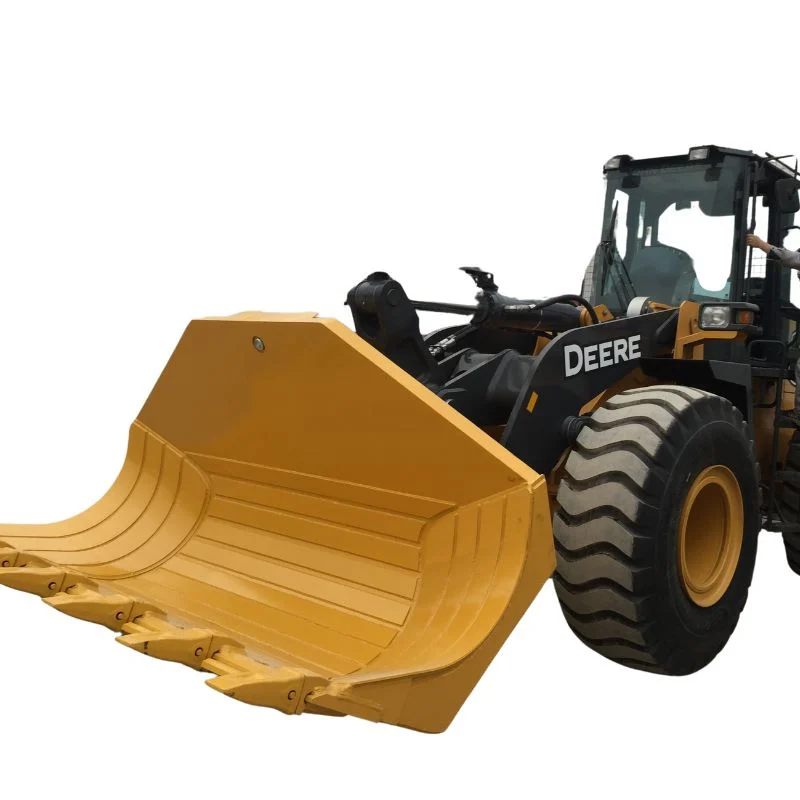
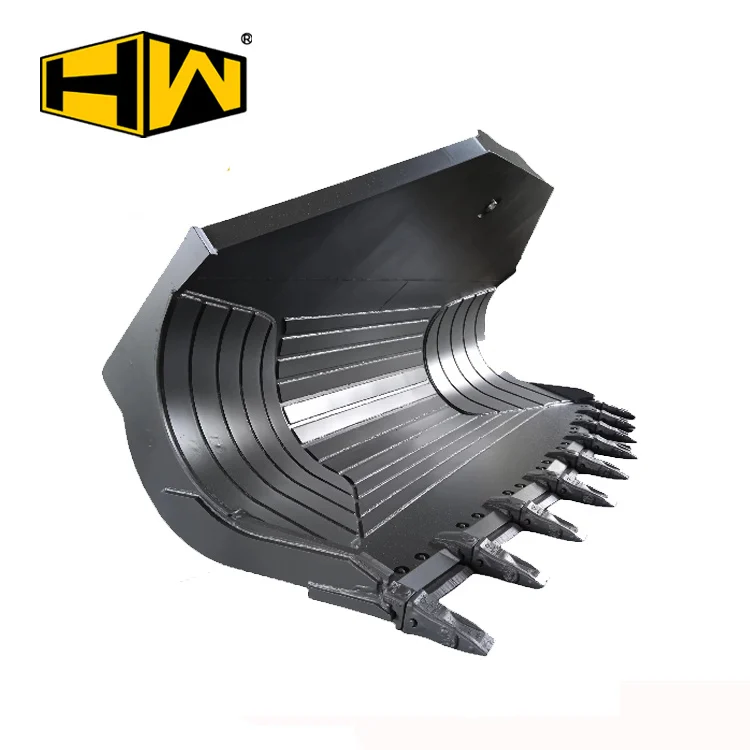
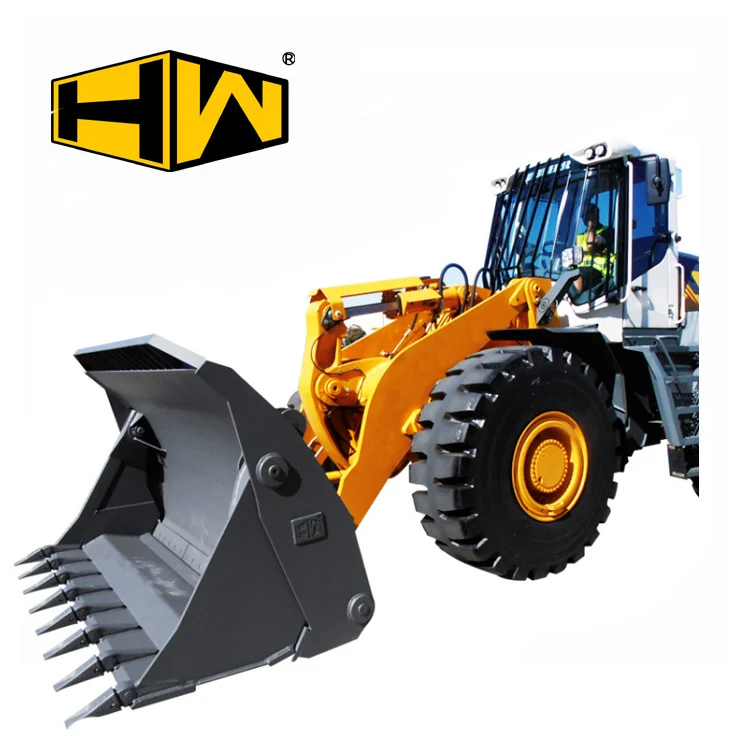
A bucket for abrasive rock has a different job from a wide bucket used to finish a slope. A ripper concentrates the digging action at a single tooth, while a tilting bucket lets the bucket work at an angle to the machine. Begin with the main task and the ground you expect to encounter.
Send the required width or capacity, a description of the material and the machine model. For rock, include photos and say whether it is loose, fractured or part of a continuous layer.
Choose capacity with the loaded weight in mind
Bucket volume alone does not describe the load on a machine. The attachment weight, material density, mounting arrangement and operating position all matter. Provide the material and loading conditions so a suitable size can be compared with the machine requirements.
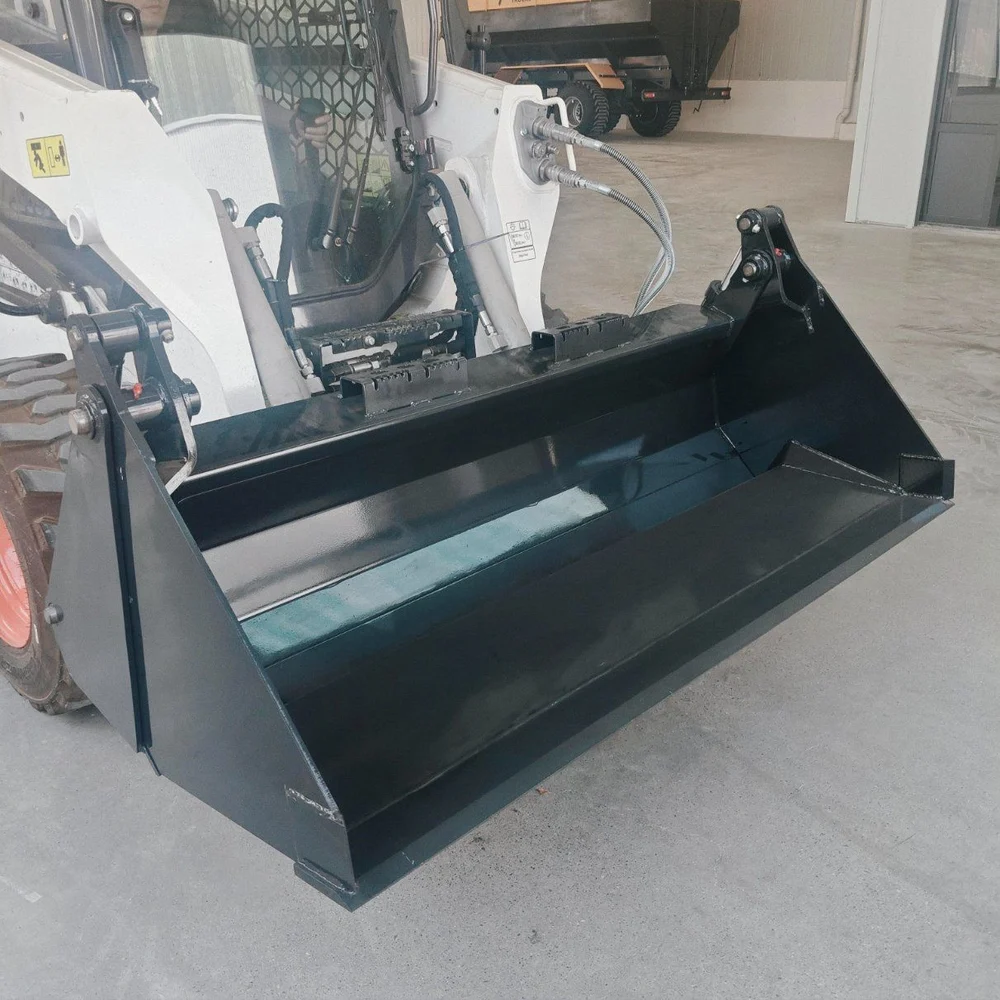
For a side dump bucket, describe the discharge side, receiving height and available clearance. A sketch showing the machine beside the trench, truck or stockpile helps establish the working envelope.
Make the connection details explicit
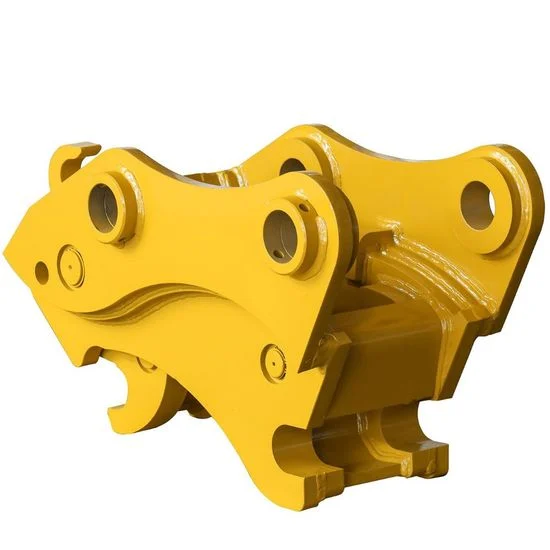
A machine name is a useful starting point. Include its exact version and tell us whether the attachment connects directly to the linkage or through a quick coupler. Record both pin diameters, the distance between pin centres and the inside mounting widths.
If several attachments share one machine, list them together with the coupler model. Their pickup dimensions need to be reviewed as a group before a common mounting arrangement is quoted.
Keep the working edges in the order
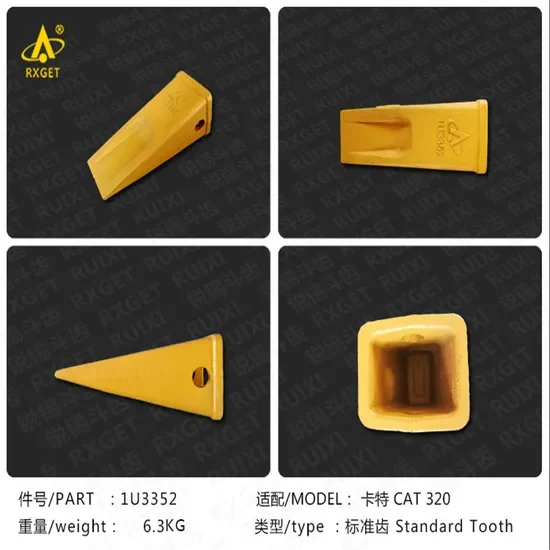
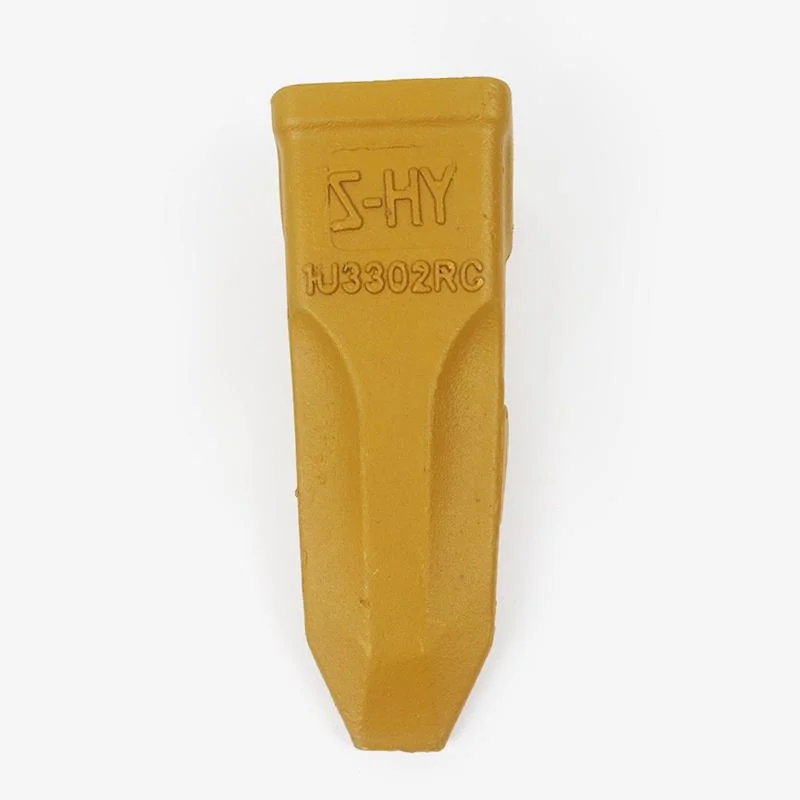
Ask for a clear list of teeth, adapters, pins, retainers and cutting edges included with the bucket. Add spare quantities by part reference so wear items can be reordered without repeating the full selection process.
- Digging or rock bucket with the chosen tooth system.
- Ripper with the replacement tooth reference.
- Tilt or side dump bucket with the required hydraulic connection package.
- Matching wear parts and mounting hardware as separate quote lines.