
Excavator Hydraulic Breakers
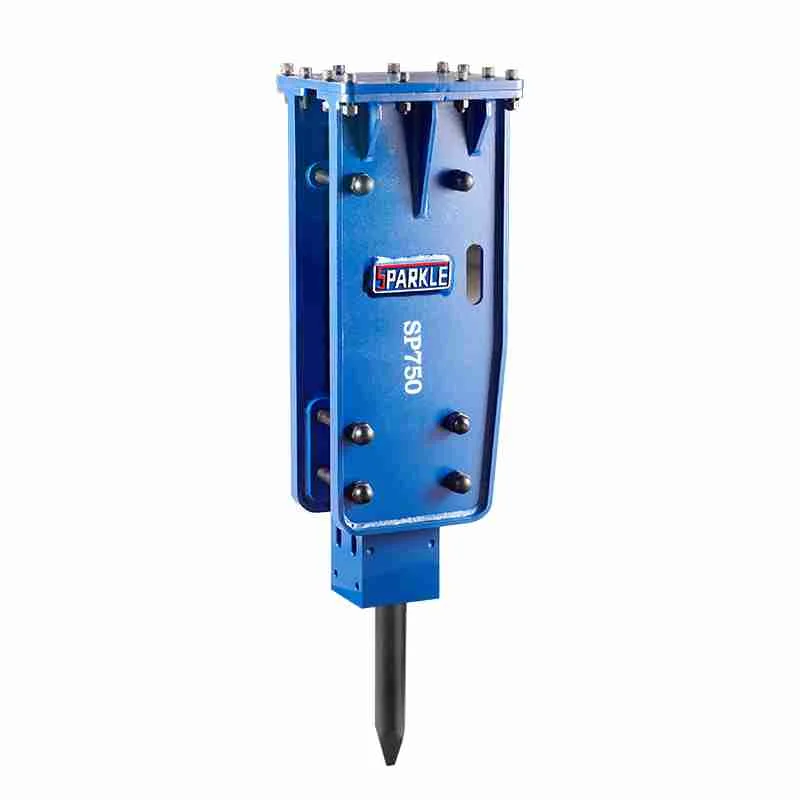
Sparkle SP750 Top-Type Hydraulic Breaker — 75 mm Tool
409 kg, 75 mm tool and 50–90 L/min for 6–9 tonne excavators.
75 mm tool · 50–90 L/min
Excavator Hydraulic Breakers
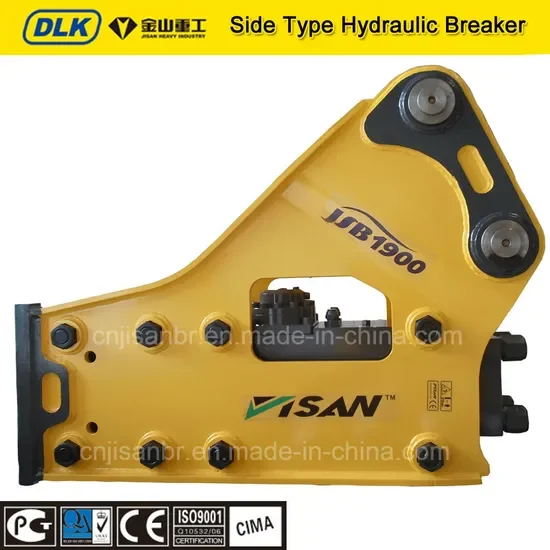
This JISAN SB81 listing uses the JSB1900S side-type configuration: a 140 mm working tool, 130–170 L/min oil flow and 160–180 bar working pressure. The hammer weighs 1, 898 kg and serves the 19–26 tonne excavator class. It is the larger breaking option for rock excavation and concrete demolition in the FIELDWORK range.
| Model / part number | SB81 |
|---|---|
| Manufacturer model | JSB1900S |
| Body type | Side type |
| Excavator weight | 19–26 t |
| Working weight | 1898 kg |
| Overall length | 2810 mm |
| Working pressure | 160–180 bar |
| Oil flow | 130–170 L/min |
| Impact frequency | 400–600 bpm |
| Hose diameter | 1 in |
| Chisel diameter | 140 mm |
The JSB1900S side body uses the 140 mm tool and the 130–170 L/min circuit shown above. A top body changes the mounting layout, while a box housing encloses the hammer. Include the body version in the purchase description; the model family name does not replace the configuration.
| Body | Working weight | Length | Oil flow | Blow frequency |
|---|---|---|---|---|
| Side type JSB1900S | 1, 898 kg | 2, 810 mm | 130–170 L/min | 400–600 bpm |
| Top type | 1, 898 kg | 2, 810 mm | 130–170 L/min | 400–600 bpm |
| Box-silenced type | 2, 050 kg | 2, 828 mm | 120–180 L/min | 350–500 bpm |
The side-type working range is 160–180 bar with 130–170 L/min. Flow is an auxiliary-circuit setting measured while oil is passing through the attachment; it is not the excavator’s total pump output. The hose specification is 1 inch. Put the feed and return connection sizes, route lengths and bracket interface into the installation package.
The JISAN package lists two chisels, two hoses, nitrogen charging equipment with a gauge and repair tools with a toolbox. Put the machine bracket, hose-end adapters and the selected service parts on the same purchase list. For a fleet order, keep the body version and mounting dimensions beside each machine rather than using one SB81 description for every unit.
| Purchase line | Equipment |
|---|---|
| Working package | Hammer body, mounting bracket and two chisels |
| Hydraulic package | Two hoses and machine-side connection adapters |
| Maintenance equipment | Charging equipment, pressure gauge and repair tools |
| Wear-part order | 140 mm working tools, tool bushes and retaining pins |
| Repair order | Seal kit identified by body version and serial number |
Write JSB1900S side type on the complete-unit line and identify every 140 mm tool by its shank and retaining cuts. A two-chisel hammer package and a later tool-only order have different packing lists. Keep the side-body identity on the seal order and the tool profile on the bush/pin order.
| Order | Count | Identification |
|---|---|---|
| Complete hammer | One JSB1900S body plus chosen bracket | 19–26 t / 1,898 kg side configuration |
| Included tools and hydraulics | Two chisels and two hoses | 140 mm tool profile; 1-inch hose bore and selected ends |
| Tool-only refill | Chosen number of spare steels | Moil / chisel / blunt shape and shank |
| Body repair | One selected seal set per body repair | JSB1900S assembly and serial marking |
The JSB1900S is the heavy end of the range: an 1898 kg body with a 140 mm tool for 19–26 tonne excavators. At 400–600 blows per minute it hits slower and harder than the compact Sparkle hammers, which is the right trade for massive rock, thick footings and oversize boulders. On the side-type body, the bracket is bolted along the side of the hammer, and the 2810 mm overall length sets how close the tool can work under the arm and into a trench.
The excavator matters as much as the hammer. A 20-tonne machine on a long arm will struggle to hold down-force on an 1898 kg hammer at full reach. Work closer in, where the machine is stable and the operator can see the tool. For lighter concrete and trench work on a 6–9 tonne machine, the SP750 top-type breaker is the compact alternative, and the breaker selection guide by oil flow and body type covers carrier matching in more detail.
The JISAN package includes nitrogen charging equipment and a pressure gauge. Use them. The gas charge stores energy on the piston’s up-stroke; when it drops, blow energy drops with it, and the circuit sees larger pressure spikes. Check the charge at the interval in the JISAN manual and whenever the hammer feels weak. Follow the manual for whether the hammer should be cold and how the tool should be positioned during the reading, because both change the gauge value. Charge with dry nitrogen only. Never use compressed air or oxygen.
A 140 mm tool moving hundreds of times a minute needs a steady supply of grease between the tool and its bushes. Press the tool up into the body before greasing, so the grease reaches the upper bush and does not get pushed out into the piston chamber. Grease at the manual’s interval, more often in hot or dusty work, and use a high-temperature chisel paste. Measure the gap between tool and lower bush regularly. As it grows, the tool rocks, the piston strikes off-centre and both the tool and piston face wear faster. Replace bushes at the manual’s wear limit and change the tool at the same time if it has worn below its own limit.
| Model | Carrier | Weight | Tool | Oil flow | Operating pressure |
|---|---|---|---|---|---|
| Sparkle SP530 | 2.5–4.5 t | 155 kg | 53 mm | 25–50 L/min | 88–117 bar |
| Sparkle SP680 | 4–7 t | 361 kg | 68 mm | 40–70 L/min | 108–137 bar |
| SP750 | 6–9 t | 409 kg | 75 mm | 50–90 L/min | 118–147 bar |
| SB81 | 19–26 t | 1898 kg | 140 mm | 130–170 L/min | 160–180 bar |
No. The 1, 898 kg specification here belongs to JISAN’s JSB1900S side-type configuration. The JISAN box-silenced configuration weighs 2, 050 kg and has a different oil-flow and blow-frequency range.
No. Hose size describes the hose bore. End connections describe the thread and sealing face at the excavator and hammer. A hose order needs both the bore and the two connection details.
Compare mounted working weight, required flow, working pressure, blow frequency, body style and supplied equipment. A shared 140 mm tool diameter does not make two hammer packages identical.
Yes. List the fitted tool shape and additional tools separately. For example, a chisel order for concrete can include a moil-point tool for concentrated fracture work, using the same body-compatible shank specification.
When the tool is not held against material, the piston’s energy goes into the tool retainers, the front head and the through-bolts instead of the rock. On a hammer as heavy as the JSB1900S that energy is large, and repeated blank firing cracks retaining pins, damages bushes and loosens bolts. Stop hammering as soon as the material breaks.
It depends on the excavator’s cooler, the ambient temperature and how closely the flow matches the hammer’s 130–170 L/min range. Oil set too high in flow or passing through a restricted return heats quickly. Watch the excavator’s oil temperature gauge, keep the cooler clean and stop to let it cool if it approaches the machine manufacturer’s limit.
Only if the hammer is fitted and set up for underwater work as the manufacturer specifies. Water drawn into the percussion chamber damages the piston and seals. Standard hammers should not be submerged. Ask about the underwater option with the quote if the job involves breaking in rivers, harbours or flooded excavations.
409 kg, 75 mm tool and 50–90 L/min for 6–9 tonne excavators.
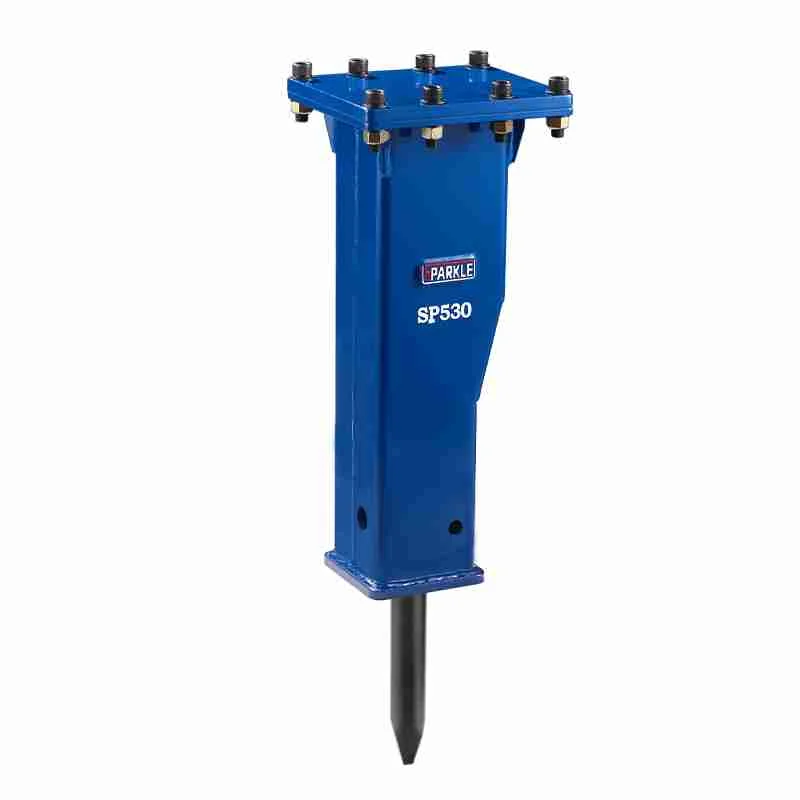
155 kg silent breaker, 53 mm tool and 25–50 L/min for 2.5–4.5 t carriers.
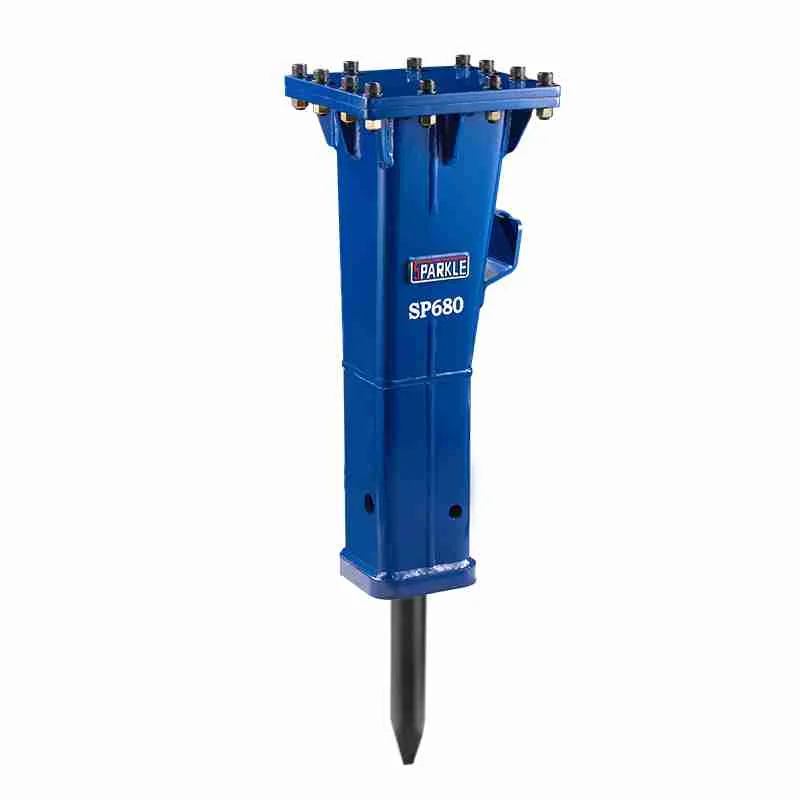
361 kg silent breaker, 68 mm tool and 40–70 L/min for 4–7 t carriers.
Send your machine model, required quantity and destination. Add installation items, wear parts and service quantities to the same inquiry.