
Excavator Hydraulic Main Pumps & Components
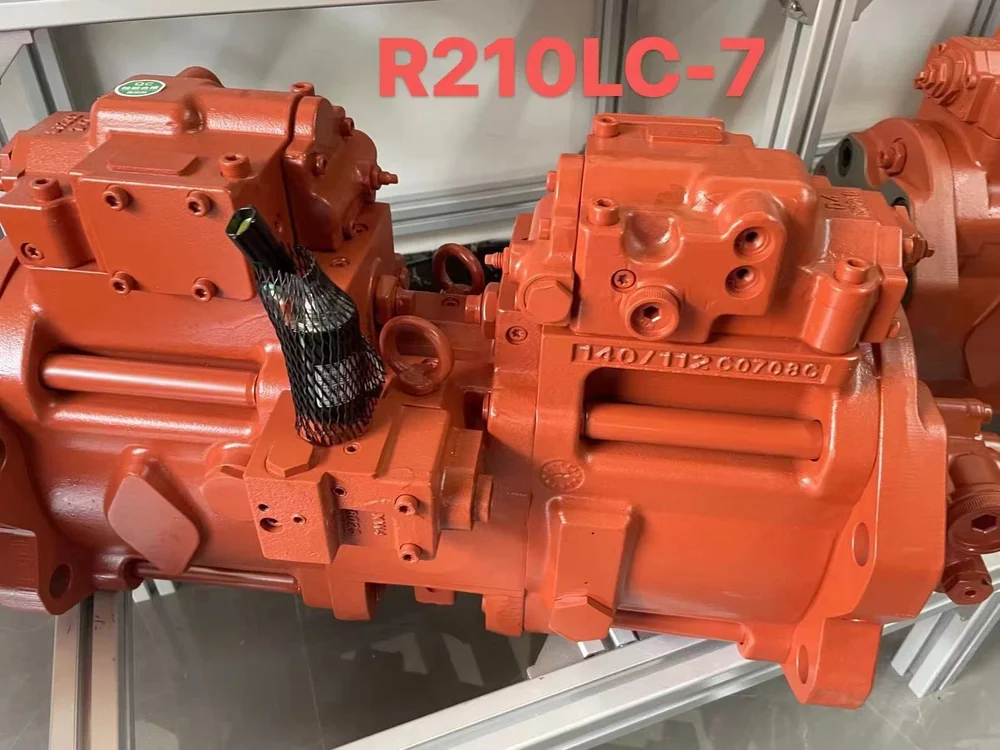
Hyundai R210LC-7 Main Pump — LKC K3V112DT-9C32
LKC tandem main-pump assembly for Hyundai R210LC-7, with 9C32 configuration and 70 × 30 × 30 cm shipping package.
R210LC-7 · 9C32 suffix
PRODUCT CATEGORY
Source replacement main pumps and hydraulic components by complete assembly number. Compare K3V112 configurations, PC200 generation pumps and the supplied controls and installation parts.
| Product | Machine | Pump format | Control configuration | Shipping package |
|---|---|---|---|---|
| K3V112DT-9C32 | Hyundai R210LC-7 | DT: tandem double pump | 9C32 configuration | 70 × 30 × 30 cm · 150 kg gross |
| K3V112DTP-0E11 | Sany SY205 / SY215 | DTP: tandem with PTO | 0E11 electronic control | 60 × 30 × 30 cm · 150 kg gross |
5 products
LKC tandem main-pump assembly for Hyundai R210LC-7, with 9C32 configuration and 70 × 30 × 30 cm shipping package.
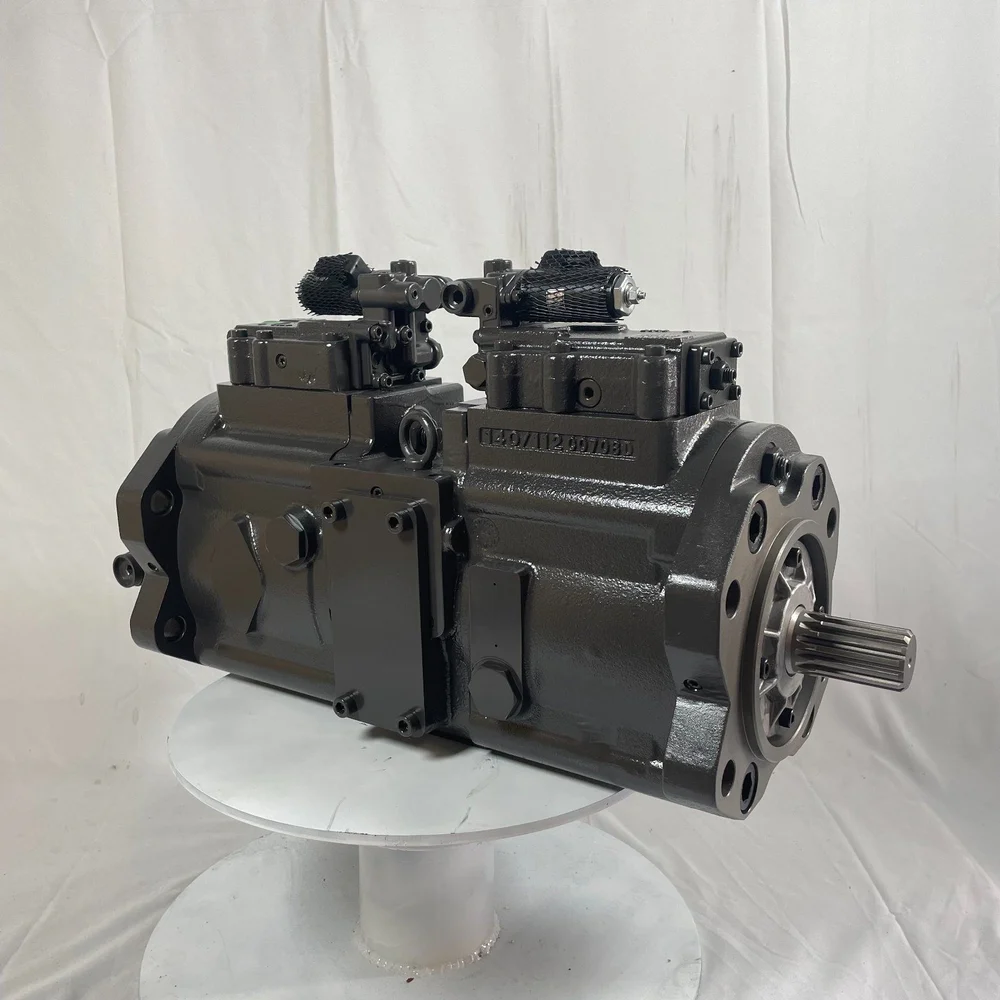
LKC tandem/PTO pump for Sany SY205 / SY215, with 0E11 electronic-control configuration.
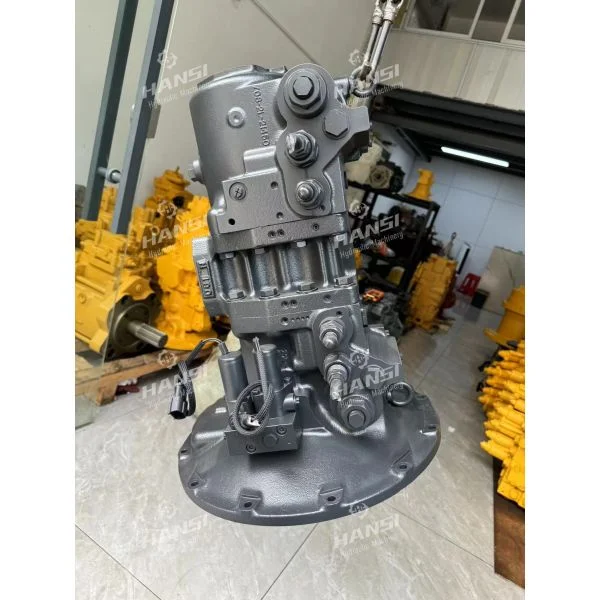
Complete HPV95 tandem main-pump purchase for the PC200-6 generation, with regulator, input-drive and hydraulic-port arrangement.
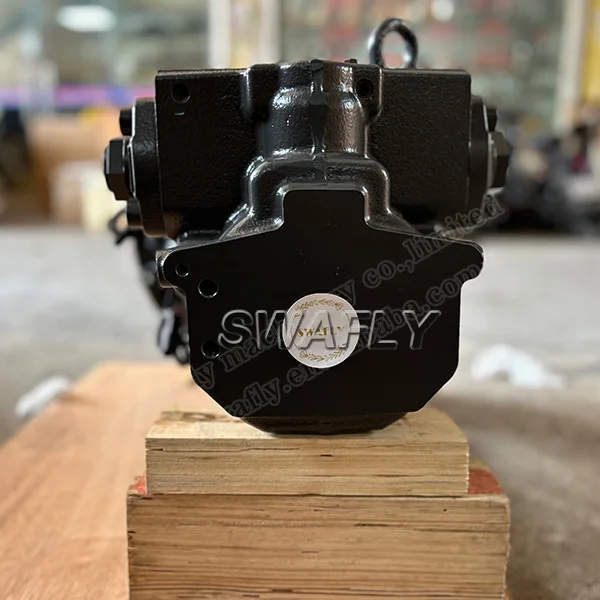
Complete HPV95 tandem main-pump purchase for the PC200-7 generation, with regulator, input-drive and hydraulic-port arrangement.
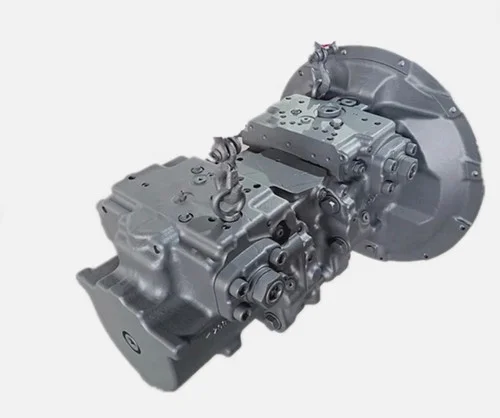
Complete tandem main-pump purchase for the PC200-8 generation, with regulator, input-drive and hydraulic-port arrangement.
Send the part number or describe the equipment you need.
Send a sourcing requestK3V112 is a series name. The DT or DTP designation and full suffix keep the assembly identity intact. Add regulator, shaft, flange and port views to the model when ordering a replacement.
Put installation seals, required control parts and hydraulic maintenance filters alongside the pump assembly. A pump-only line and a complete repair purchase represent different orders.
The pump format identifies the mechanical layout. DT is tandem; DTP adds a PTO provision. The suffix and regulator identify the selected control arrangement. Compare these fields before treating two K3V112 offers as equivalent.
Compare the complete assembly, regulator, installation seals, packing and freight. A rotating group is a workshop rebuild purchase rather than the complete replacement pump.
| Line | Purchase detail |
|---|---|
| Pump assembly | Full DT/DTP model and suffix |
| Control arrangement | Regulator, connector and control ports |
| Installation items | Seals and connection items |
| Maintenance | Hydraulic service filters |
| Shipment | Individual package, gross weight and destination |
A K3V112 name and a PC200 model identify different parts of the order. The complete assembly number selects the pump; the regulator, drive and port arrangement complete the installed package.
| Pump | Machine | Assembly | Control / delivery |
|---|---|---|---|
| K3V112DT-9C32 | Hyundai R210LC-7 | K3V112DT-9C32 | Tandem DT; 9C32 regulator arrangement |
| K3V112DTP-0E11 | Sany SY205 / SY215 | K3V112DTP-0E11 | PTO provision; 0E11 electronic control |
| 708-2L-00461 | Komatsu PC200-6 | 708-2L-00461 | Complete pump and selected regulator |
| 708-2L-00300 | Komatsu PC200-7 | 708-2L-00300 | Complete pump and selected regulator |
| 708-2L-00490 | Komatsu PC200-8 | 708-2L-00490 | Complete pump and selected regulator |
A main-pump order identifies the assembled pump, regulator and drive / connection arrangement. A hydraulic-motor purchase can cover the motor itself or a complete geared unit. A valve purchase can cover a bank, cartridge or coil. Keep each assembly scope and its installation items on separate quotation lines.
The Cat 320-A / 320L and 320C main-pump entries use 114-0602 and 173-3381. These hydraulic assembly numbers belong to a different repair from an engine fuel-injection pump. Add the machine generation, full component plate and supplied condition to the purchase list.
The excavator main hydraulic pump is driven straight off the engine flywheel through a flexible coupling. On most crawler excavators in the 20-tonne class it is a tandem, variable-displacement axial piston pump: two pumping groups on one shaft, each with its own swash plate, feeding separate halves of the main control valve. A small gear pump mounted on the back, or driven through a power take-off, supplies pilot oil for the joystick and valve controls.
The regulator is what makes one pump different from another of the same size. It changes swash-plate angle so that the pump delivers the flow the operator asks for without overloading the engine. Depending on the machine, it responds to delivery pressure, to a pilot or negative-control signal from the valve, and to an electronic current from the machine controller through a proportional solenoid.
Excavator hydraulic parts fall into a small number of circuits. Knowing which circuit a fault sits in narrows the order quickly and keeps unrelated assemblies off the quotation.
| Component | Job in the circuit | Typical purchase identity |
|---|---|---|
| Main pump | Converts engine power into oil flow for all work and travel | Complete assembly number from the nameplate |
| Pilot pump | Supplies low-pressure control oil for joysticks and valve shifting | Gear-pump number, or as part of the main pump |
| Main control valve | Directs flow to each cylinder and motor | Valve-bank number plus section count |
| Swing and travel motors | Turn the upper structure and the tracks | Motor or geared-unit number, side for travel |
| Cylinders | Boom, arm and bucket movement | Cylinder number, or bore and rod for a seal kit |
| Centre swivel joint | Carries oil from the upper to the undercarriage | Swivel-joint number and port count |
| Hoses, filters and coolers | Connect, clean and cool the oil | Hose ends and length, filter number, cooler number |
Valve banks, relief cartridges and pilot valves are covered on the main and pilot valve page, and boom, arm and bucket assemblies on the hydraulic cylinder page.
Excavator pump accessories are the small parts that turn a bare pump into a working installation. Missing one of them stops the job on the day the pump arrives, so they belong on the same purchase list.
| Accessory | Why it is ordered | What to check |
|---|---|---|
| Drive coupling or damper | Transfers engine torque into the pump shaft and absorbs shock | Rubber element cracking, worn spline, hub part number |
| Flange O-rings and seals | Seal suction, delivery and case-drain connections | Size and material for each flange; never reuse old O-rings |
| Pilot (gear) pump | Supplies control oil; may be a separate assembly | Whether it is included in the main-pump scope |
| Regulator | Sets flow and power limits | Whether it ships fitted, and its own number |
| Proportional solenoid valve | Converts controller current into a pump control signal | Connector type and coil marking |
| Pressure sensors | Report pump delivery pressure to the controller | Thread, connector and sensor range on the body |
| Suction hose and clamps | Feed oil from the tank without drawing in air | Hose condition; a soft or cracked suction hose causes cavitation |
| Hydraulic filters | Catch debris from the failed pump | Return, pilot and drain filters for the same machine |
Komatsu main-pump numbers share the 708-2L prefix across many machines and generations. Searches for numbers such as 708-2L-00500 or 708-2L-00400 are common, and the numbers look close to the three PC200 pumps listed here. That closeness tells you the family, not the fit. The final digits can change the regulator, the solenoid and connector, the shaft spline, the port threads, the pilot pump arrangement or the machine generation the pump was built for.
This page does not treat any 708-2L number as a substitute for another. The plate on the installed pump and the machine serial number decide the order. If the plate reads a number that is not listed, send it as a sourcing request rather than choosing the nearest listed pump.
A main pump is an expensive part to replace on a guess. Several common symptoms are caused by suction problems, pilot pressure, the regulator signal or the engine, so check the cheaper causes first and follow the service manual for test points and pressure limits.
| Symptom | Possible cause | First check |
|---|---|---|
| All functions slow | Low pilot pressure, regulator signal fault, pump wear | Pilot pressure, controller fault codes, then flow test |
| Whining or rattling from the pump | Cavitation or air drawn into suction | Oil level, suction hose, tank breather, suction strainer |
| Engine stalls or bogs under load | Regulator or power-control fault, engine output | Engine speed under load, solenoid current, fault codes |
| One side of the machine weak | One pump group of a tandem pump | Compare front and rear pump pressures and flows |
| Bright metal in the return filter | Internal wear in pump or a motor | Cut open filters, identify the source before buying |
| Oil overheating | High internal leakage or cooler blockage | Cooler fins, fan, case drain flow |
Always relieve stored pressure as the operator’s manual describes before opening a test port, and connect gauges only to the ports the manual specifies. Accumulators in the pilot circuit can hold pressure after the engine stops.
A replacement pump fitted into dirty oil can fail within hours. If the old pump broke up internally, debris has travelled through the valve, the coolers and the hoses. The cleanup is part of the repair, and the machine manufacturer’s commissioning procedure takes priority over the general sequence below.
A failed main pump can be handled three ways, and the choice depends on the damage, the downtime the job can accept and the workshop’s equipment.
| Route | What is bought | Suits |
|---|---|---|
| Workshop rebuild | Rotating group, valve plates, bearings and a pump seal kit | Workshops with a clean bench, test equipment and time to strip the pump |
| Regulator repair | Regulator parts or a complete regulator assembly | Machines where tests show the pump groups are sound but control is wrong |
| Complete replacement | Full pump assembly to the plate number | Pumps with housing damage, scored bores, or jobs where downtime matters more |
A rebuild only makes sense when the housing, shaft bores and swash-plate seats are within the manufacturer’s limits. If the casing is cracked or the shaft spline has worn through, the complete assembly is the safer purchase. Either way, the cleanup and commissioning steps above still apply.
Hydraulic parts suppliers vary in what they mean by a pump. One quotation may be a complete assembly with regulator and pilot pump, another a pump without the gear pump, and a third a rotating group for a workshop rebuild. A useful hydraulic parts supply arrangement makes the scope visible on every line.
The PC200 pumps on this page are three generations of one machine. The Komatsu PC200 parts page sets them beside the rollers and cylinder seal kits for each generation, which helps when one service visit covers several assemblies.
A pump failure rarely touches only the pump. Cylinders that ran with contaminated oil may need new seals, hoses damaged by pressure spikes need replacing, and every filter in the system should be new before the replacement pump starts.
Listing these lines with the pump keeps the repair on one schedule. It also shows the installer which parts are in the delivery and which must come from the machine owner’s own stock.
Functionally it gives two independent flows, but it is one assembly on one input shaft with a shared housing and often a shared regulator body. On most medium excavators each pump group feeds one half of the control valve. A tandem pump is ordered as one assembly number; the two groups are not normally bought separately unless the workshop is rebuilding the rotating groups.
It depends on the assembly. Some complete pump numbers include the gear pump, others leave it as a separate part, and a rotating group never includes it. Check the scope on the quotation and photograph the back of the installed pump so the gear pump’s presence and mounting are clear.
Not without engineering confirmation. The regulator decides how the pump answers the controller, the valve signals and the engine’s power limit. A different regulator can bolt on and still give the wrong flow, overload the engine or set fault codes. Match the regulator to the installed assembly and machine serial number.
The common causes are debris left in the system from the old failure, air in the suction line, a dry pump case at first start, a worn drive coupling, and incorrect pressure settings. Cleaning the tank, replacing every filter, pre-filling the case and following the manufacturer’s start-up procedure address most of them.
A model name can cover several generations, serial ranges and pump suppliers, and pumps are sometimes replaced during the machine’s life. The nameplate records the assembly actually fitted. Use both: the plate for the assembly and the serial number to confirm the machine generation.
Send clear photos of the complete nameplate, the regulator, the shaft end, the mounting flange and the port face, together with the machine model and serial number. Add the purchase scope and the condition you will accept. A sourcing request with those details can be checked against the plate without guessing.
Send your machine model, required quantity and destination. Add installation items, wear parts and service quantities to the same inquiry.