
Excavator Hydraulic Breakers
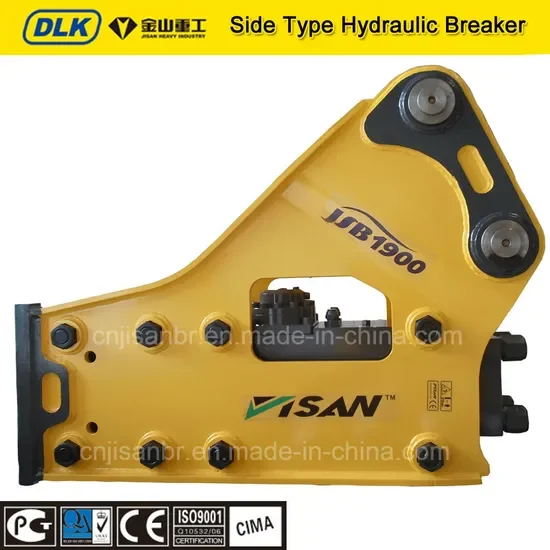
JISAN SB81 Hydraulic Breaker — JSB1900S Side Type
140 mm tool, 130–170 L/min oil flow and 1, 898 kg working weight in the JSB1900S side-type configuration.
140 mm tool · 130–170 L/min
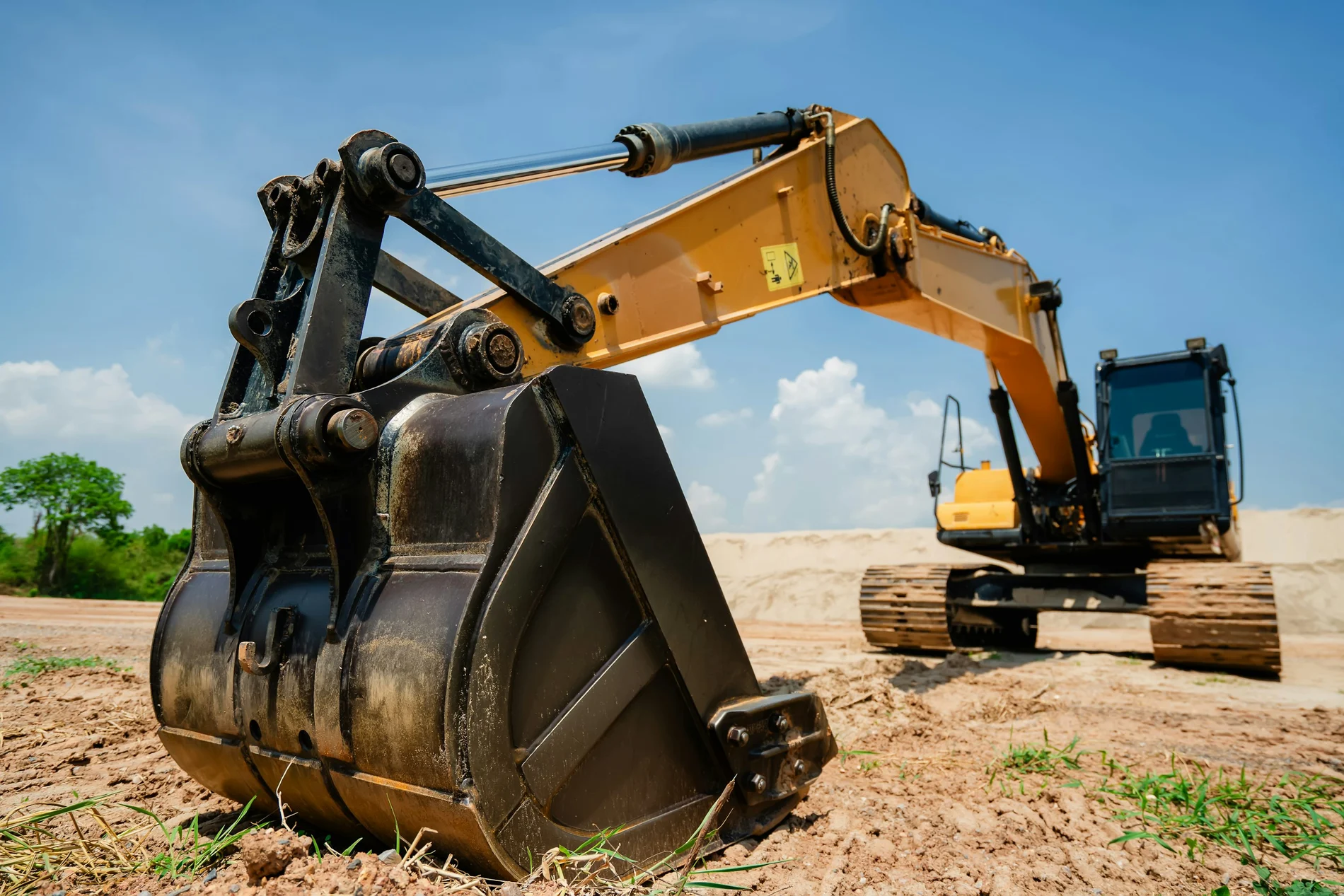
EXCAVATORS · WHEEL LOADERS · SKID STEERS
Hydraulic breakers, buckets and quick hitches. Replacement pumps, tracks and cylinder seals. Quote individual products or an attachment with its mounting, hoses and spares.
Attachment packagesBody, mounting, hoses and working tools
Parts by complete numberMachine generation and component position
Mixed equipment ordersAttachments, wear parts and maintenance items
ATTACHMENTS & REPLACEMENT PARTS
Choose a working tool, a replacement part or several products for the same delivery.
140 mm tool, 130–170 L/min oil flow and 1, 898 kg working weight in the JSB1900S side-type configuration.
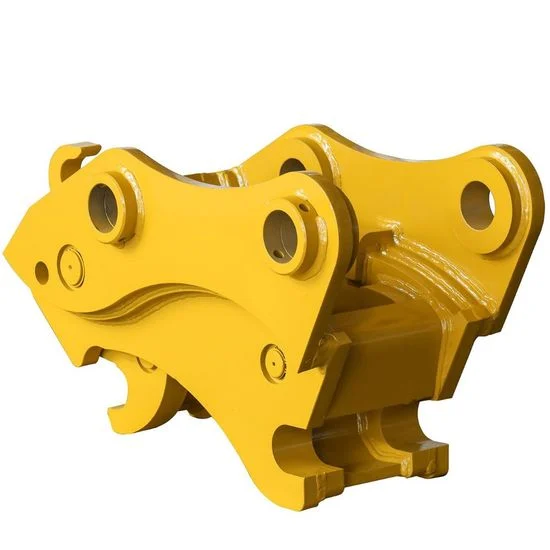
P-type quick hitch: 380–420 mm pin centres, 232–315 mm arm width and 220–250 kg weight.
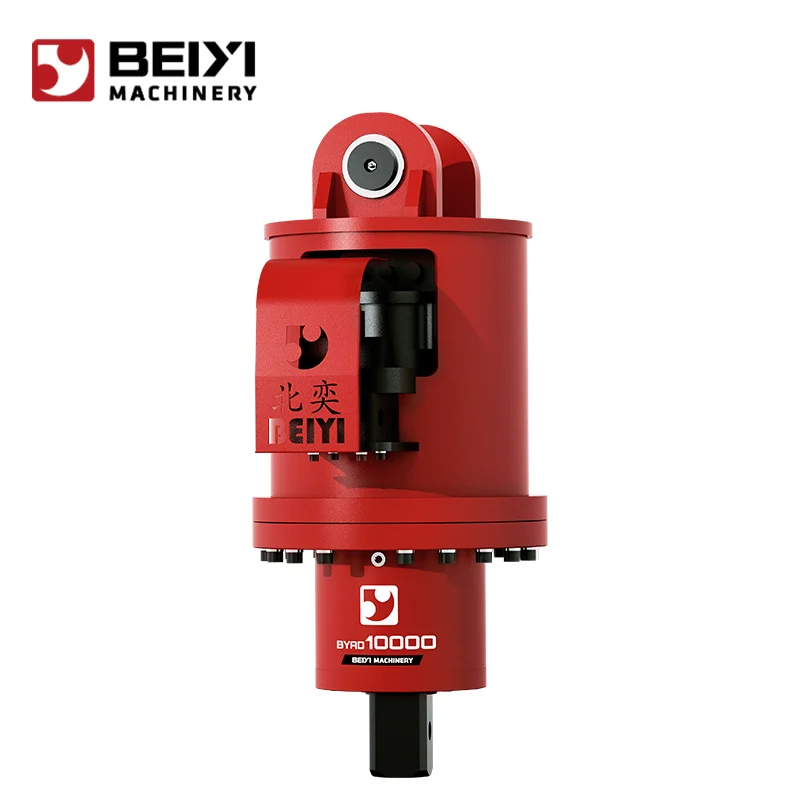
2–6 tonne excavators, 1094–4117 Nm torque and 25–92 L/min flow.
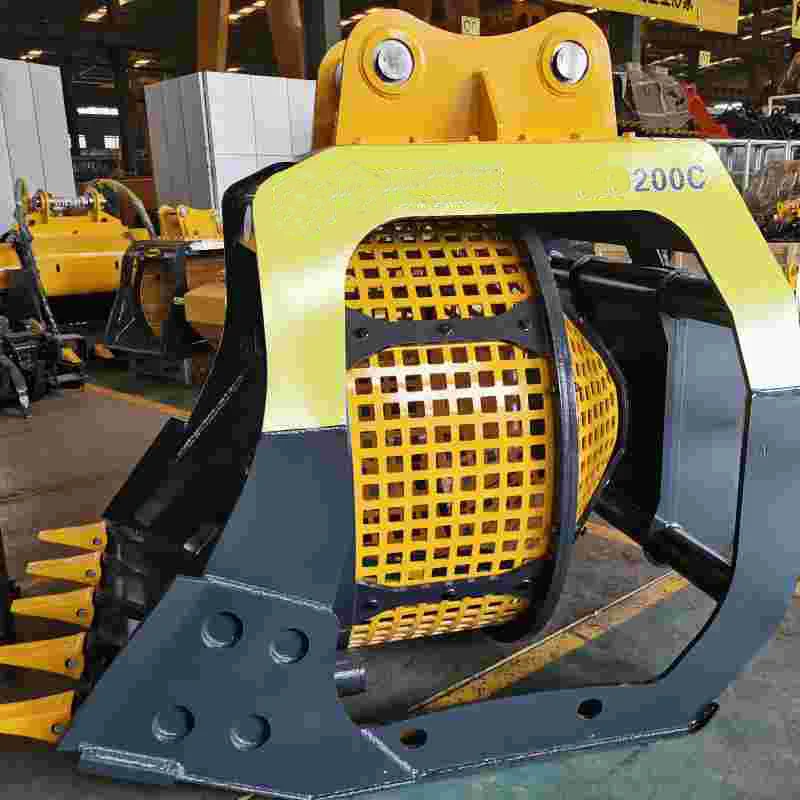
1350 mm drum, 1920 kg attachment and 110 L/min flow for larger soil-and-stone handling.
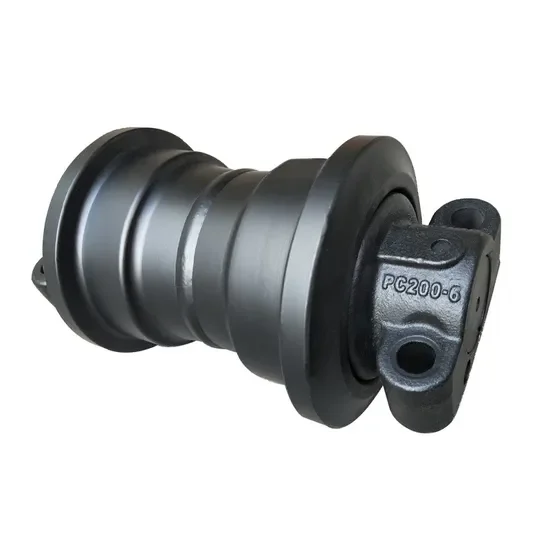
Replacement lower track roller for the PC200-7 undercarriage, with roller-body, shaft and seal-group assembly.
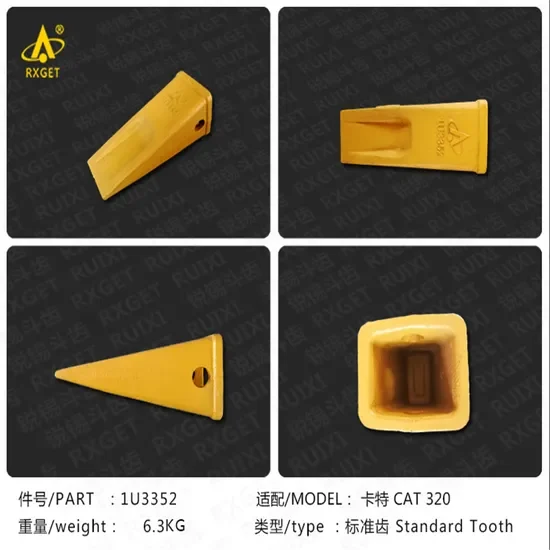
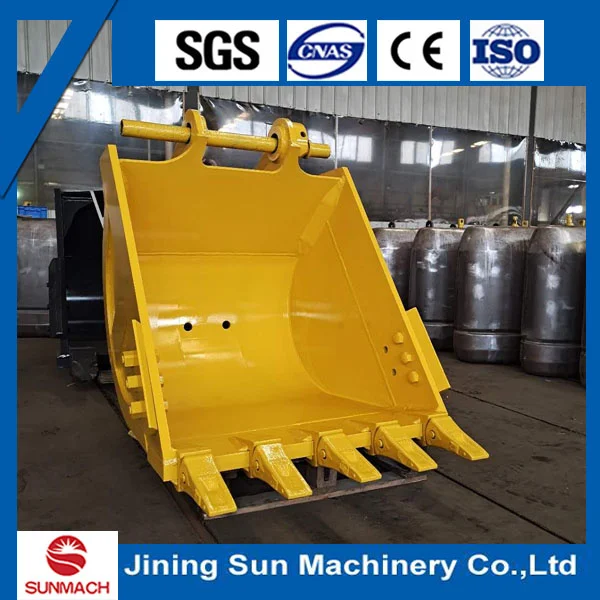
6.2 kg cast long tooth for the J350 side-pin system; teeth-only, retaining sets and adapter orders.
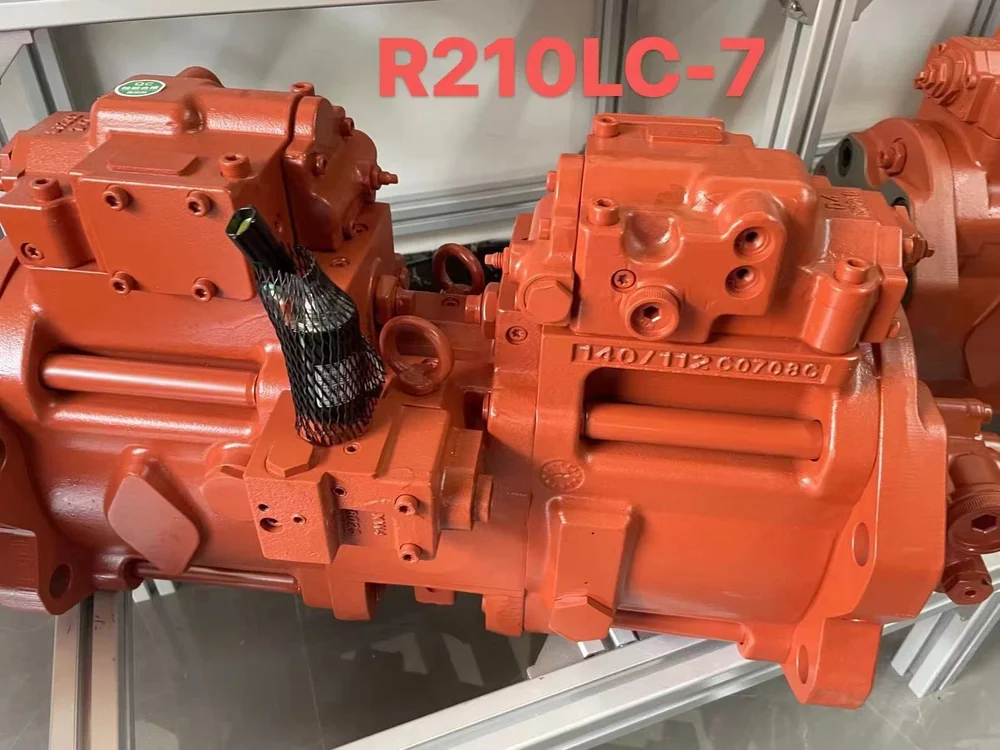
LKC tandem main-pump assembly for Hyundai R210LC-7, with 9C32 configuration and 70 × 30 × 30 cm shipping package.
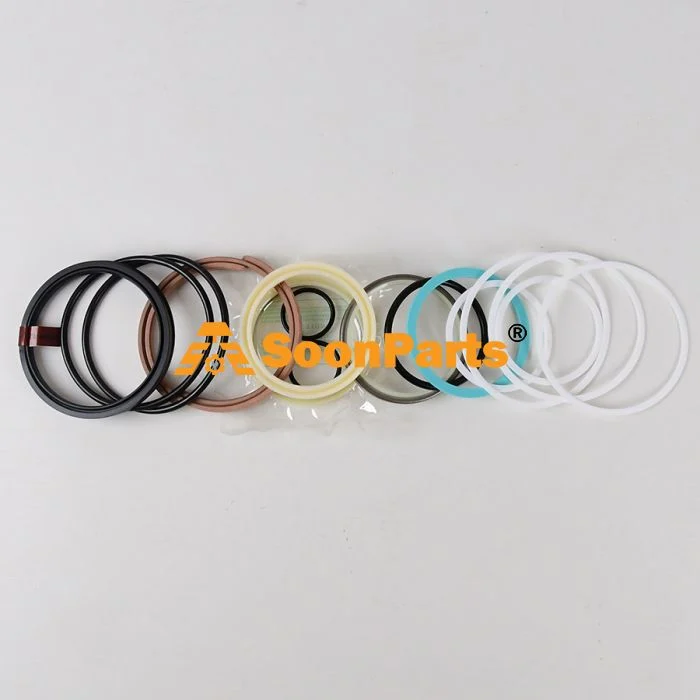
Arm-cylinder repair package, 95 mm rod / 135 mm bore, with rod, buffer, wiper, piston and static-seal groups.
PRODUCT CATEGORIES
COMPARE THE NUMBERS
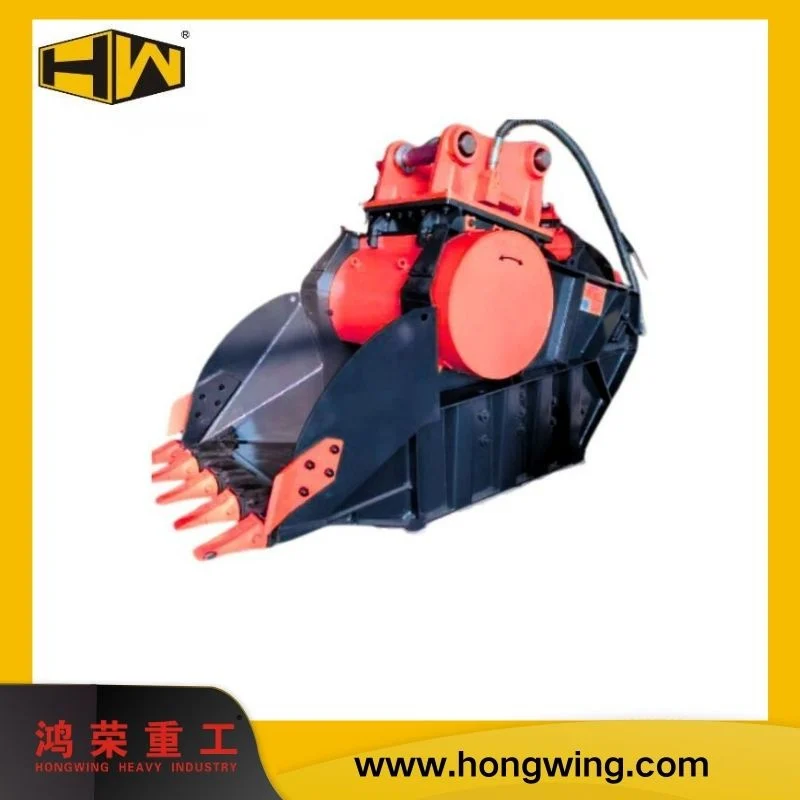
The PAB range moves from a 610 mm drum on compact machines to a 1,350 mm drum on the 18–23 tonne class. Compare the excavator, attachment mass and hydraulic circuit together.
PARTS BY MACHINE & CYLINDER POSITIONKOMATSU PC200 PARTS
A cylinder kit is identified by its position and rod/bore dimensions. The 707-99-47790 boom entry uses 90/130 mm; the 707-99-57160 arm entry uses 95/135 mm.
| Product | Cylinder position | Rod diameter | Bore diameter |
|---|---|---|---|
| 707-99-47790 | Boom | 90 mm | 130 mm |
| 707-99-57160 | Arm / dipper | 95 mm | 135 mm |
WORKING TASKS
Plan breaking, crushing, screening and material reuse around the excavator and the final aggregate.
Equipment & working sequence 02Choose a breaker, ripper and bucket sequence for resistant ground, loading and aggregate handling.
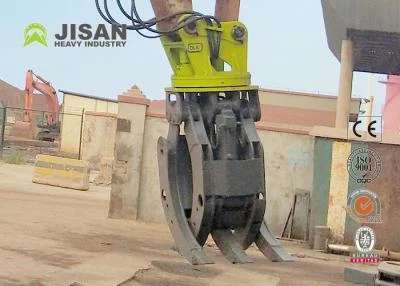
Equipment & working sequence 03Compare fixed and rotating grabs for pickup, truck alignment, stacking and yard movement.
Equipment & working sequence 04Combine an auger drive, tilt bucket and compact screener around the hole, finished grade and reused material.
Equipment & working sequence 05Choose the screening mechanism, target fraction and excavator together, then plan feed and stockpiles.
Equipment & working sequenceEvery product on the site sits in one of two groups. Working tools for excavators, wheel loaders and skid steers are under hydraulic and mechanical attachments. Components that keep a machine running — rollers, teeth, pumps, seal kits, filters, hoses and engine parts — are under machinery replacement parts. The same products can also be reached from the machine or from the job, which helps when you know the excavator but not yet the category.
| Entry point | Start here when | Have this ready |
|---|---|---|
| Attachment category | You know the tool type: breaker, bucket, hitch, grapple, auger, screener | Carrier weight, pin data, auxiliary flow and pressure |
| Parts category | You hold a part number or know the failed component | Complete number from the plate or casting, quantity |
| Machine | You start from a PC200, 320D, 3CX, 310P or Bobcat | Full model, generation and serial number |
| Application | You start from the material and the result | Material, target size or finish, carrier available |
Earthmoving attachment tools and service parts often end up on one quotation. A screening bucket can sit beside spare screen sections; a main pump beside its filters and flange seals. Each keeps its own line and identity.
Most hydraulic excavator attachments fail to perform for one of three reasons: the oil flow is outside the tool’s window, the circuit type is wrong, or the mounting does not match the stick. Check all three before comparing models.
The bucket pin and hitch measuring guide shows where to put the calliper, and the quick coupler range lists pin-centre and arm-width windows for hitch orders.
An attachment keeps working only as long as its wear parts are replaced on time. Breakers wear tool bushes, retaining pins and working tools. Buckets wear teeth, adapters and side cutters. Grapples and thumbs wear pins, bushes and cylinder seals. Screening and crusher buckets wear screens, jaws and bearings.
Order a first set of fast-wearing items with the attachment and record each part number against the attachment model. That record is what makes repeat orders quick, and it lets a workshop near the job match standard items such as tooth systems, JIC hose ends or filter numbers when time matters. The part identification guide explains how to read plates and casting numbers, and the support page lists the details to send with a service request.
A dealer replenishing several products follows the same list with one line per number. If you are unsure which category a part belongs to, start from the machine pages and the full model.
Send the machine make, full model and operating weight, the mounting type with pin diameter and pin centres, and the auxiliary circuit details: one-way or two-way, flow and relief pressure. Add the attachment model you are considering and any spares you want with it. Photos of the stick end, the existing hitch and the machine plate remove most of the follow-up questions.
Yes. One inquiry can hold an attachment, its mounting and hose kit, and unrelated machine parts such as rollers, filters or seal kits. Each product keeps its own line with model or part number and quantity, and packing and delivery lines follow at the end, so the list stays readable when it is repeated later.
Ask which wear and service items are standard before you buy. Widely used tooth systems, JIC hose ends and filters identified by a full number can often be matched by a nearby stockist. Order the first set of proprietary items, such as breaker bushes or grapple seals, with the attachment and keep their numbers on file.
Dealer replenishment orders are handled as a list of individual products, each with its own number and quantity, rather than as an unnamed kit. Typical mixes are bucket teeth with matching pins and retainers, filters by number and seal kits by cylinder position. Send the full list in one inquiry.
Carrier weight class, auxiliary flow and pressure, circuit type and mounting. The attachment’s published carrier range is the starting point; the hydraulic window must then overlap what the machine delivers at the auxiliary outlet. A tool can be the right weight and still run poorly on the wrong flow.
FIELDWORK SUPPLY
A breaker order can include the hammer, bracket, hoses, working tools and seal kit. A dealer order can combine tooth systems, rollers and filters. Add the products and quantities, then the machine and delivery destination.
How FIELDWORK handles equipment purchasesSend your machine model, required quantity and destination. Add installation items, wear parts and service quantities to the same inquiry.