
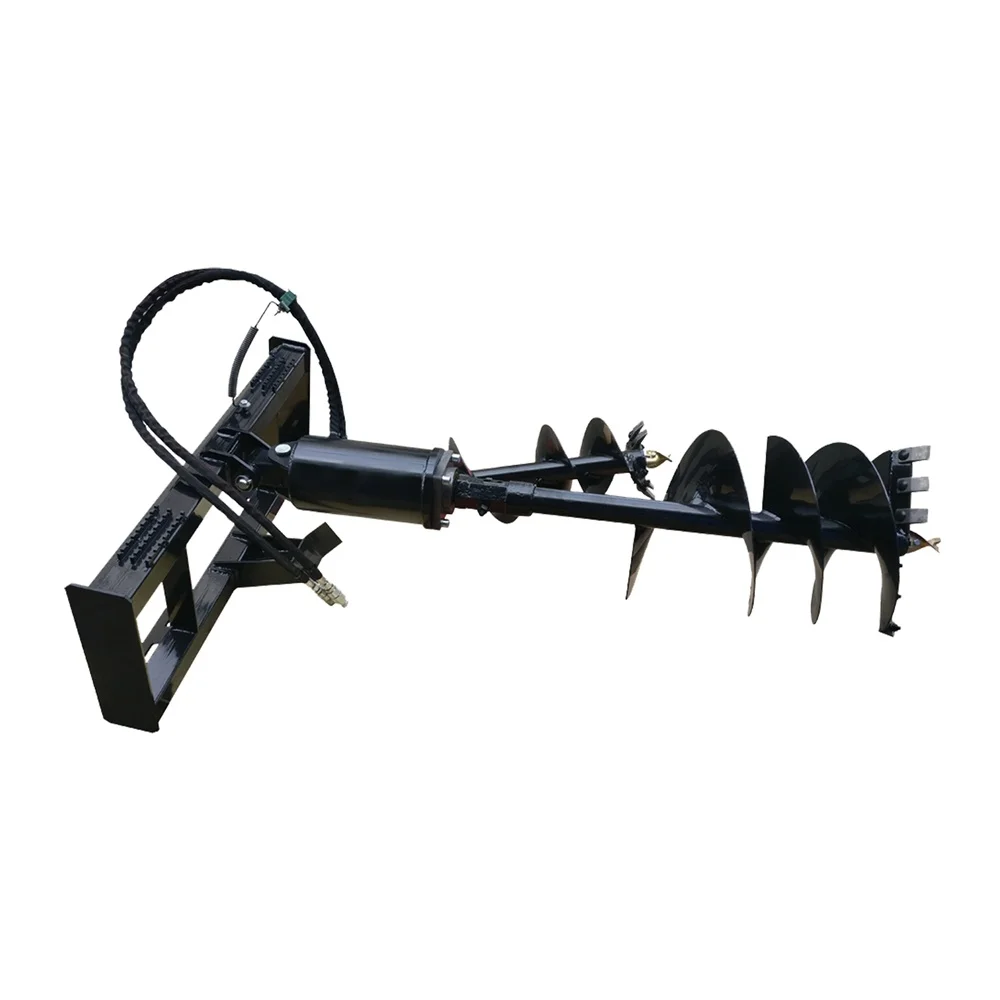
Skid Steer Augers
Wolverine ADB-13-1218R Skid-Steer Auger Drive & Two-Bit Package
Skid-steer mounted drive, 12- and 18-inch bits, 2.56-inch round output and 8–20 US gpm circuit.
2.56 in round
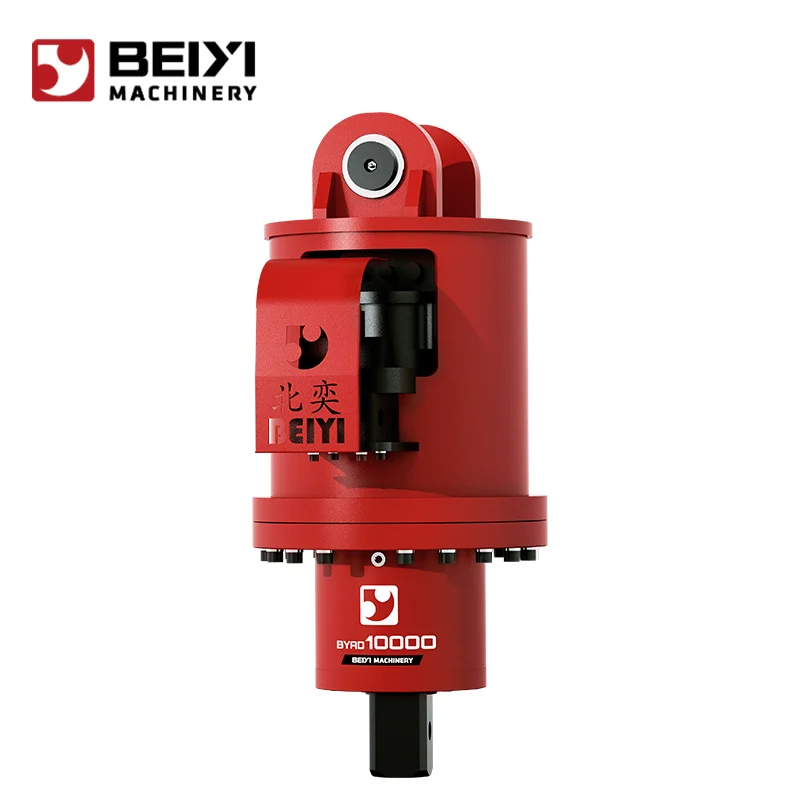
Excavator Auger Drives & Earth Drilling Tools
BY-AD60 is a hydraulic earth-drill drive for 2–6 tonne excavators. Its 65 mm round output shaft connects the drive to the auger; the drive weighs 110 kg. The operating range is 25–92 L/min at 80–240 bar, delivering 1, 094–4, 117 Nm torque. Choose the drilling tool for soil, clay or soft rock alongside the drive.
| Model / part number | BY-AD60 |
|---|---|
| Excavator weight | 2–6 t |
| Torque | 1094–4117 Nm |
| Oil pressure | 80–240 bar |
| Oil flow | 25–92 L/min |
| Rotation speed | 30–68 rpm |
| Output shaft | 65 mm round |
| Drive weight | 110 kg |
| Maximum clay/shale auger diameter | 300 mm |
| Maximum earth auger diameter | 500 mm |
The drive operates within 80–240 bar and 25–92 L/min, with a 1, 094–4, 117 Nm torque range and 30–68 rpm rotational range. Oil pressure acts through the motor and gearbox to produce torque; oil flow affects motor speed. Specify the excavator’s auxiliary circuit at the drive so the selected auger can cut and clear material.
| Parameter | Model configuration |
|---|---|
| Output connection | 65 mm round shaft |
| Empty drive mass | 110 kg |
| Earth auger diameter | Up to 500 mm |
| Clay / shale auger diameter | Up to 300 mm |
| Carrier class | 2–6 tonne excavator |
The pilot starts the centre of the hole and the teeth cut its perimeter. Earth teeth suit soil excavation; carbide-equipped tooling addresses more abrasive ground; a soft-rock auger uses rock teeth and its corresponding pilot. A 300 mm hole in clay and a 500 mm earth hole are separate tooling selections for this drive.
| Ground | Tool assembly | Repeat-purchase parts |
|---|---|---|
| Soil | Earth auger and pilot | Earth teeth and pilot |
| Abrasive ground | Wear-resistant / carbide-equipped auger | Carbide teeth and holders |
| Soft rock | Soft-rock auger and rock pilot | Rock teeth and pilot |
The 65 mm round output shaft fixes the auger connection. The hole diameter comes from the auger cutting diameter; the digging depth comes from the auger length and any extension. List extensions by length and connection, then check the excavator’s lifting height against the assembled drill string so the auger can be extracted and emptied.
For fencing, place the common post-hole diameter on the first auger line. Add another diameter or an extension for a different job, plus a tooth-and-pilot kit matched to each drill. The mounting bracket and hydraulic hose pair remain part of the drive package; drill tools are separate physical assemblies.
A 65 mm round shaft is about 2.56 inches. A 2½-inch round shaft is 63.5 mm; a hex drive is another profile. An existing auger order records the socket diameter/form, pin bore and retention position. An earth tool up to 500 mm and a clay/shale tool up to 300 mm are separate BY-AD60 selections.
| Nominal requirement | Metric diameter | BY-AD60 tooling route |
|---|---|---|
| 6 inch hole | 152.4 mm | Earth tool and selected pilot |
| 12 inch hole | 304.8 mm | Choose the actual ground/tool diameter; published clay/shale limit is 300 mm |
| 18 inch hole | 457.2 mm | Within the published 500 mm earth-tool diameter |
| 500 mm earth hole | 19.69 in | Selected earth auger, length and connection |
The BY-AD60 is published for 2–6 tonne excavators, but the weight class only narrows the search. What decides whether the drive performs is the oil the machine actually delivers at the auxiliary couplers and the weight it can hold at drilling reach.
| Check | BY-AD60 figure | How to confirm on the machine |
|---|---|---|
| Auxiliary flow | 25–92 L/min | Flow-meter test at the dipper couplers at working engine speed, or the auxiliary setting in the carrier manual |
| Auxiliary relief | 80–240 bar | Relief setting from the carrier data or a pressure test; it caps the torque the drive can produce |
| Flow direction | Two-way rotation needed | Confirm the auxiliary can be switched to bi-directional, not hammer-only one-way |
| Drive mass | 110 kg without auger | Add bracket, auger, extension and a full flight of soil, then read the lift chart at drilling radius |
| Output | 65 mm round shaft | Measure the socket of any auger you plan to reuse |
The published torque (1094–4117 Nm) and speed (30–68 rpm) are ranges, and they do not scale in simple proportion with the flow and pressure ranges. Treat them as the envelope of the model, and ask for the expected output at your machine’s measured flow and relief rather than reading a figure off the top of the range.
Example: a 4 tonne mini excavator delivering around 60 L/min at 210 bar sits inside the window on both counts. A machine whose auxiliary gives 20 L/min falls below the minimum flow and will turn the auger too slowly to lift spoil well, whatever its weight class.
Commissioning is straightforward when the bracket and hoses were specified correctly. Follow the BEIYI and excavator manuals where they differ from the outline below.
An auger that reaches depth but cannot be pulled out of the hole is a common ordering mistake on 2–3 tonne machines. Work out the assembled length before choosing auger and extension lengths.
Sticky clay clings to the flight and adds weight that dry loam would shed, so keep drilling close to the tracks on smaller carriers and lift in shorter steps. Extensions add reach, not torque, so a deep hole in heavy ground needs patience rather than more down force.
The drive suits the work a 2–6 tonne excavator does in fencing, landscaping and light construction. The table pairs common tasks with tooling inside the published limits; final diameters depend on the ground and the specification.
| Task | Typical hole | Ground | Tooling note |
|---|---|---|---|
| Post and rail or stock fencing | 150–250 mm | Topsoil and loam | Earth auger with standard teeth and pilot; one extension for strainer posts |
| Signposts and light footings | 200–300 mm | Mixed fill | Wear-resistant teeth if the fill carries stone or old concrete fragments |
| Tree and shrub planting | 350–500 mm | Topsoil | Large earth auger; lift often to keep the flight clear |
| Pier holes in clay | Up to 300 mm | Clay or shale | Clay/shale auger with matched teeth and pilot, within the 300 mm published limit |
| Soft-rock bands | Smaller diameters | Weathered rock | Soft-rock auger and rock pilot; expect slower progress |
Larger fencing and planting programmes are described on the drilling and landscaping applications page, which also covers the excavators and other attachments used alongside an auger.
The drive head needs little routine work, but the few checks it does need are easy to skip on a busy fencing job. Gearbox oil grade and change intervals should come from the drive manual.
| When | Check | Why it matters |
|---|---|---|
| Every shift | Hoses, couplers and fittings for leaks, chafing and dirt | Contamination entering at the couplers damages both the drive motor and the excavator’s hydraulic system |
| Every shift | Auger connection pin and retainer | A lost pin drops the auger in the hole |
| Every shift | Teeth and pilot condition | Blunt tooling raises torque demand and slows drilling |
| Weekly | Bracket and hanger pins, greasing and wear | Play in the hanger lets the auger swing and the hole wander |
| Weekly | Gearbox oil level and output seal | Low oil or a weeping seal points to wear before it becomes a failure |
| Manual interval | Gearbox oil change | Removes wear metal and moisture from the planetary stages |
| Symptom | Likely cause | What to check |
|---|---|---|
| Auger turns but drills slowly | Flow near or below 25 L/min, low engine speed, or worn teeth | Auxiliary flow setting, throttle position, tooth edges |
| Auger stalls in firm ground | Relief pressure reached; ground too hard for the tooling | Relief setting against the 80–240 bar range; switch to clay/shale or soft-rock tooling |
| Hole starts off centre | Worn or missing pilot, or a tight hanger | Pilot point shape; hanger free movement |
| Oil overheats during long drilling runs | Flow above the drive’s rating or a restricted return | Auxiliary flow against 92 L/min; return coupler fully engaged |
| Auger will not reverse | Auxiliary set to one-way flow | Auxiliary mode selection on the excavator |
| Oil at the output shaft | Worn output shaft seal | Stop and inspect before the gearbox runs low |
| Grinding or knocking from the head | Low gearbox oil or bearing wear | Stop drilling; check oil level and contact support |
Stop and investigate rather than drilling on through unusual noise or heat. A gearbox run dry costs far more than the hour spent finding the cause.
The Wolverine ADB-13-1218R skid-steer auger package lists a 2.56-inch round output and an 8–20 US gpm circuit, roughly 30–76 L/min. The BY-AD60’s 65 mm round shaft is essentially the same nominal diameter, and its 25–92 L/min band overlaps that flow.
Other drive heads and earth-drilling tools are listed together on the excavator auger drives category.
The model’s earth-auger selection extends to 500 mm diameter. Its clay/shale selection extends to 300 mm. Choose the tooling against the ground and the machine circuit, rather than treating 500 mm as one limit for every material.
Specify the drive, mounting, hose pair and each auger as separate purchase lines. One drive can be ordered with multiple 65 mm round-shaft drills, extensions and matched wear parts.
An extension adds working reach; it does not change the drive’s torque. Its connection and length need to match the auger and the excavator’s extraction height.
The cutting teeth, holders and centre pilot differ. The wear-parts order follows the selected drill assembly; a generic bag of auger teeth does not describe the complete replacement cutting set.
Its published class is 2–6 tonne. A smaller machine may still deliver enough auxiliary oil, but check it against the 25 L/min minimum, and check the 110 kg drive plus bracket, auger and soil against the lift chart. Light machines also have limited lifting height, which restricts auger length. If the flow is marginal, the auger will turn slowly and clear spoil poorly.
Both are listed with about the same round shaft size: 65 mm on the BY-AD60 and 2.56 inches on the Wolverine drive. Before reusing an auger, confirm the pin-hole diameter and position match, and that the auger is rated for the BY-AD60’s torque. A loader auger rated well below 4117 Nm can twist its flight or socket on this drive in hard ground.
Excess flow overspeeds the drive motor, heats the oil and accelerates seal and bearing wear. Set the auxiliary flow on the excavator to within the drive’s range, which many modern carriers allow through the monitor or a flow-control valve. Where the carrier cannot be adjusted, ask the excavator dealer about limiting flow before connecting the drive.
No. Torque depends on the pressure the circuit can build, and the top of the range relates to the top of the 80–240 bar band. A carrier with a lower auxiliary relief produces proportionally less torque. Ask for the expected output at your measured relief when tough ground or large diameters are planned.
Most flight augers are built to drill turning clockwise when viewed from above, and reverse rotation is used to free a jammed auger or throw off packed soil. Confirm the flight direction of the auger you fit, then test which control direction gives drilling rotation before the first hole, and mark it for other operators.
Keep a spare connection pin and retainer, a set of teeth and a pilot for each auger, and a pair of coupler dust caps. On remote jobs, a spare hose of the right length and end fittings avoids a lost day. Gearbox oil of the grade named in the manual should travel with the machine.
Skid-steer mounted drive, 12- and 18-inch bits, 2.56-inch round output and 8–20 US gpm circuit.
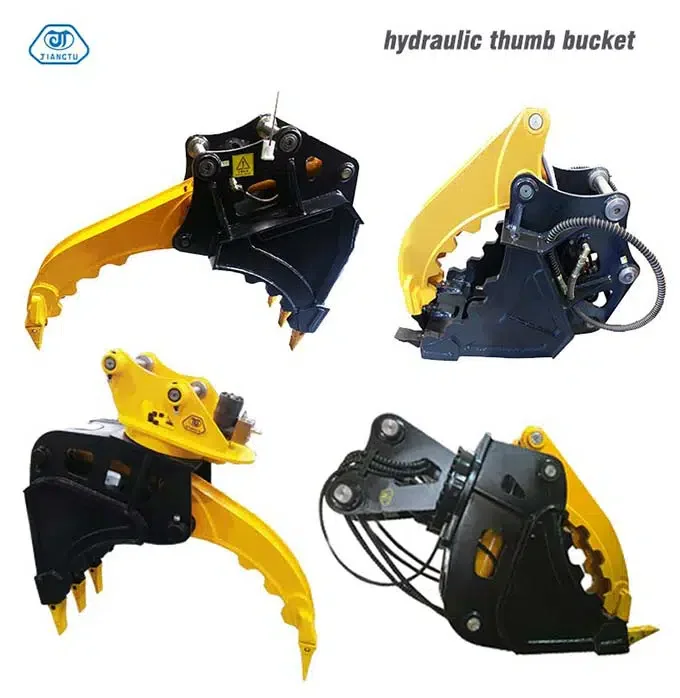
JT01 is a complete hydraulic thumb-bucket assembly with 350/400 mm bucket-width choices, a 900 mm opening and 156 kg weight.
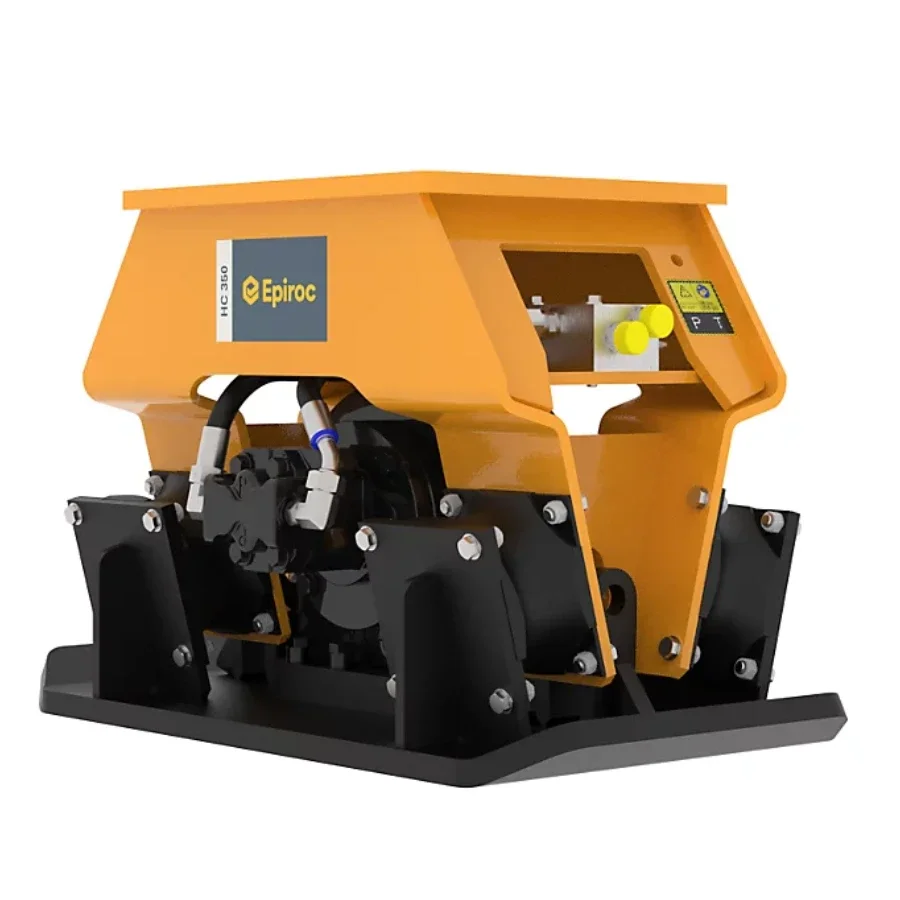
HC350 is a non-rotating compactor for 3–8 tonne carriers, with a 475 × 846 mm plate, 330 kg service weight, 23 kN centrifugal force and 57 L/min oil-flow requirement.
Send your machine model, required quantity and destination. Add installation items, wear parts and service quantities to the same inquiry.