Define the hole and the ground
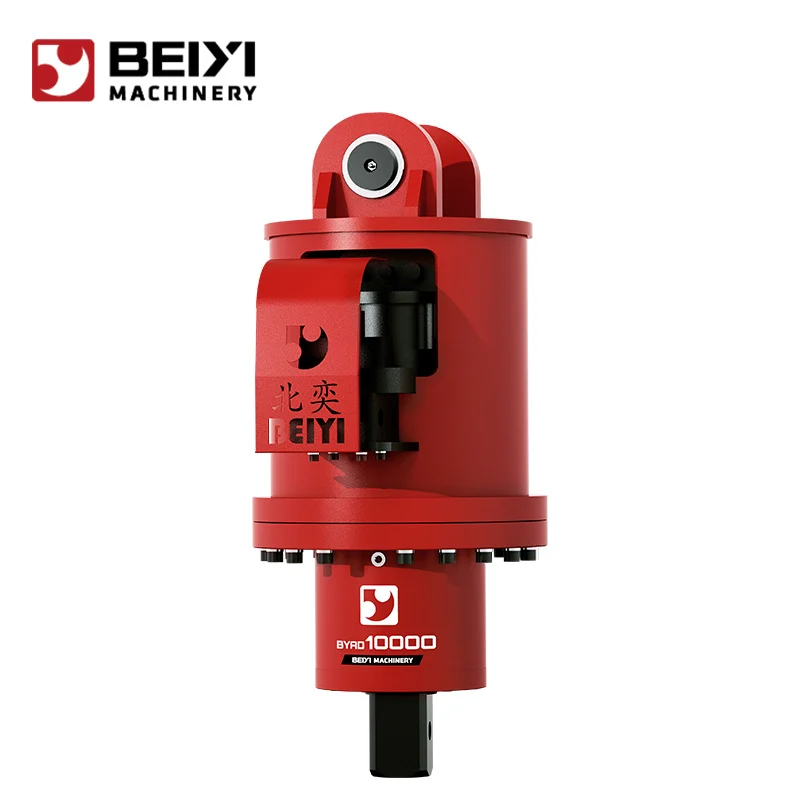
An auger enquiry starts with hole diameter, finished depth and ground conditions. Tell us whether the ground contains loose soil, clay, gravel, weathered rock or solid rock, and whether these change with depth. Photos of a recent excavation or a ground report can help.
For a repeating job such as fence posts or planting holes, include the range of hole sizes and the available working height. This helps determine which drive, auger lengths and extensions to quote together.
Build a complete drilling combination
The drive, auger and mounting connection need to work as a combination. Provide the machine auxiliary flow and pressure along with its make and model. Specify the drive output connection and the auger connection so a shaft shape or size mismatch is identified before ordering.
Tooth and pilot selection depends on the ground. Include a spare tooth set in the enquiry, and ask whether the same drive can serve the other auger diameters on your project.
Plan the work around the hole
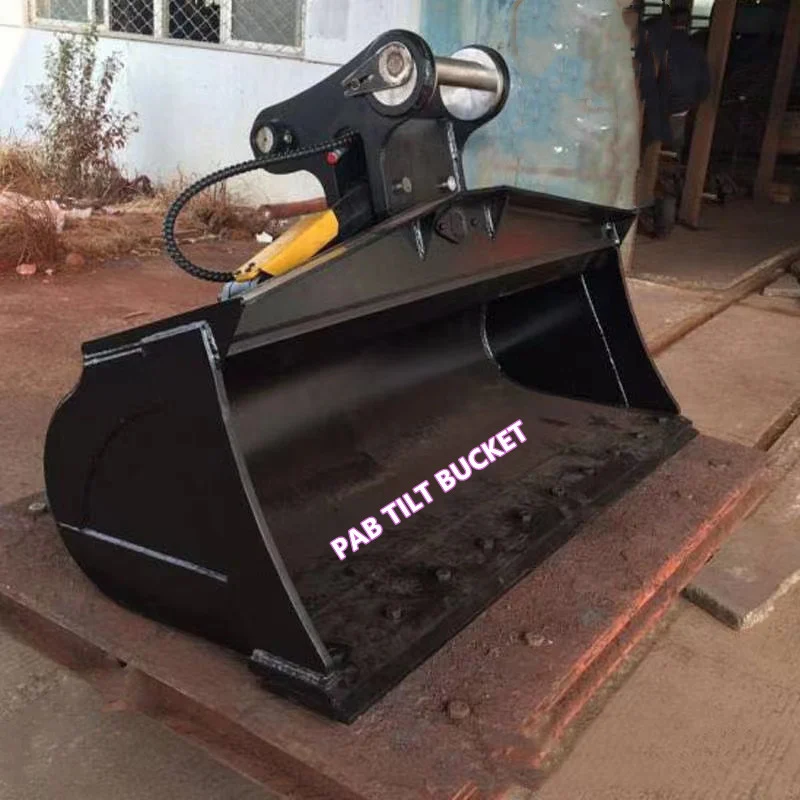
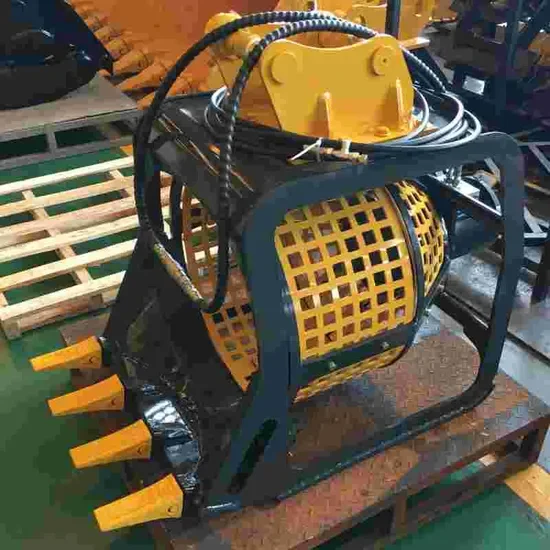
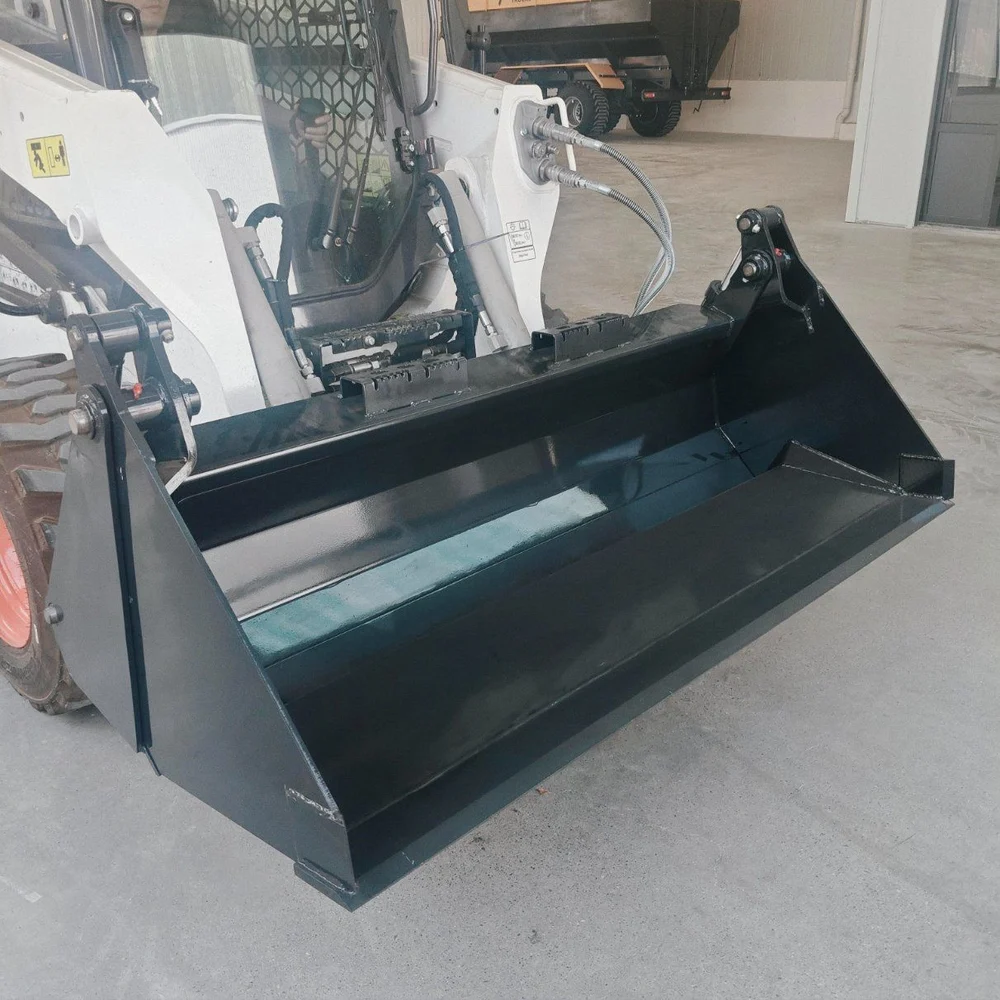
Landscape projects often include moving soil, separating stones and finishing grades as well as drilling. A small screening bucket can be considered where material needs separating; a tilting bucket or four-in-one bucket may suit other parts of the job.
Describe each task separately and name the machine that will perform it. An excavator mount and a skid steer mounting plate are different configurations, even when two attachments serve a similar purpose.
Send one project brief
Combine the hole schedule, ground information and machine details in one enquiry. We can use that brief to structure a quote by drive, mounting, drill tools, extensions and spares, with the finishing attachments listed separately.
- Required hole diameters, depths and quantity.
- Ground description and available site photographs.
- Machine model, mounting and auxiliary flow/pressure.
- Available lift height, auger length and extension needs.
- Delivery location and the items you want quoted together.