
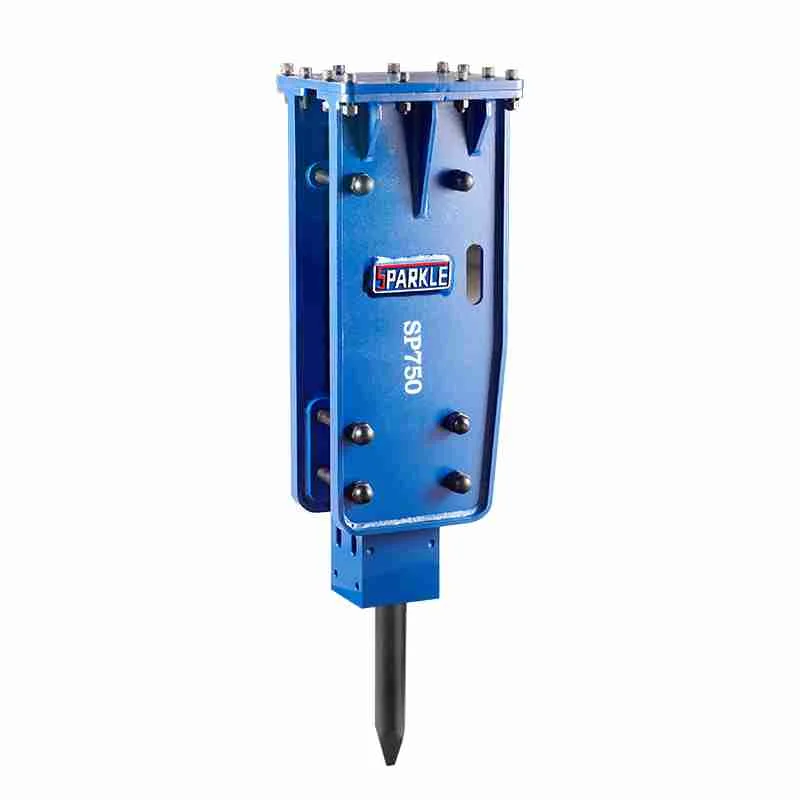
Excavator Hydraulic Breakers
Sparkle SP750 Top-Type Hydraulic Breaker — 75 mm Tool
409 kg, 75 mm tool and 50–90 L/min for 6–9 tonne excavators.
75 mm tool · 50–90 L/min
Attachments
Compare hydraulic hammers, buckets, quick hitches, timber grabs and drilling or material-processing tools by the machine and the work.
39 products
409 kg, 75 mm tool and 50–90 L/min for 6–9 tonne excavators.
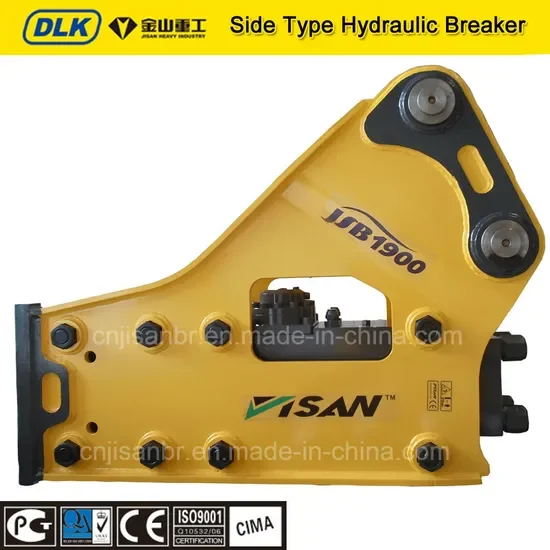
140 mm tool, 130–170 L/min oil flow and 1, 898 kg working weight in the JSB1900S side-type configuration.
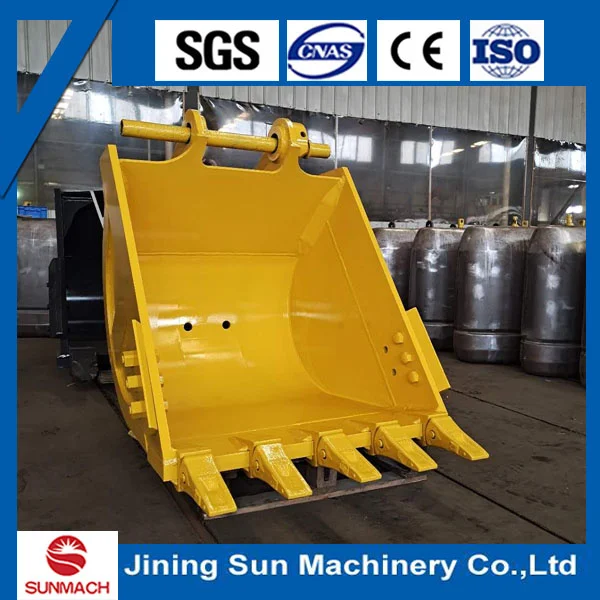
0.8 m³ toothed rock bucket for Komatsu PC200 excavation and abrasive material handling.
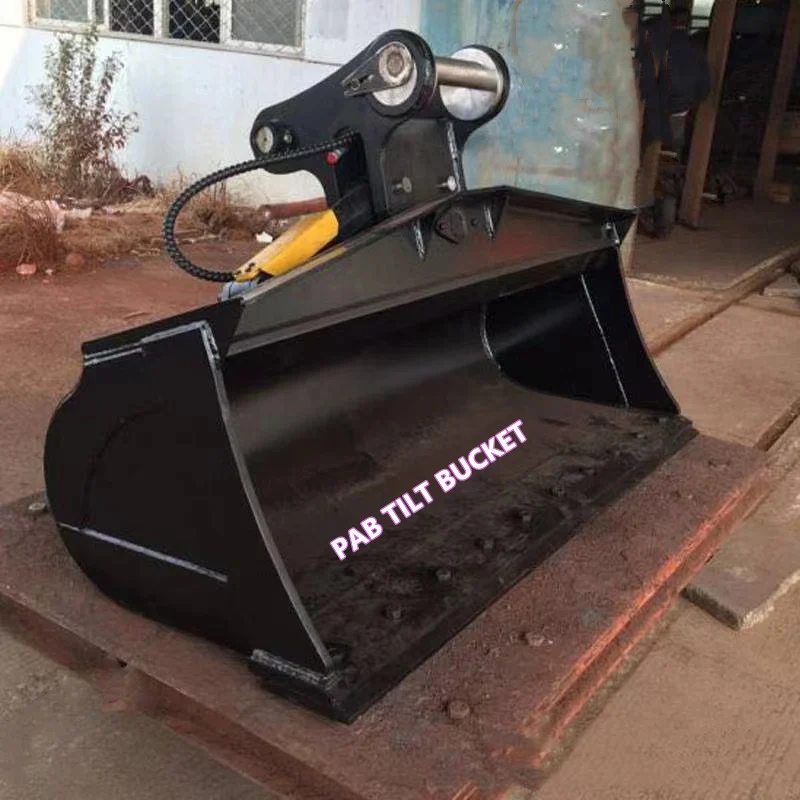
1200 mm wide, 0.3 m³, 45 mm pins and 45° tilt to each side for slope finishing.
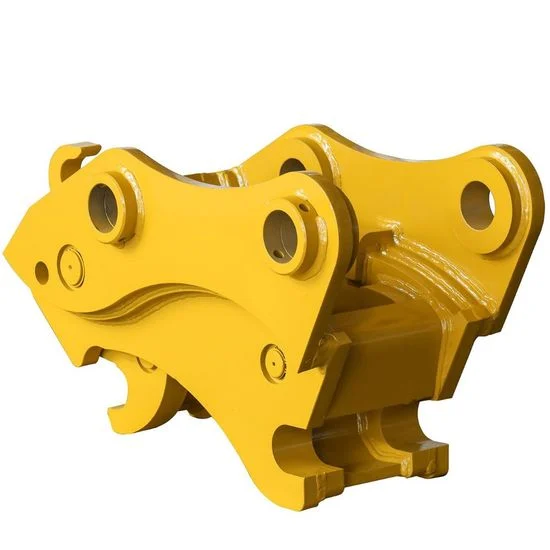
P-type quick hitch: 380–420 mm pin centres, 232–315 mm arm width and 220–250 kg weight.
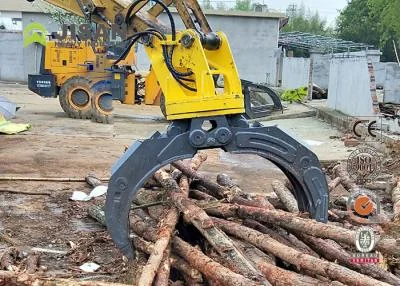
20 tonne class, 1500 mm jaw opening, two cylinders and 100–140 L/min oil flow.
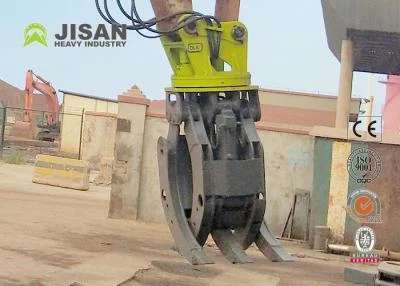
36 tonne class, 360° continuous rotation, 1800 mm opening and 2100 kg attachment weight.
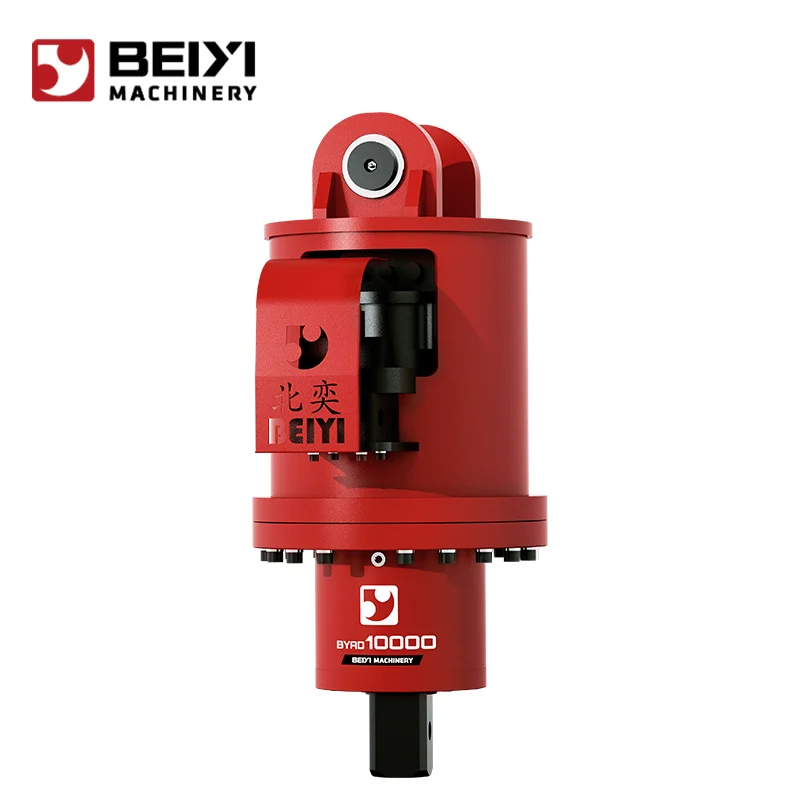
2–6 tonne excavators, 1094–4117 Nm torque and 25–92 L/min flow.
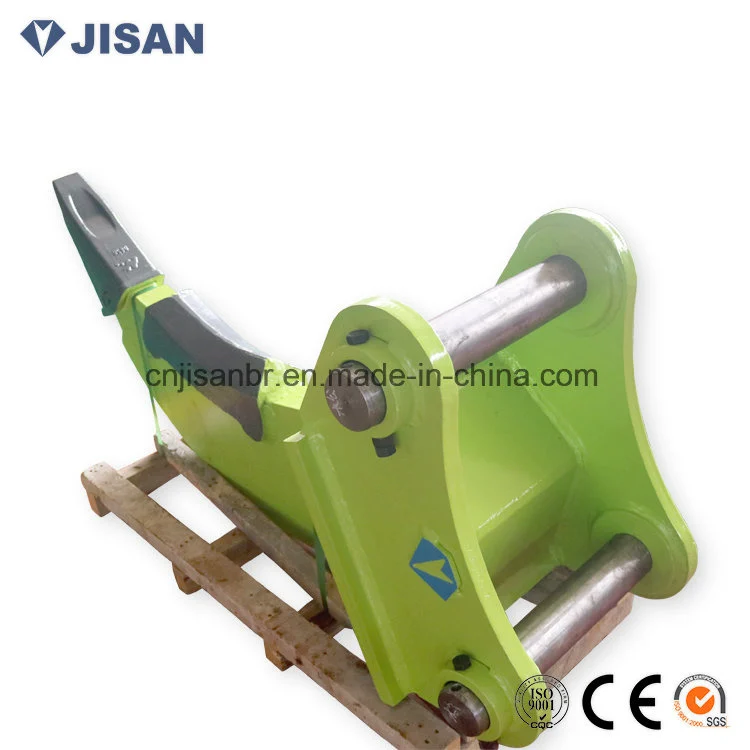
Machine-specific mechanical ripper with a replaceable tooth for Volvo EC290 ground opening.
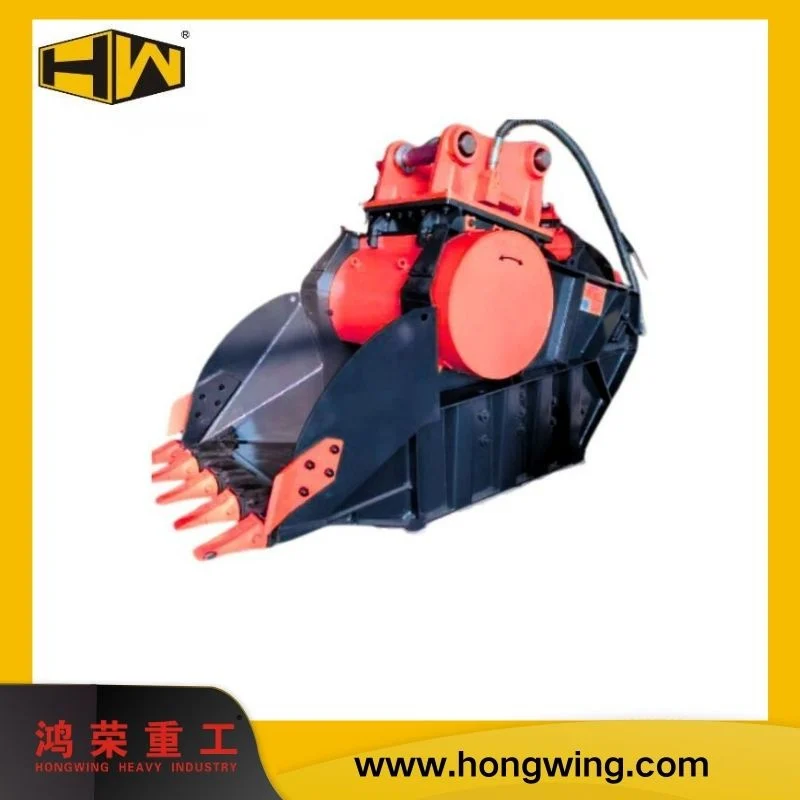
1394 kg hydraulic jaw-crushing attachment for on-site rock and concrete processing.
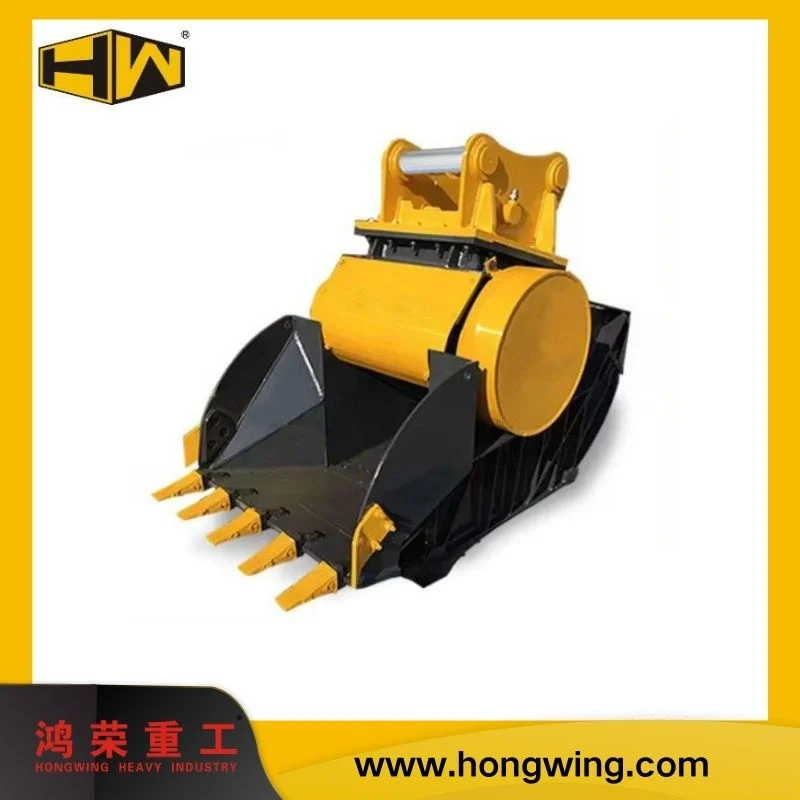
900 × 520 mm feed specification, 12–120 mm discharge adjustment and 3500 kg weight.
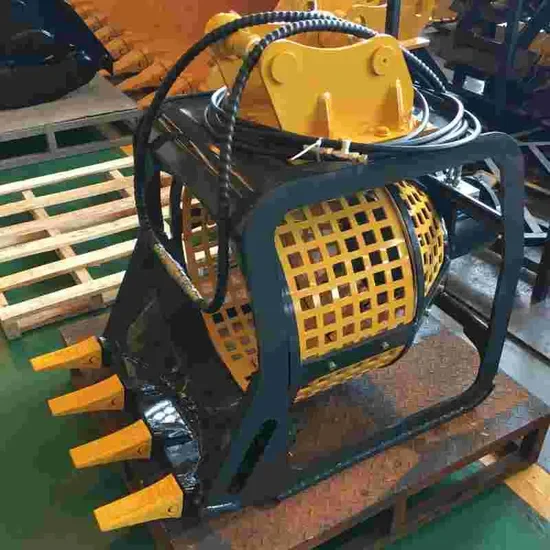
245 kg, 610 mm drum and 30 L/min flow for compact soil-and-stone separation.
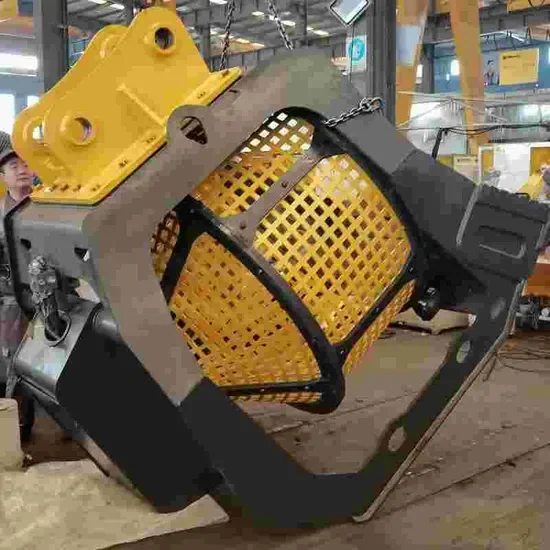
1020 kg, 1000 mm interchangeable drum and 80 L/min hydraulic flow.
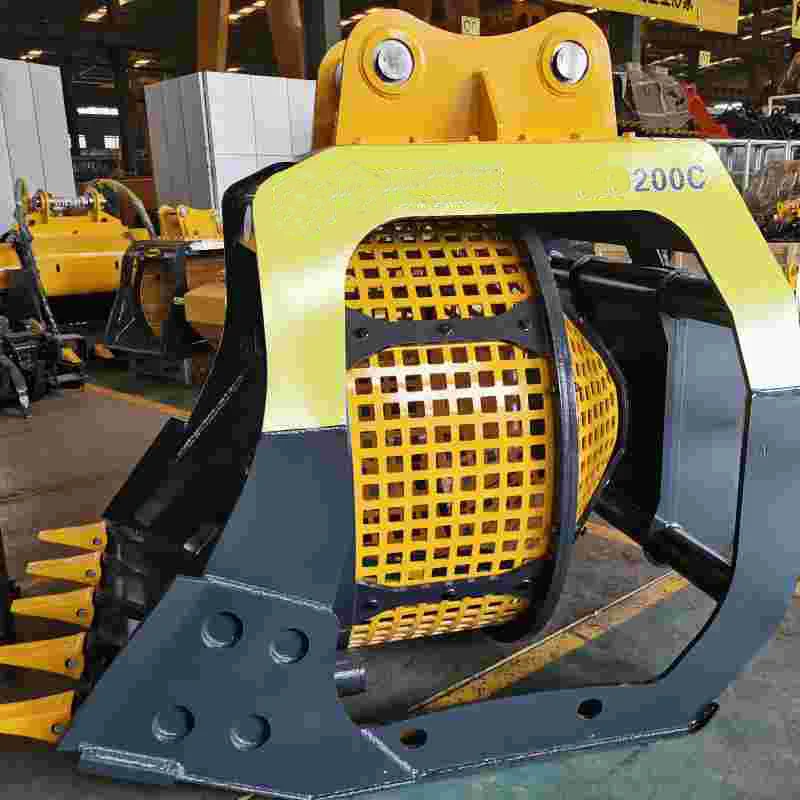
1350 mm drum, 1920 kg attachment and 110 L/min flow for larger soil-and-stone handling.
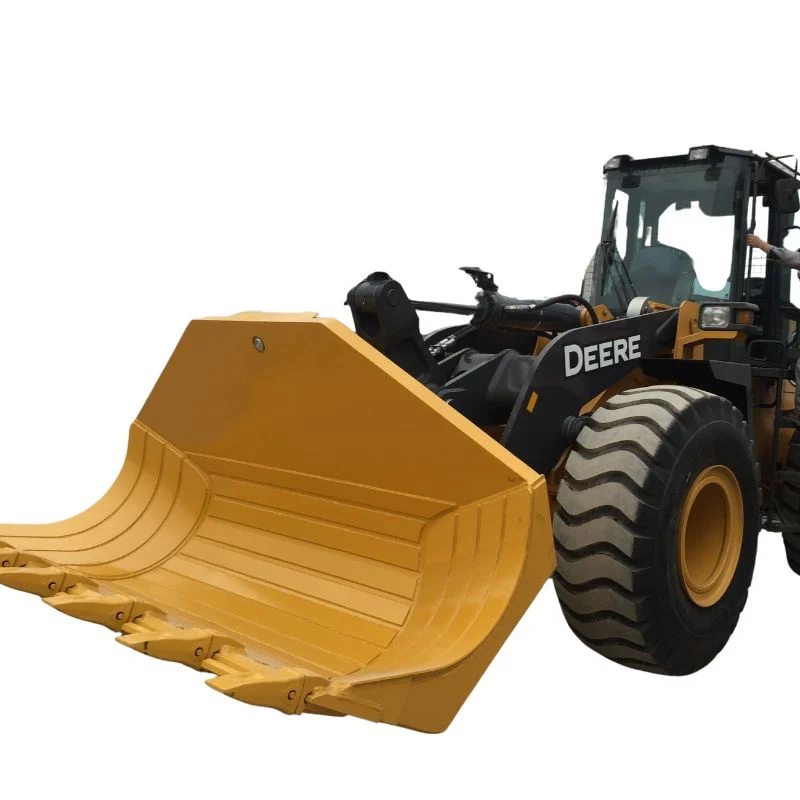
2380 mm wide, 1350 kg side-discharge bucket for the 4 tonne wheel-loader class.
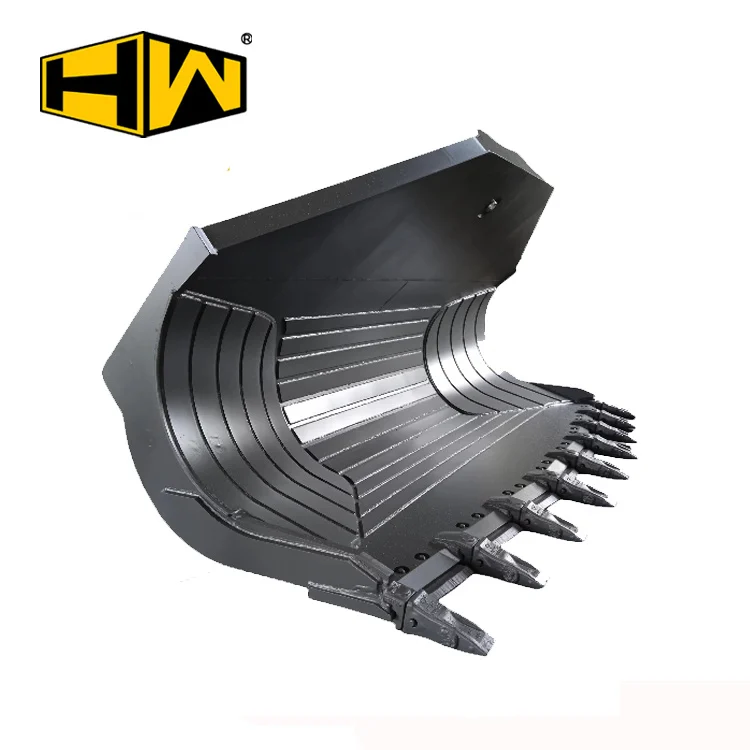
2600 mm wide, 1890 kg bucket with 45° side-dump specification for the 5 tonne loader class.
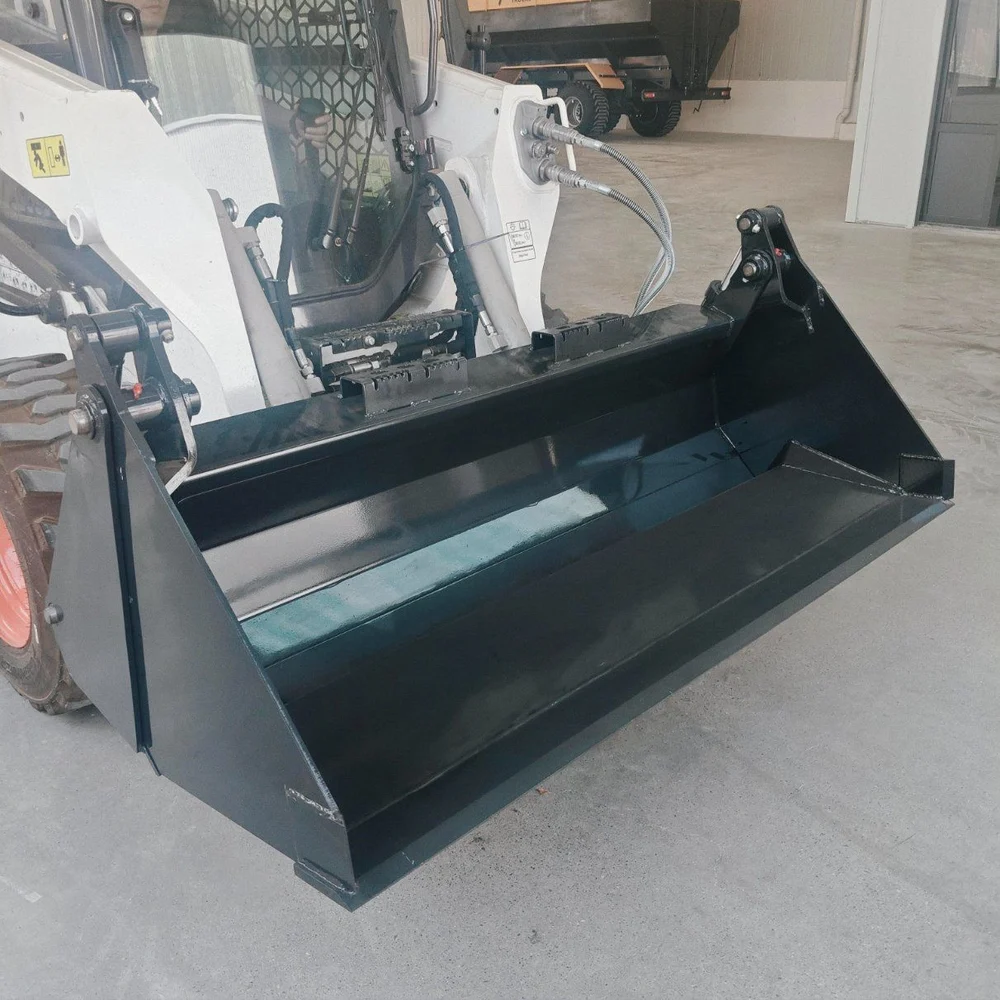
Hydraulic combination bucket for loading, levelling, grabbing and unloading with a skid steer.
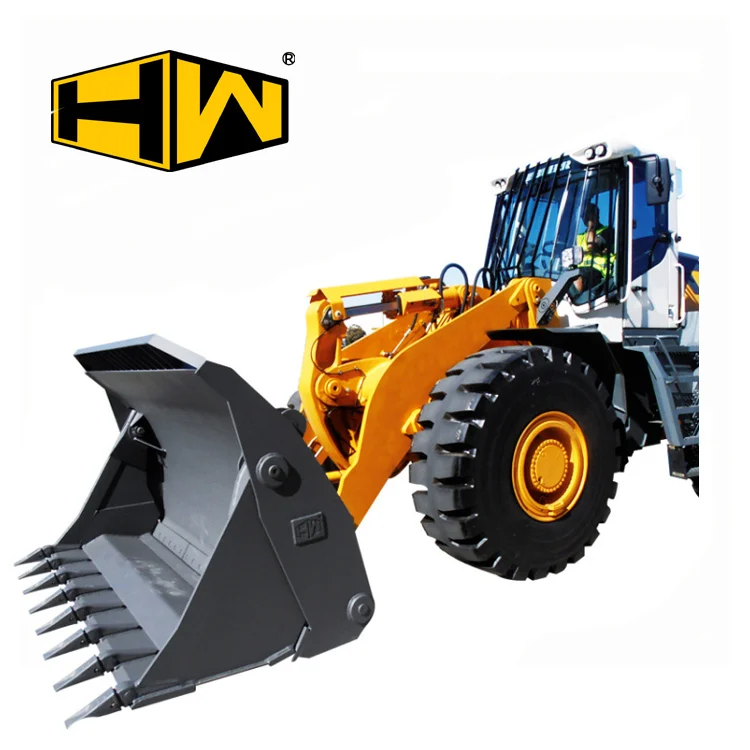
2000 mm wide, 800 kg combination bucket with two opening cylinders for the 2 tonne loader class.
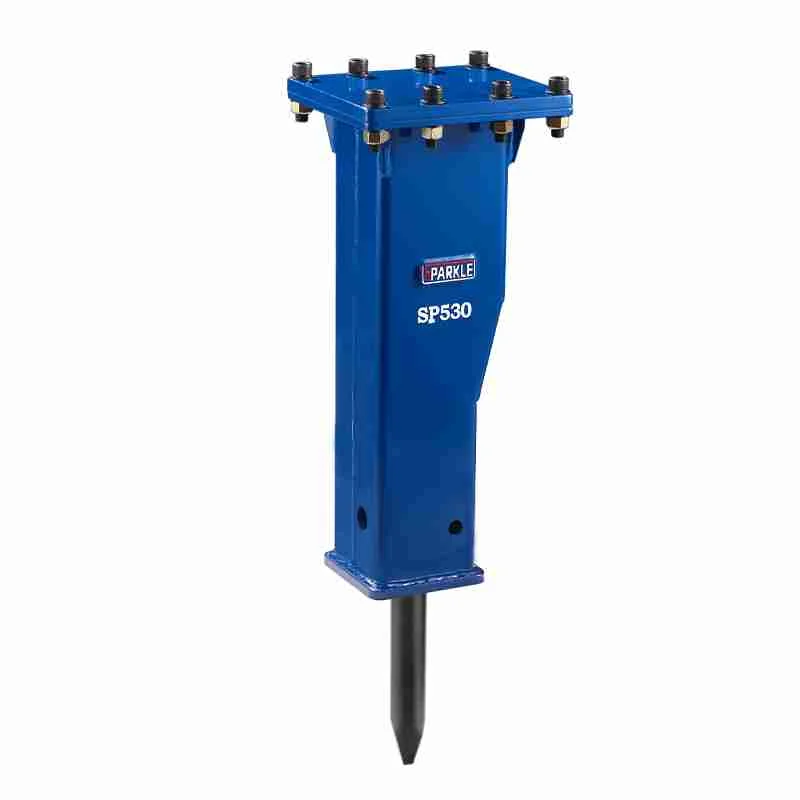
155 kg silent breaker, 53 mm tool and 25–50 L/min for 2.5–4.5 t carriers.
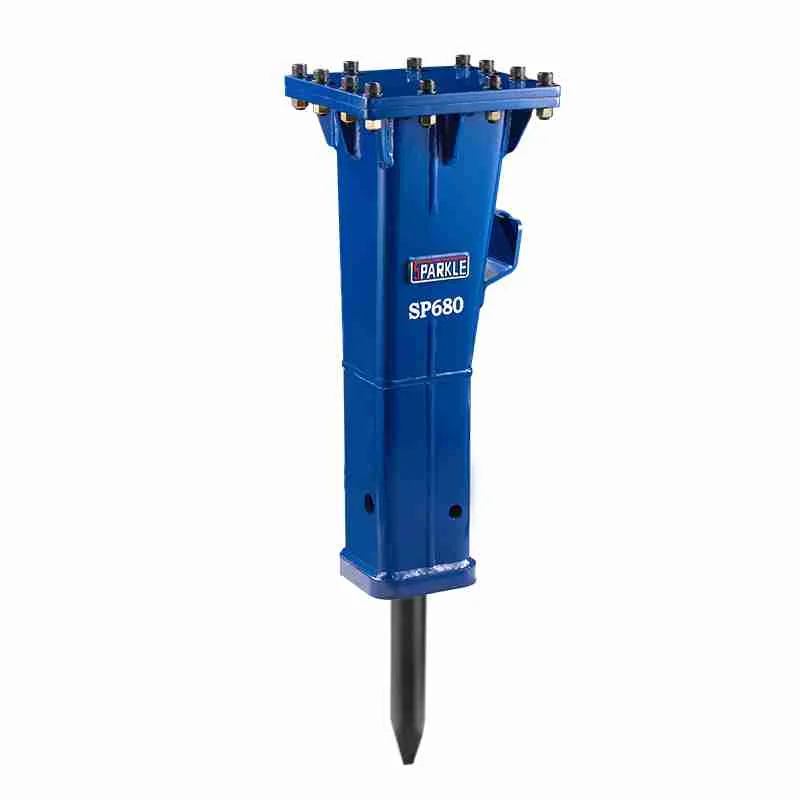
361 kg silent breaker, 68 mm tool and 40–70 L/min for 4–7 t carriers.
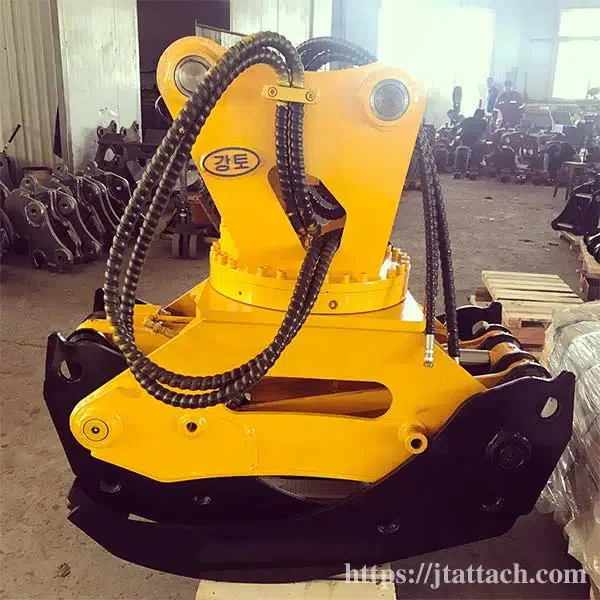
4–6 tonne rotating grab with 1322 mm opening, 407 mm jaw width and separate grip/rotation circuits.
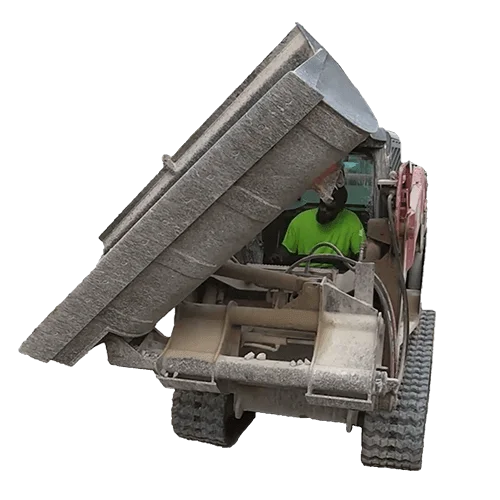
0.60 yd³ / 0.459 m³ skid-steer side-dump bucket; 567 kg; left- or right-discharge build.
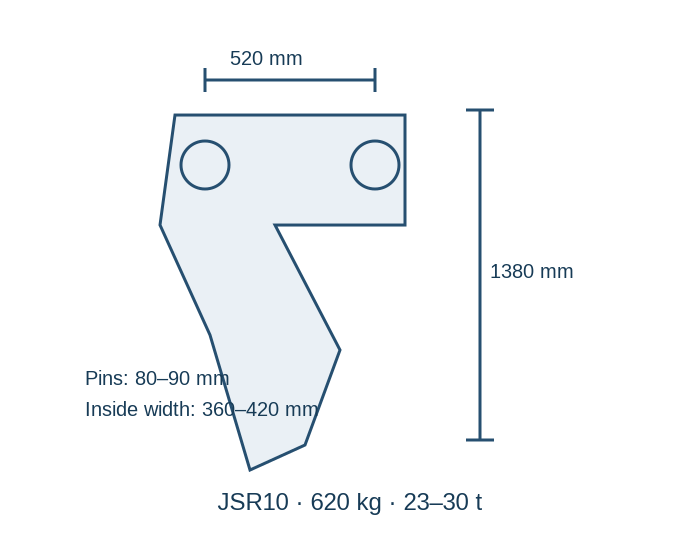
23–30 tonne single-shank series: 620 kg, 520 mm pin centres and 80–90 mm pin range.
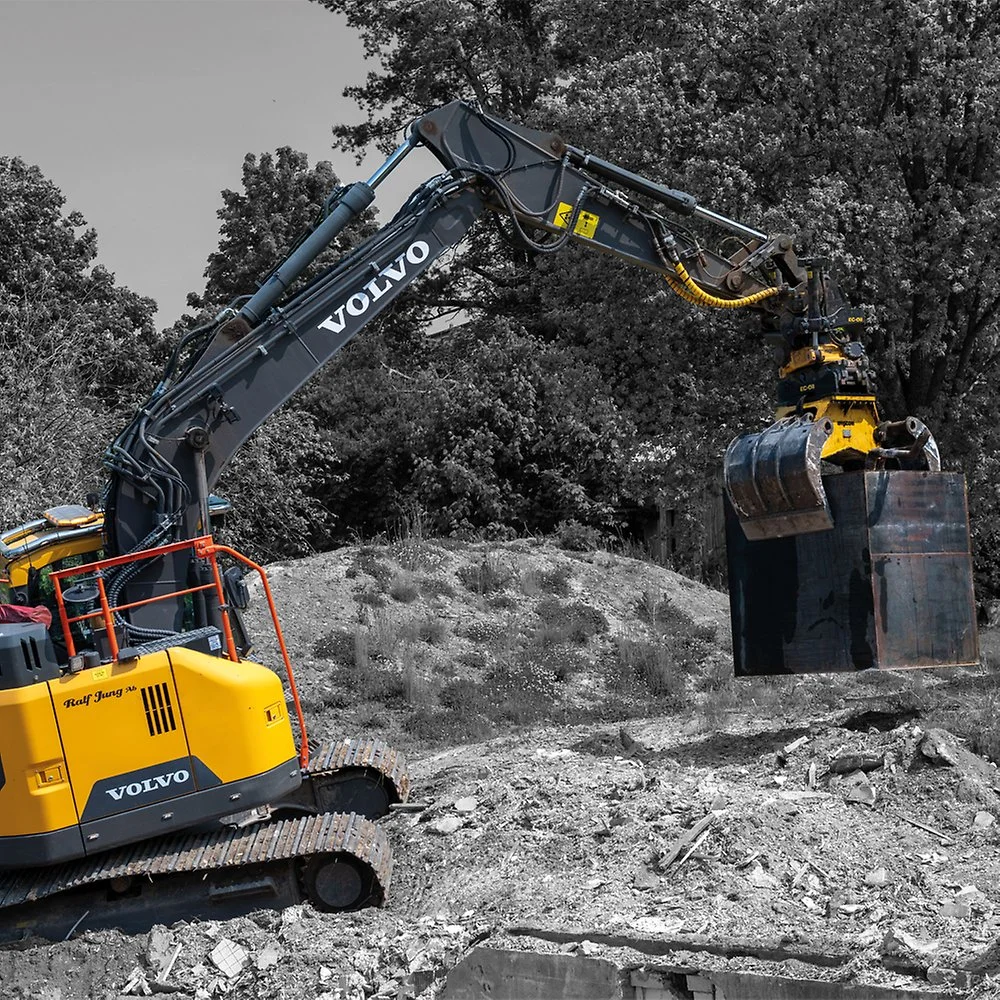
EC219 Series 2 serves 14–19 tonne excavators with 45° tilt each way, continuous rotation and a standard S60 lower hitch.
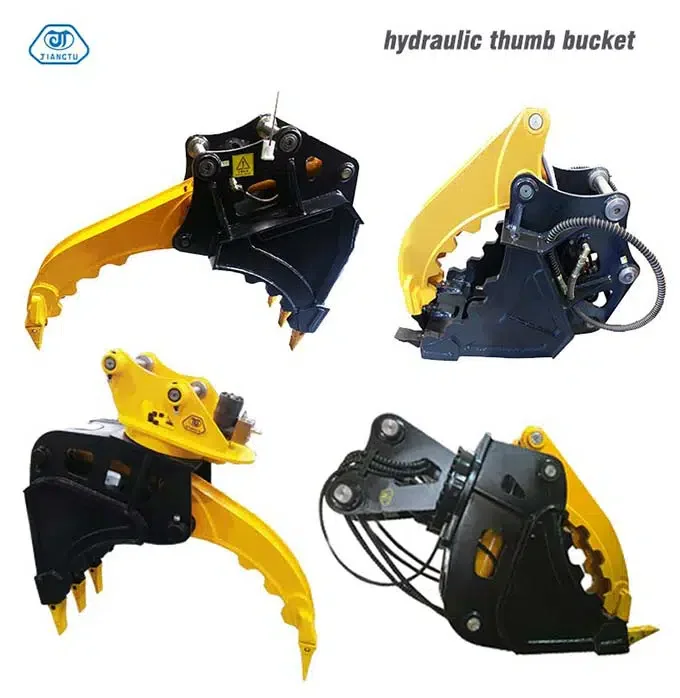
JT01 is a complete hydraulic thumb-bucket assembly with 350/400 mm bucket-width choices, a 900 mm opening and 156 kg weight.
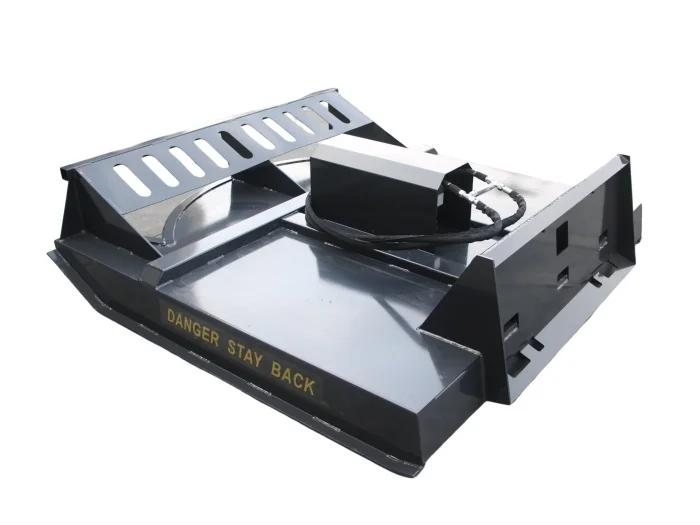
A 776 lb rotary cutter with a 72 inch deck, 66 inch swath, two blades and 14–20 US gpm hydraulic requirement.
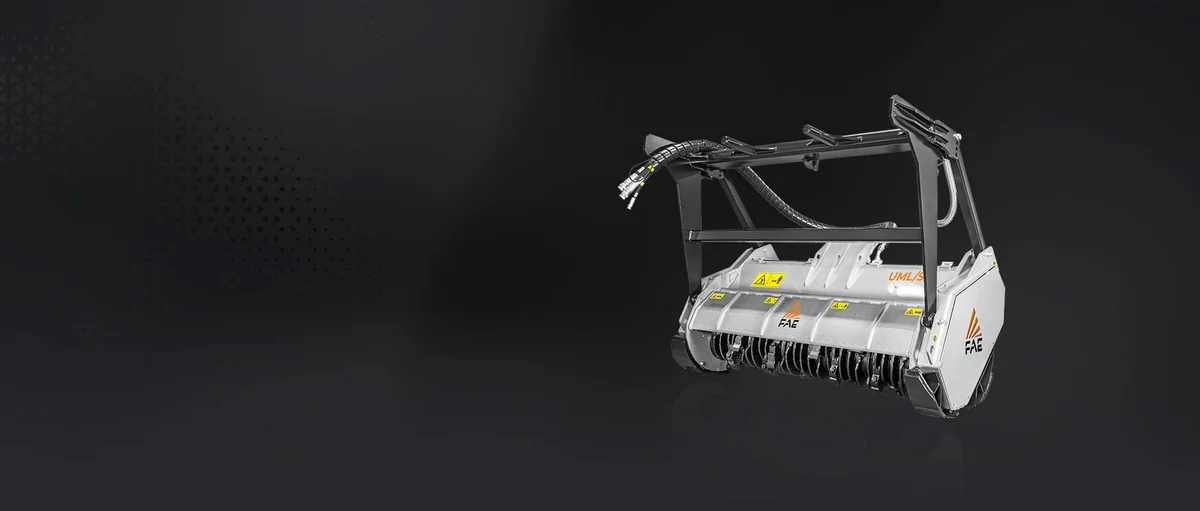
A high-flow skid-steer mulcher with 1582 mm working width, 1300 kg weight and a 425 mm rotor.
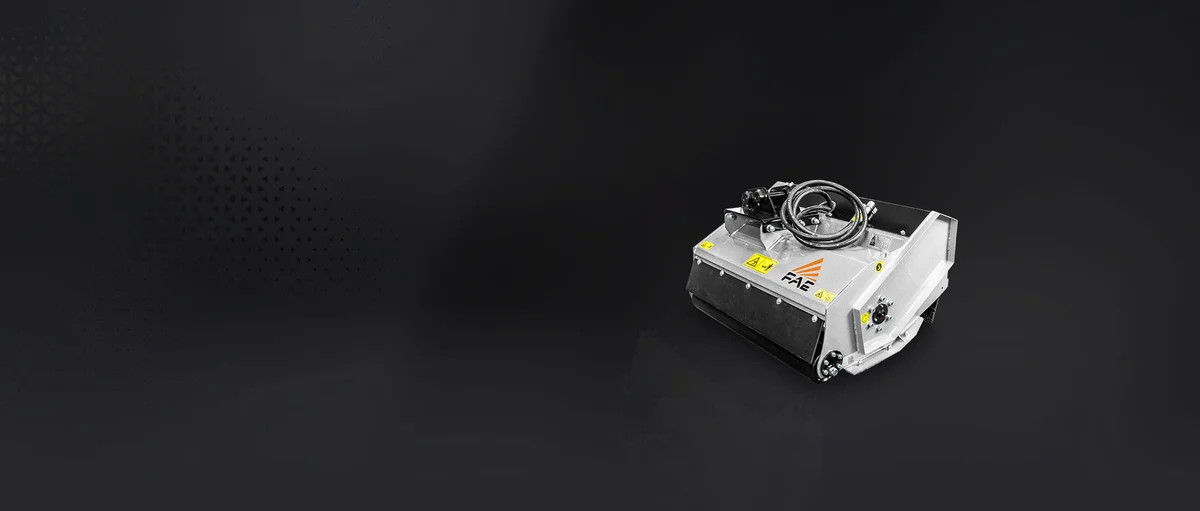
A 195 kg head for 2–3.5 tonne excavators, with 700 mm working width and ten hammer/flail positions.
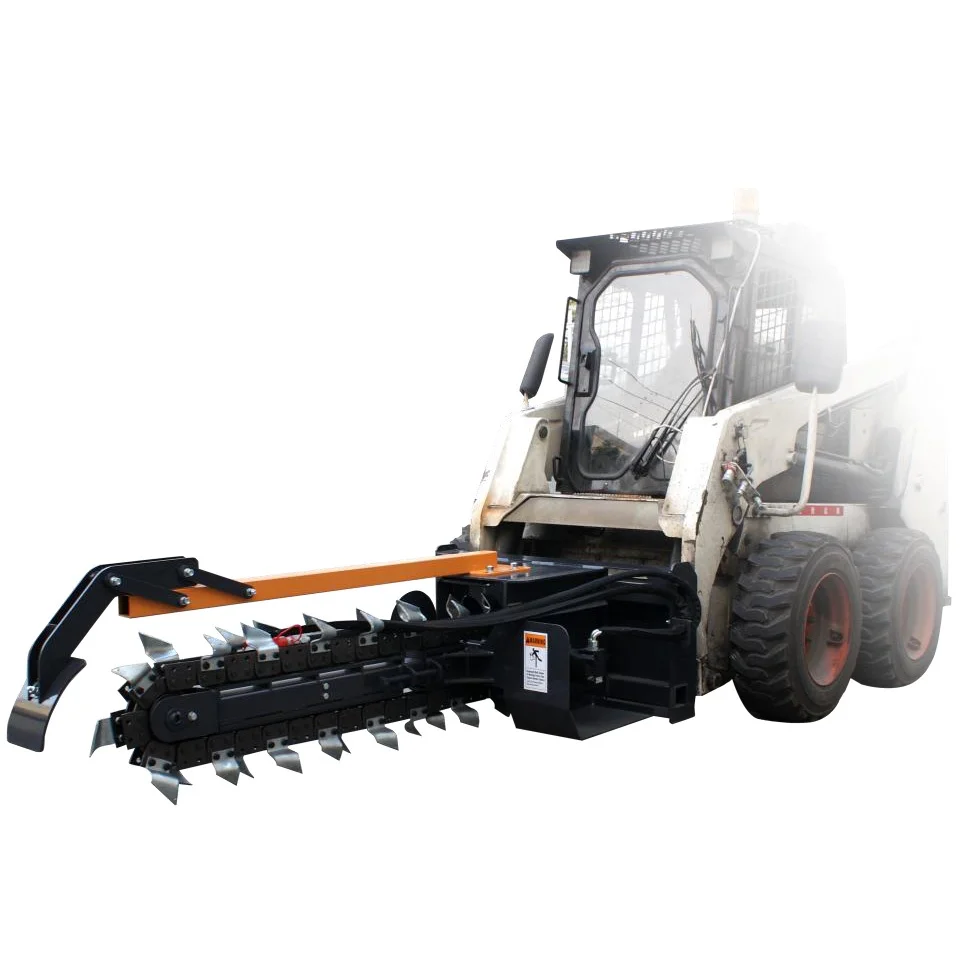
The 84-inch table configuration has a 200 mm trench width, 1200 mm maximum depth, 400 mm spoil auger and 404 kg attachment weight.
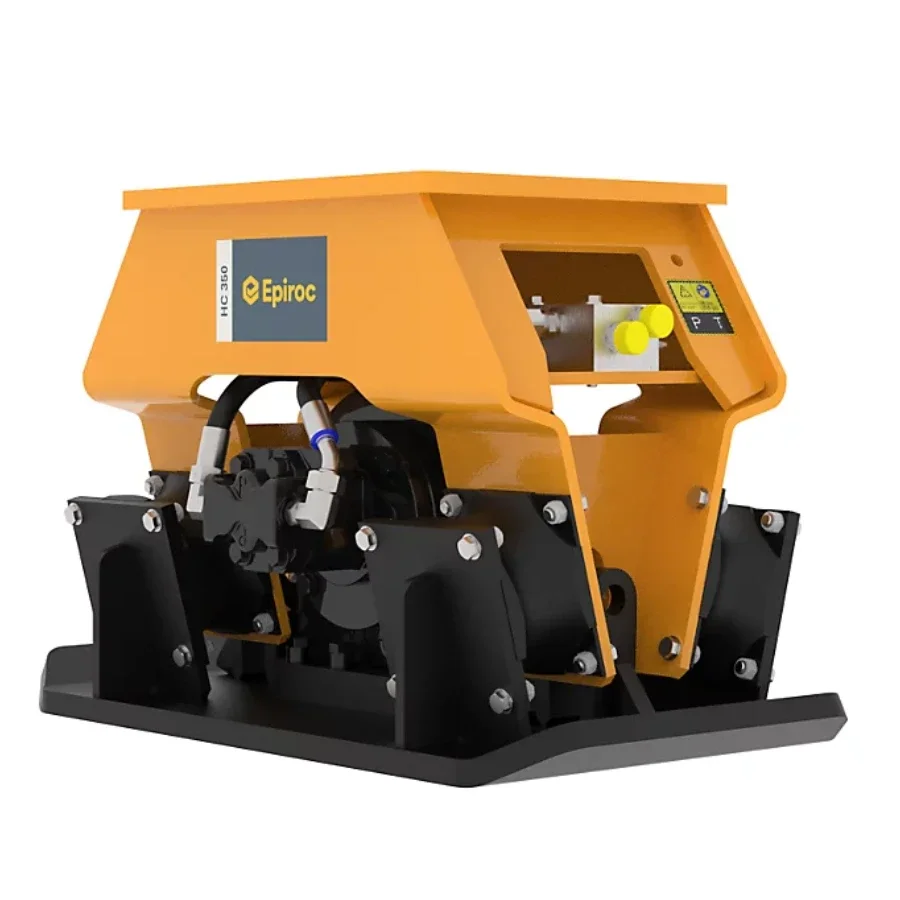
HC350 is a non-rotating compactor for 3–8 tonne carriers, with a 475 × 846 mm plate, 330 kg service weight, 23 kN centrifugal force and 57 L/min oil-flow requirement.
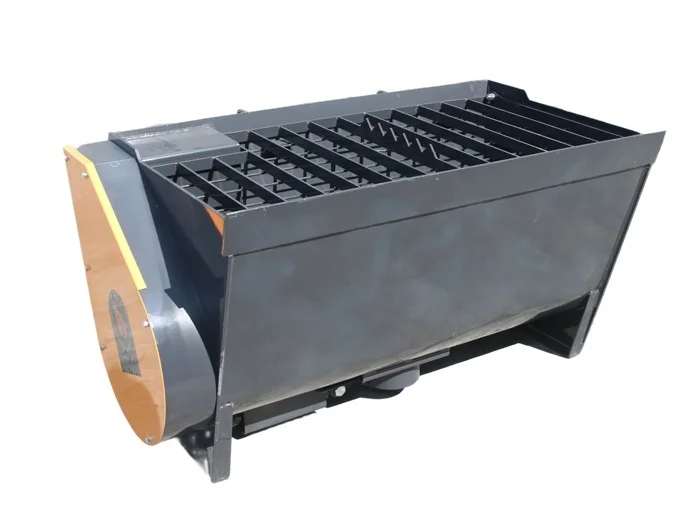
A 670 lb mixer attachment with a 0.27 m³ hopper, 400 mm auger and 45 rpm mixing specification.
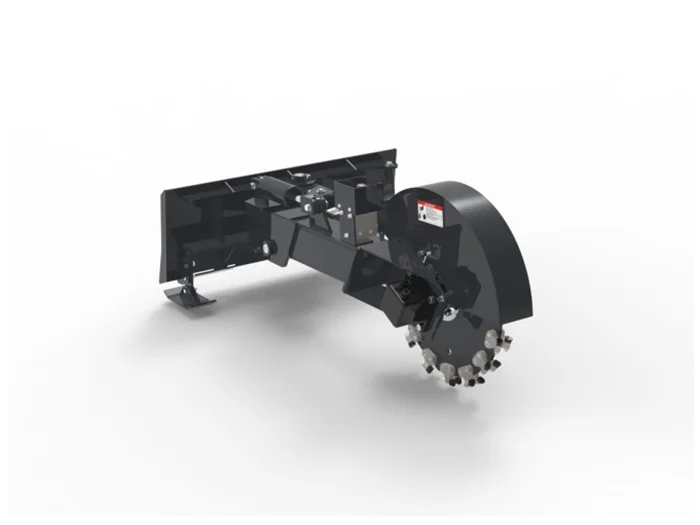
A 608 lb grinder with a 25 inch wheel, 32 carbide teeth, 55 inch swing arc and 8 inch below-ground depth.
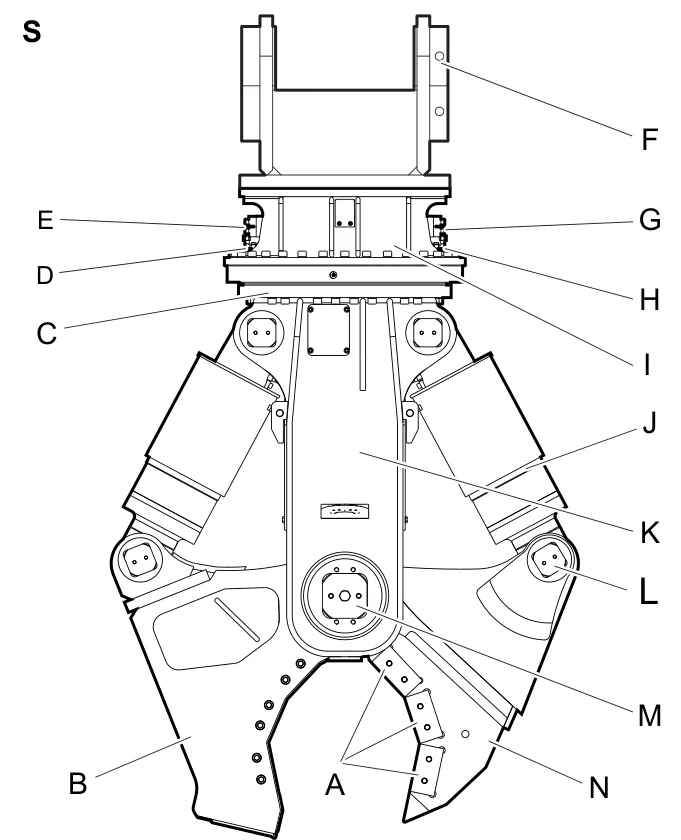
The CC 2300 S steel configuration has a 415 mm opening, 485 mm jaw depth and 380 mm blades.
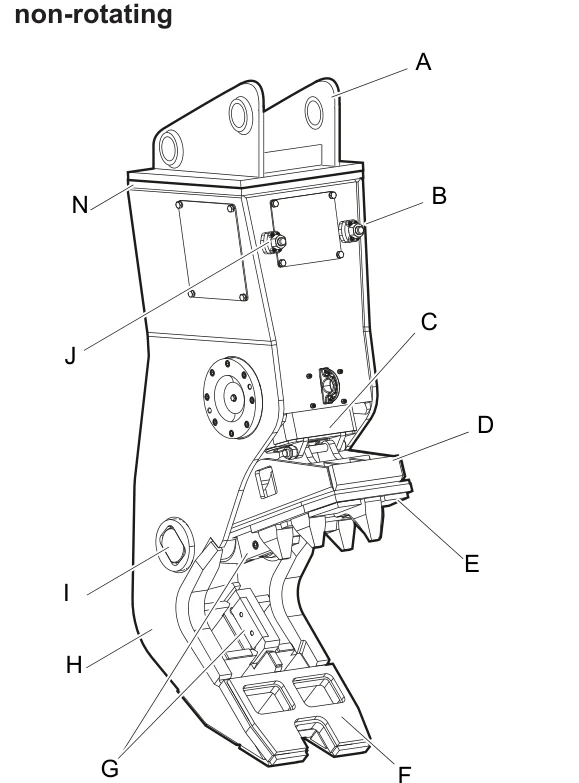
A 2090 kg non-rotating bulk pulverizer for 18–27 tonne excavators, with 875 mm opening, 610 mm jaw depth and 190 mm blades.
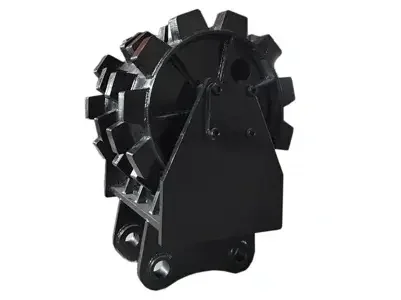
A 640 kg mechanical wheel for 10–15 tonne excavators, with 840 mm wheel diameter, 400 mm working width and 24 pads.
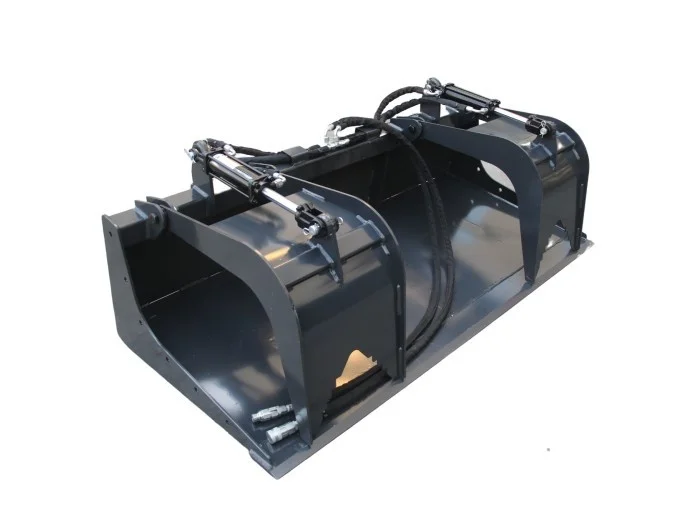
A 511 lb closed grapple bucket with 72 inch overall width, 44 inch maximum opening and a 2 inch bore/6 inch stroke jaw cylinder configuration.
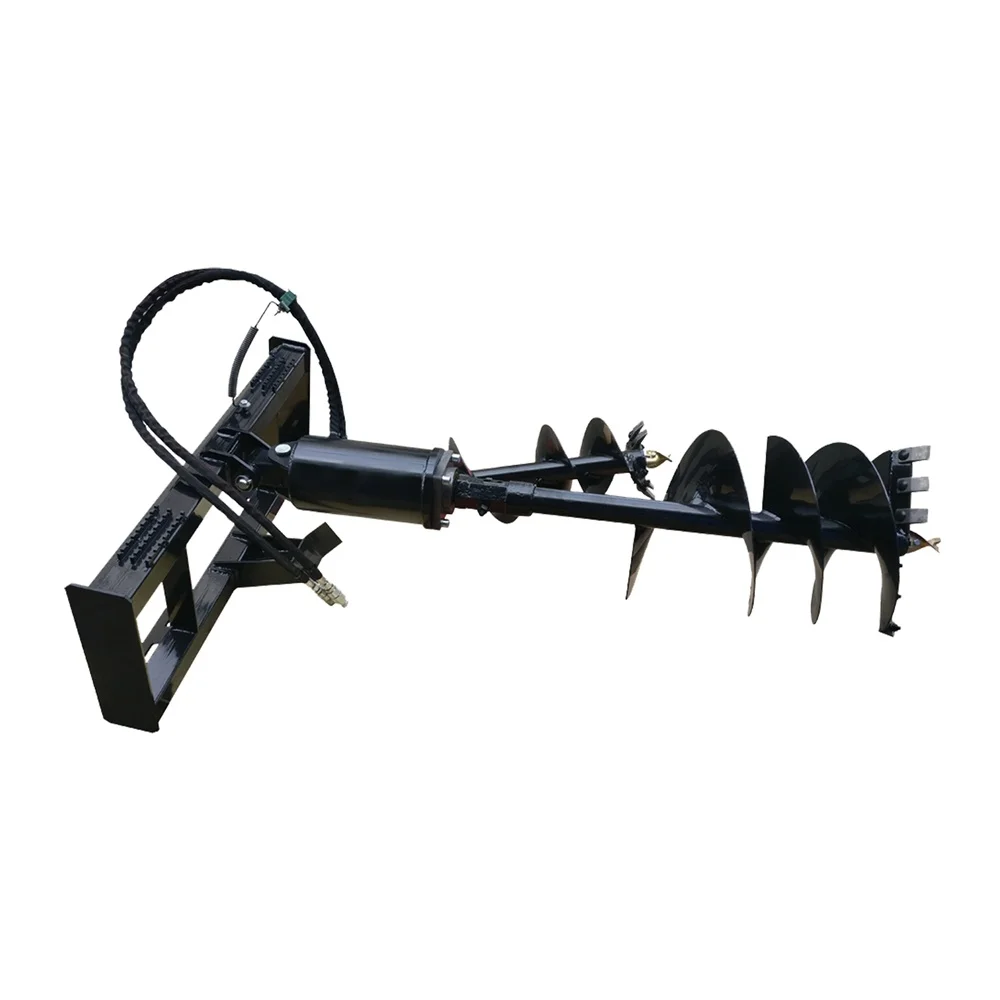
Skid-steer mounted drive, 12- and 18-inch bits, 2.56-inch round output and 8–20 US gpm circuit.
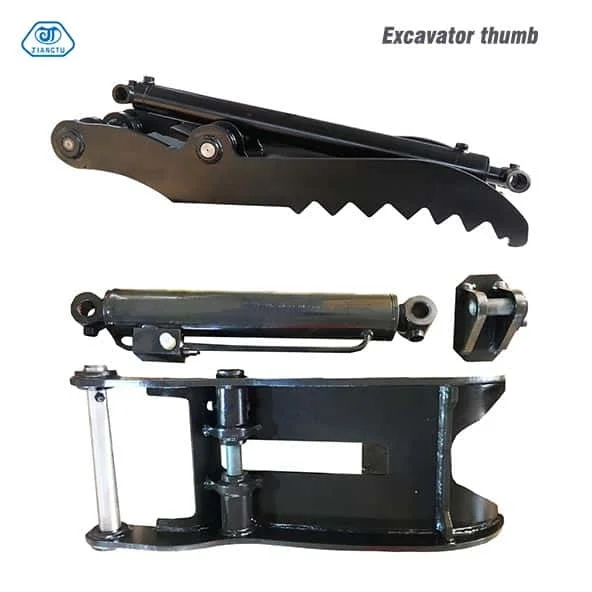
JT02 is a standalone hydraulic thumb for 4–6 tonne excavators, with a 150 kg attachment weight.
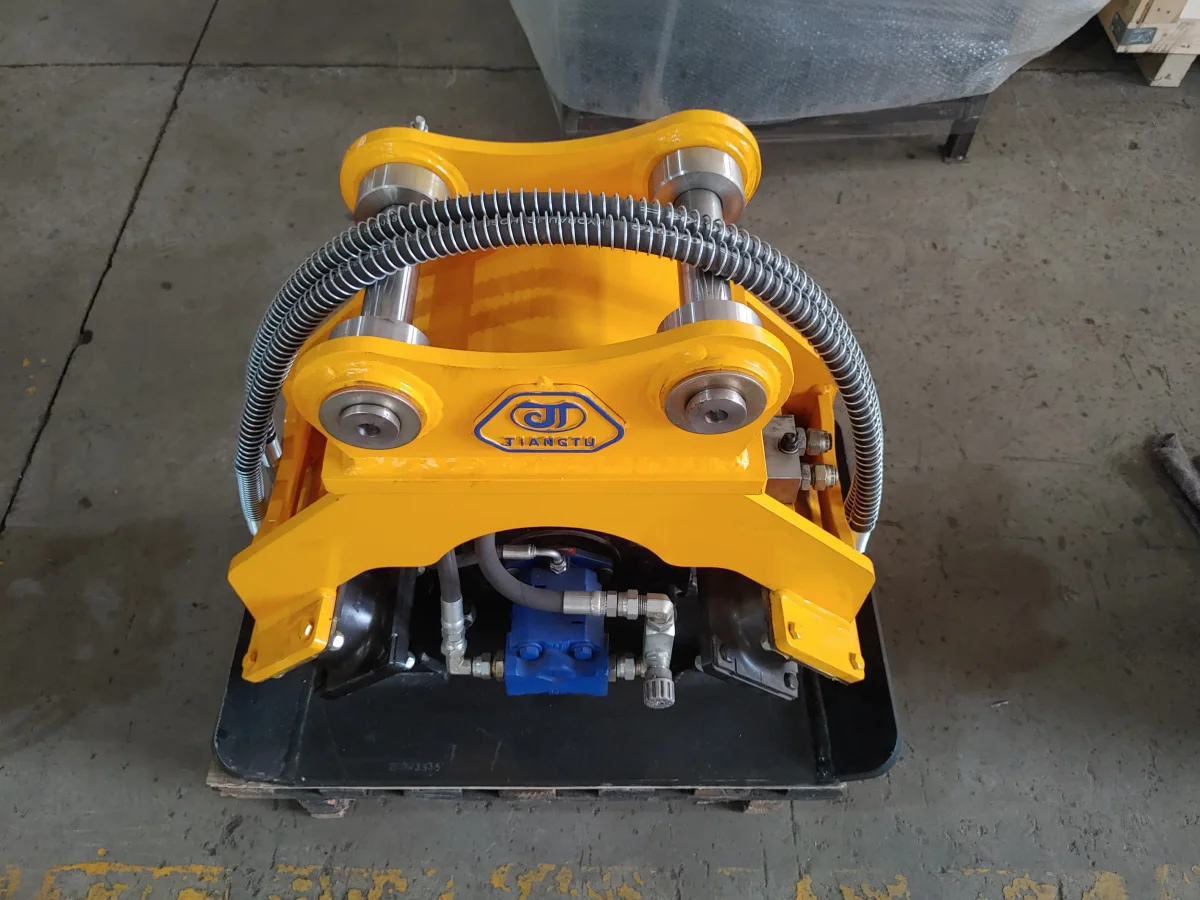
JT-mini is a 200 kg excavator plate compactor for 2–4 tonne carriers, with an 800 × 442 mm bottom plate.
Send the part number or describe the equipment you need.
Send a sourcing requestBucket breakout force acts through the excavator’s linkage. A toothed edge concentrates penetration at the teeth; a wider cutting edge engages more material. Capacity describes the volume in each fill, while material density and bucket mass affect the lifted load.
The PC200 0.8 m³ rock-bucket purchase includes its selected teeth and wear structure. The TB50 finishing bucket has a 1200 mm edge, 0.3 m³ capacity and 45° tilt in each direction. Compare the digging or finishing task with the bucket geometry and mounting dimensions.
Overhead shovel loaders and side-dump loaders were developed for the same problem: moving material where the machine has no room to turn. An overhead or rocker shovel loads in front and throws the load backwards over itself into a car or conveyor; it is used mainly in tunnels and underground workings. A side-dump loader tips its bucket sideways, so it can fill a truck, trench or bin alongside it while facing the work.
Those dedicated machines are not part of this range, but the side-discharge principle is available as an attachment for standard wheel loaders and skid steers. A side-dump bucket uses its own cylinders to tip the bucket body to one side, so the loader can backfill a trench, fill a hopper or load along a narrow road while travelling parallel to it.
| Model | Carrier | Capacity | Width or weight |
|---|---|---|---|
| MAXX 5643D1 | Skid steer | 0.60 yd³ (0.459 m³) | 567 kg; left- or right-discharge build |
| HWSD879 | 4 t wheel-loader class | 1.2 m³ | 2,380 mm wide; 1,350 kg |
| HWSD9869 | 5 t wheel-loader class | 1.5 m³ | 2,600 mm wide; 1,890 kg; 45° side dump |
Decide the discharge side before ordering. A fixed one-side build must suit the direction the loader will normally travel along the trench or road.
On a loader, breakout force is the upward force available at the bucket edge, produced either by the tilt cylinders curling the bucket or by the lift arms raising it. Manufacturers publish it for the standard bucket. Any attachment that is heavier, wider or longer than that bucket changes the force actually available.
Compare the attachment weight and capacity with the loader’s published operating capacity, not only its breakout figure. The 4-in-1 bucket range lists weights alongside capacity for that reason.
It is the force the machine can apply at the bucket edge to break material out of a face or pile. On an excavator it comes from the bucket or arm cylinder acting through the linkage; on a loader from the tilt or lift cylinders. Teeth concentrate that force at a few points, which is why toothed buckets penetrate better.
The machine’s cylinders produce the same force, but a wider edge spreads it over more contact, and a heavier, larger bucket moves the load further from the pivot. The practical result is less penetration and a lower payload for dense material. Match the bucket width and capacity to the material, not only to the machine.
It tips its load to the side instead of the front. That suits trench backfilling, loading along narrow roads, tunnels and yards, filling hoppers and working beside walls, where a loader cannot turn to face the target. It needs a hydraulic circuit for the dump cylinders.
Breakers, augers, grapples, thumbs, tilt and screening buckets, crusher buckets, compactors and cutting heads all need hydraulic supply from the machine. Rippers, standard buckets and compaction wheels are mechanical. Check each product page for the flow and circuit type before ordering.
An attachment order can include the mounting, hydraulic connections and working tools. A parts order can combine several numbers, kits and quantities. Add items to one inquiry, then include your machine and delivery destination.
Send your machine model, required quantity and destination. Add installation items, wear parts and service quantities to the same inquiry.